What are India’s Key Initiatives Supporting Tribal Development? - UPSC History
What is What are India’s Key Initiatives Supporting Tribal Development? in UPSC History?
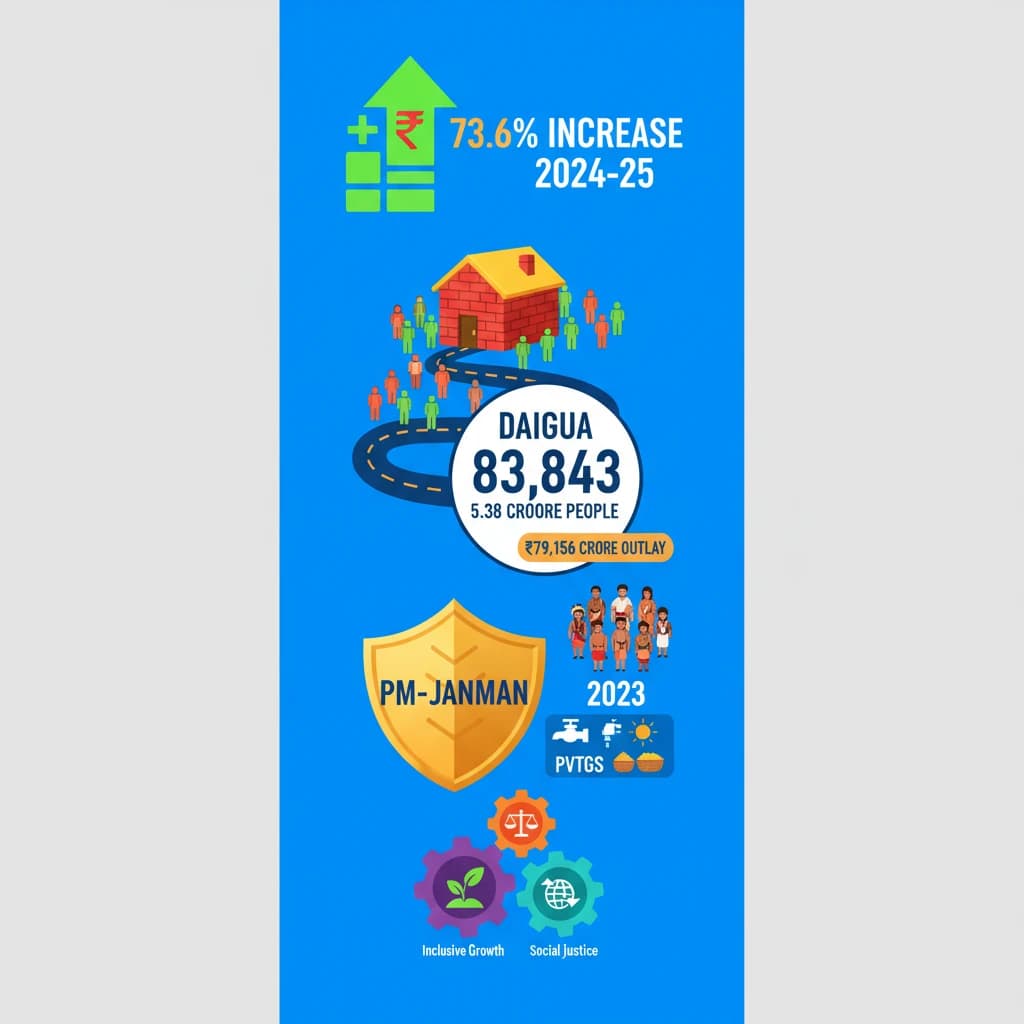
What are India’s Key Initiatives Supporting Tribal Development? is a key topic under History for UPSC Civil Services Examination. Key points include: India allocates significant funds for tribal development, with a 73.6% increase in 2024-25 budget for Ministry of Tribal Affairs.. DAIGUA initiative targets social infrastructure gaps in 83,843 tribal villages with Rs 79,156 crore outlay, benefiting over 5.38 crore people.. PM-JANMAN (2023) is a specialized mission for Particularly Vulnerable Tribal Groups (PVTGs), focusing on basic amenities and livelihoods.. Understanding this topic is essential for both UPSC Prelims and Mains preparation.
Why is What are India’s Key Initiatives Supporting Tribal Development? important for UPSC exam?
What are India’s Key Initiatives Supporting Tribal Development? is a Medium-level topic in UPSC History. It is tested in both Prelims (factual MCQs) and Mains (analytical answer writing). Previous year UPSC questions have frequently covered aspects of What are India’s Key Initiatives Supporting Tribal Development?, making it essential for comprehensive IAS preparation.
How to prepare What are India’s Key Initiatives Supporting Tribal Development? for UPSC?
To prepare What are India’s Key Initiatives Supporting Tribal Development? for UPSC: (1) Study the comprehensive notes covering all key concepts on Vaidra. (2) Practice previous year questions on this topic. (3) Connect it with current affairs using daily updates. (4) Revise using key takeaways and mind maps available for History. (5) Write practice answers linking What are India’s Key Initiatives Supporting Tribal Development? to related GS Paper topics.
Key takeaways of What are India’s Key Initiatives Supporting Tribal Development? for UPSC
- India allocates significant funds for tribal development, with a 73.6% increase in 2024-25 budget for Ministry of Tribal Affairs.
- DAIGUA initiative targets social infrastructure gaps in 83,843 tribal villages with Rs 79,156 crore outlay, benefiting over 5.38 crore people.
- PM-JANMAN (2023) is a specialized mission for Particularly Vulnerable Tribal Groups (PVTGs), focusing on basic amenities and livelihoods.
- These initiatives are crucial for inclusive growth, social justice, and achieving Sustainable Development Goals for tribal communities.
- Constitutional safeguards (Fifth/Sixth Schedules, PESA Act) form the historical backbone of tribal welfare policies.
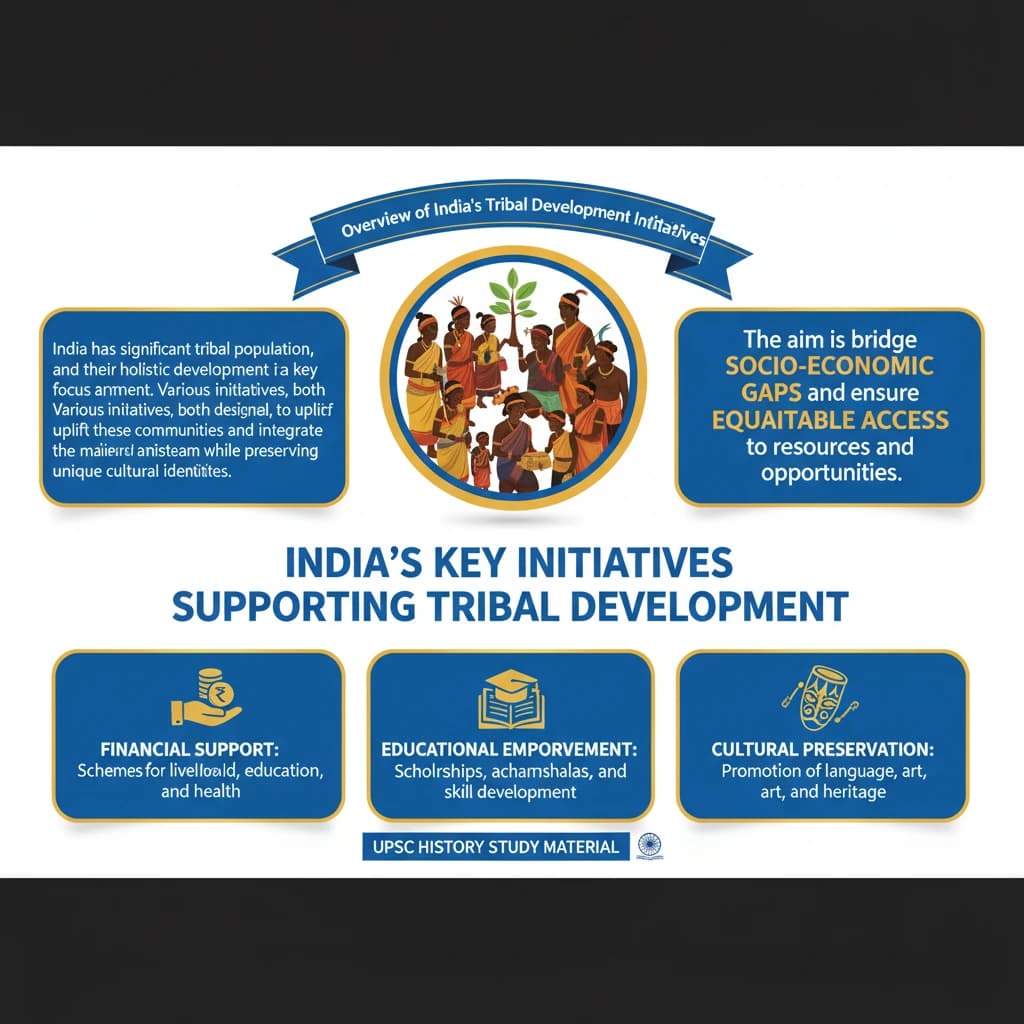
What are India’s Key Initiatives Supporting Tribal Development?
📖 Introduction
💡 Key Takeaways
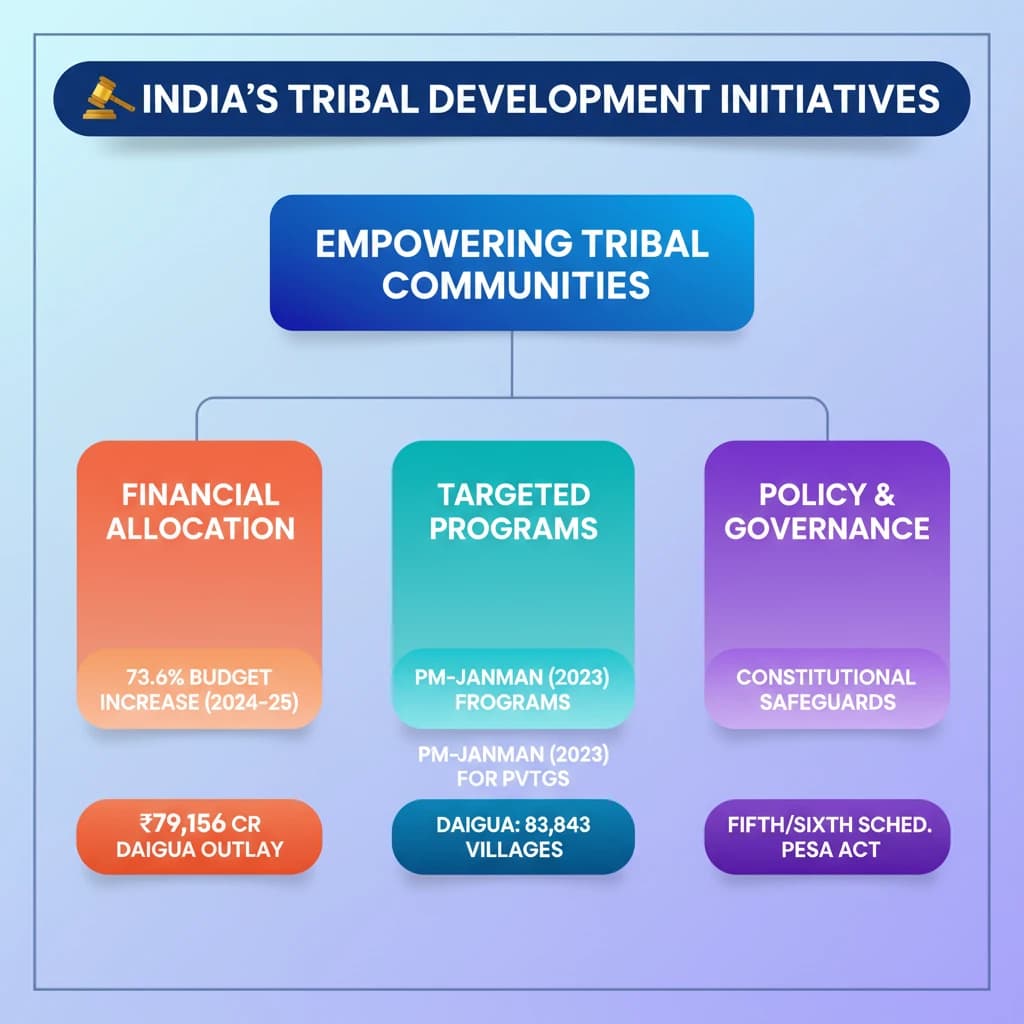
- •India allocates significant funds for tribal development, with a 73.6% increase in 2024-25 budget for Ministry of Tribal Affairs.
- •DAIGUA initiative targets social infrastructure gaps in 83,843 tribal villages with Rs 79,156 crore outlay, benefiting over 5.38 crore people.
- •PM-JANMAN (2023) is a specialized mission for Particularly Vulnerable Tribal Groups (PVTGs), focusing on basic amenities and livelihoods.
- •These initiatives are crucial for inclusive growth, social justice, and achieving Sustainable Development Goals for tribal communities.
- •Constitutional safeguards (Fifth/Sixth Schedules, PESA Act) form the historical backbone of tribal welfare policies.
🧠 Memory Techniques