Loading page, please wait…
Racial Bias in Jallianwala Bagh Massacre Compensation - UPSC History
What is Racial Bias in Jallianwala Bagh Massacre Compensation in UPSC History?
Racial Bias in Jallianwala Bagh Massacre Compensation is a key topic under History for UPSC Civil Services Examination. Key points include: Jallianwala Bagh Massacre (April 13, 1919) was a dark chapter in Indian colonial history.. New research reveals racial bias in British compensation for massacre victims.. The Rowlatt Act (1919) and arrest of leaders (Kitchlew, Satyapal) were key preludes.. Understanding this topic is essential for both UPSC Prelims and Mains preparation.
Why is Racial Bias in Jallianwala Bagh Massacre Compensation important for UPSC exam?
Racial Bias in Jallianwala Bagh Massacre Compensation is a Medium-level topic in UPSC History. It is tested in both Prelims (factual MCQs) and Mains (analytical answer writing). Previous year UPSC questions have frequently covered aspects of Racial Bias in Jallianwala Bagh Massacre Compensation, making it essential for comprehensive IAS preparation.
How to prepare Racial Bias in Jallianwala Bagh Massacre Compensation for UPSC?
To prepare Racial Bias in Jallianwala Bagh Massacre Compensation for UPSC: (1) Study the comprehensive notes covering all key concepts on Vaidra. (2) Practice previous year questions on this topic. (3) Connect it with current affairs using daily updates. (4) Revise using key takeaways and mind maps available for History. (5) Write practice answers linking Racial Bias in Jallianwala Bagh Massacre Compensation to related GS Paper topics.
Key takeaways of Racial Bias in Jallianwala Bagh Massacre Compensation for UPSC
- Jallianwala Bagh Massacre (April 13, 1919) was a dark chapter in Indian colonial history.
- New research reveals racial bias in British compensation for massacre victims.
- The Rowlatt Act (1919) and arrest of leaders (Kitchlew, Satyapal) were key preludes.
- Brigadier-General Dyer ordered indiscriminate firing on unarmed civilians.
- Racialized legal structures underscored systemic colonial injustice.
- The event is crucial for understanding colonial legacies and calls for historical justice.
Racial Bias in Jallianwala Bagh Massacre Compensation
Medium⏱️ 7 min read
history
📖 Introduction
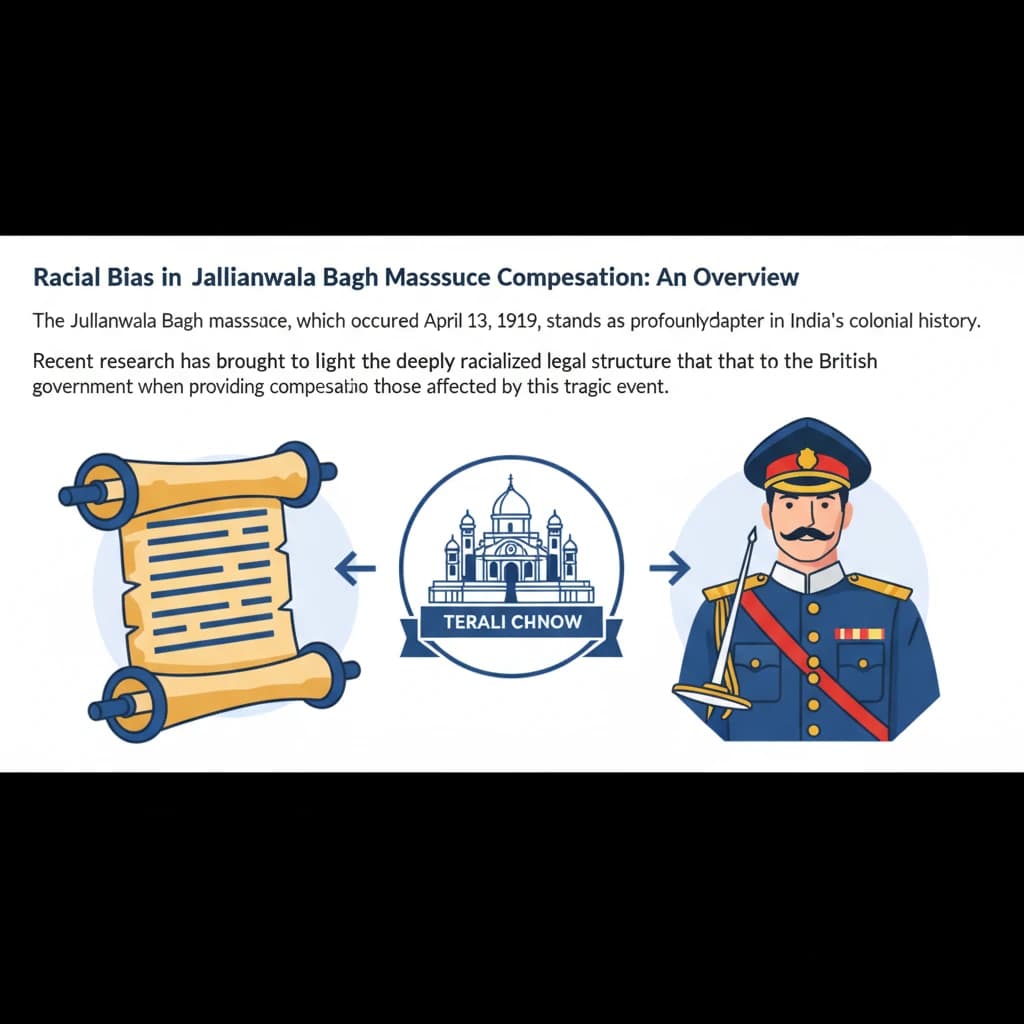
Racial Bias in Jallianwala Bagh Massacre Compensation: An Overview
The Jallianwala Bagh massacre, which occurred on April 13, 1919, stands as a profoundly dark chapter in India’s colonial history.
Recent research has brought to light the deeply racialized legal structure that the British government employed when providing compensation to those affected by this tragic event.
This new understanding highlights a significant aspect of colonial injustice, extending beyond the immediate violence to the subsequent treatment of victims.
What was the Jallianwala Bagh Massacre?
The Jallianwala Bagh massacre refers to the indiscriminate firing by British troops on a large, unarmed gathering of Indians in Amritsar, Punjab.
This brutal act resulted in numerous deaths and injuries, becoming a symbol of British colonial oppression.
Prelude to the Massacre: Growing Tensions
Following World War I, the Indian National Congress anticipated a move towards self-governance.
However, these expectations were met with strong resistance from the Imperial bureaucracy, leading to widespread discontent.
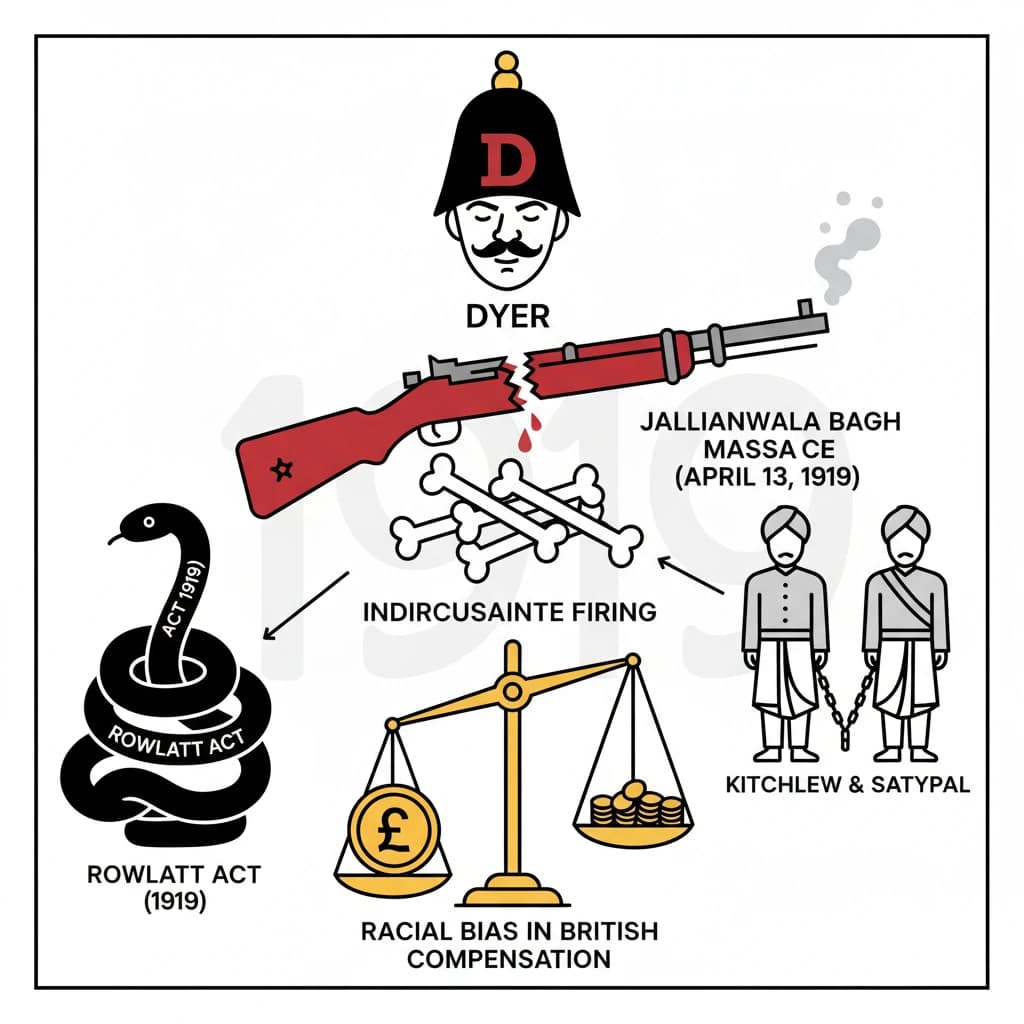
The Rowlatt Act, enacted in 1919, was a contentious piece of legislation.
It granted the government powers to arrest individuals suspected of seditious activities without trial, igniting nationwide unrest.
On April 9, 1919, the arrests of prominent nationalist leaders, Saifuddin Kitchlew and Dr. Satyapal, further escalated tensions and sparked widespread protests across Punjab.
The Massacre Itself: A Day of Infamy
The Jallianwala Bagh massacre unfolded amidst a backdrop of extreme tension, fueled by the oppressive Rowlatt Act and escalating protests throughout Punjab.
Fearing a major uprising, reminiscent of the 1857 revolt, the British administration responded with severe and disproportionate repression.
On April 13, 1919, Brigadier-General Dyer ordered his troops to open fire indiscriminately on thousands of unarmed civilians gathered in Jallianwala Bagh.
This horrific act led to the killing of innocent people and the injury of many more, marking a dark day in Indian history.
For UPSC Mains (GS Paper 1), understanding the prelude, events, and aftermath of the Jallianwala Bagh massacre is crucial, especially its role in shaping the Indian Nationalist Movement and highlighting colonial atrocities.
💡 Key Takeaways
- •Jallianwala Bagh Massacre (April 13, 1919) was a dark chapter in Indian colonial history.
- •New research reveals racial bias in British compensation for massacre victims.
- •The Rowlatt Act (1919) and arrest of leaders (Kitchlew, Satyapal) were key preludes.
- •Brigadier-General Dyer ordered indiscriminate firing on unarmed civilians.
- •Racialized legal structures underscored systemic colonial injustice.
- •The event is crucial for understanding colonial legacies and calls for historical justice.
🧠 Memory Techniques
95% Verified Content