Loading page, please wait…
Vaidra Logo
Vaidra

Top 4 items + smart groups

UPSC GPT
New
Current Affairs
Daily Solutions
Daily Puzzle
Mains Evaluator

Version 2.0.0 • Built with ❤️ for UPSC aspirants

Loading...
Loading...
Loading...
Loading...
Loading...
Loading...
Loading...
Loading...
Loading...
Loading...
Loading...
Loading...
Loading...
What is the POCSO Act? - UPSC Social Issues

What is the POCSO Act? - UPSC Social Issues

What is What is the POCSO Act? in UPSC Social Issues?

What is the POCSO Act? is a key topic under Social Issues for UPSC Civil Services Examination. Key points include: POCSO Act, 2012, protects children from sexual offenses.. Defines a child as anyone under 18 years.. Enacted due to India's UNCRC ratification (1992).. Understanding this topic is essential for both UPSC Prelims and Mains preparation.

Why is What is the POCSO Act? important for UPSC exam?

What is the POCSO Act? is a Easy-level topic in UPSC Social Issues. It is tested in both Prelims (factual MCQs) and Mains (analytical answer writing). Previous year UPSC questions have frequently covered aspects of What is the POCSO Act?, making it essential for comprehensive IAS preparation.

How to prepare What is the POCSO Act? for UPSC?

To prepare What is the POCSO Act? for UPSC: (1) Study the comprehensive notes covering all key concepts on Vaidra. (2) Practice previous year questions on this topic. (3) Connect it with current affairs using daily updates. (4) Revise using key takeaways and mind maps available for Social Issues. (5) Write practice answers linking What is the POCSO Act? to related GS Paper topics.

Key takeaways of What is the POCSO Act? for UPSC

  • POCSO Act, 2012, protects children from sexual offenses.
  • Defines a child as anyone under 18 years.
  • Enacted due to India's UNCRC ratification (1992).
  • Key features: gender-neutrality, victim identity confidentiality (Section 23), mandatory reporting (Sections 19-22).
  • Aims for a victim-centric approach and stringent punishment.
What is the POCSO Act?

What is the POCSO Act?

Easy⏱️ 7 min read✓ 95% Verified
social issues

📖 Introduction

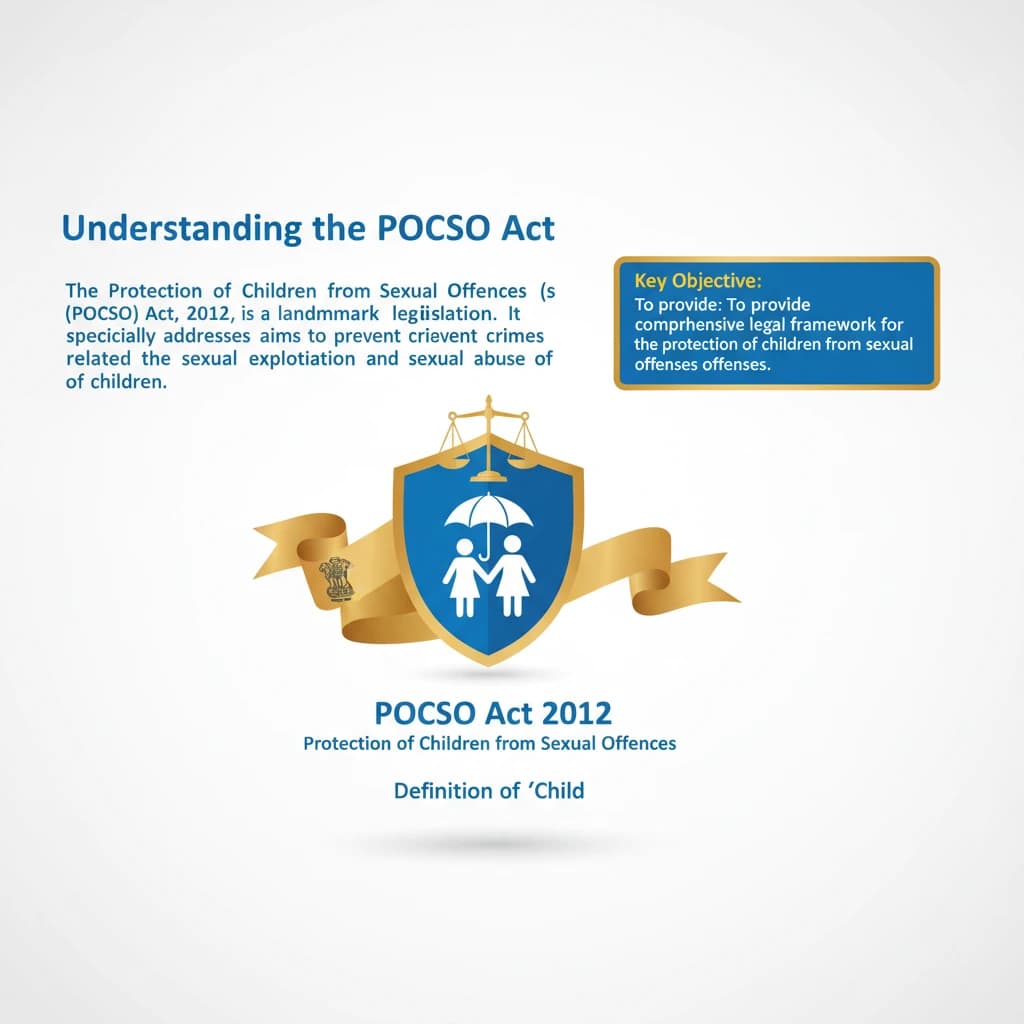
<h4>Understanding the POCSO Act</h4><p>The <strong>Protection of Children from Sexual Offences (POCSO) Act, 2012</strong>, is a landmark legislation in India. It specifically addresses and aims to prevent crimes related to the <strong>sexual exploitation</strong> and <strong>sexual abuse of children</strong>.</p><div class='info-box'><p><strong>Key Objective:</strong> To provide a comprehensive legal framework for the protection of children from sexual offenses.</p></div><h4>Definition of 'Child' under POCSO</h4><p>A crucial aspect of the Act is its clear definition of who constitutes a child. This ensures that its protective provisions are applied uniformly across the country.</p><div class='info-box'><p>Under the <strong>POCSO Act</strong>, a <strong>child</strong> is defined as any person who is <strong>below the age of 18 years</strong>. This definition aligns with international standards for child protection.</p></div><h4>International Mandate and Enactment</h4><p>The enactment of the <strong>POCSO Act</strong> was not an isolated domestic initiative. It was a direct response to India's commitment on the global stage towards child rights.</p><p>India's ratification of the <strong>UN Convention on the Rights of the Child (UNCRC)</strong> in <strong>1992</strong> served as a primary catalyst. The <strong>POCSO Act</strong> was subsequently enacted to fulfill these international obligations.</p><div class='key-point-box'><p><strong>UPSC Insight:</strong> The connection between international conventions (like <strong>UNCRC</strong>) and domestic legislation (like <strong>POCSO</strong>) is a recurring theme in <strong>GS-II (Polity and Governance)</strong>. Understanding this link is vital.</p></div><h4>Salient Features of the POCSO Act</h4><p>The Act incorporates several progressive features designed to offer robust protection to child victims and ensure justice. These features make it a comprehensive and victim-centric law.</p><ul><li><strong>Gender-Neutral Nature:</strong> The Act acknowledges that both <strong>girls and boys</strong> can be victims of sexual abuse. It ensures that such abuse is considered a crime irrespective of the victim's gender.</li><li><strong>Confidentiality of Victim's Identity:</strong> <strong>Section 23</strong> of the <strong>POCSO Act, 2012</strong>, strictly mandates the confidentiality of a child victim's identity. This provision is critical for protecting the child's privacy and future well-being.</li><li><strong>Mandatory Reporting of Child Abuse Cases:</strong> <strong>Sections 19 to 22</strong> of the Act impose a legal obligation on individuals. Anyone with knowledge or reasonable suspicion of a <strong>POCSO offense</strong> must report it to the appropriate authorities.</li></ul><h4>Protecting Victim Identity</h4><p>The confidentiality clause is vital to prevent secondary victimization and stigmatization. It places strict restrictions on information disclosure.</p><div class='info-box'><p><strong>Media reports</strong> are explicitly prohibited from disclosing any details that could reveal the victim’s identity. This includes their <strong>name, address, family information</strong>, or any other identifying particulars.</p></div><h4>Ensuring Accountability through Reporting</h4><p>The mandatory reporting provisions are designed to create a network of vigilance. They ensure that cases of child abuse do not go unreported.</p><div class='key-point-box'><p>This legal compulsion helps in early intervention and prosecution, thereby safeguarding children more effectively. It involves various stakeholders, including teachers, doctors, and even concerned citizens.</p></div>
Concept Diagram

💡 Key Takeaways

  • •POCSO Act, 2012, protects children from sexual offenses.
  • •Defines a child as anyone under 18 years.
  • •Enacted due to India's UNCRC ratification (1992).
  • •Key features: gender-neutrality, victim identity confidentiality (Section 23), mandatory reporting (Sections 19-22).
  • •Aims for a victim-centric approach and stringent punishment.

🧠 Memory Techniques

Memory Aid
95% Verified Content

Related Topics

Loading related topics...
Explore:Social Issues Topics·All Subjects·Daily Current Affairs·Editorial Analysis·Previous Year Questions·UPSC GPT
Back
All Subjects

Topics

0 topics • 0 completed

Loading topics...
Loading...
Loading...
Loading...
Loading...
Loading...
Overall Progress0%