Loading page, please wait…
WHO Report on Global Immunisation - UPSC Social Issues
What is WHO Report on Global Immunisation in UPSC Social Issues?
WHO Report on Global Immunisation is a key topic under Social Issues for UPSC Civil Services Examination. Key points include: Queen Ahilyabai Holkar (b. May 31, 1725) was a visionary ruler of the Malwa kingdom, part of the Maratha Empire.. She was known for extensive temple construction (e.g., Kashi Vishwanath) and progressive social reforms like abolishing Sati and promoting women's rights.. The WHO report highlights that global immunisation efforts have saved an estimated 154 million lives over the past 50 years.. Understanding this topic is essential for both UPSC Prelims and Mains preparation.
Why is WHO Report on Global Immunisation important for UPSC exam?
WHO Report on Global Immunisation is a Medium-level topic in UPSC Social Issues. It is tested in both Prelims (factual MCQs) and Mains (analytical answer writing). Previous year UPSC questions have frequently covered aspects of WHO Report on Global Immunisation, making it essential for comprehensive IAS preparation.
How to prepare WHO Report on Global Immunisation for UPSC?
To prepare WHO Report on Global Immunisation for UPSC: (1) Study the comprehensive notes covering all key concepts on Vaidra. (2) Practice previous year questions on this topic. (3) Connect it with current affairs using daily updates. (4) Revise using key takeaways and mind maps available for Social Issues. (5) Write practice answers linking WHO Report on Global Immunisation to related GS Paper topics.
Key takeaways of WHO Report on Global Immunisation for UPSC
- Queen Ahilyabai Holkar (b. May 31, 1725) was a visionary ruler of the Malwa kingdom, part of the Maratha Empire.
- She was known for extensive temple construction (e.g., Kashi Vishwanath) and progressive social reforms like abolishing Sati and promoting women's rights.
- The WHO report highlights that global immunisation efforts have saved an estimated 154 million lives over the past 50 years.
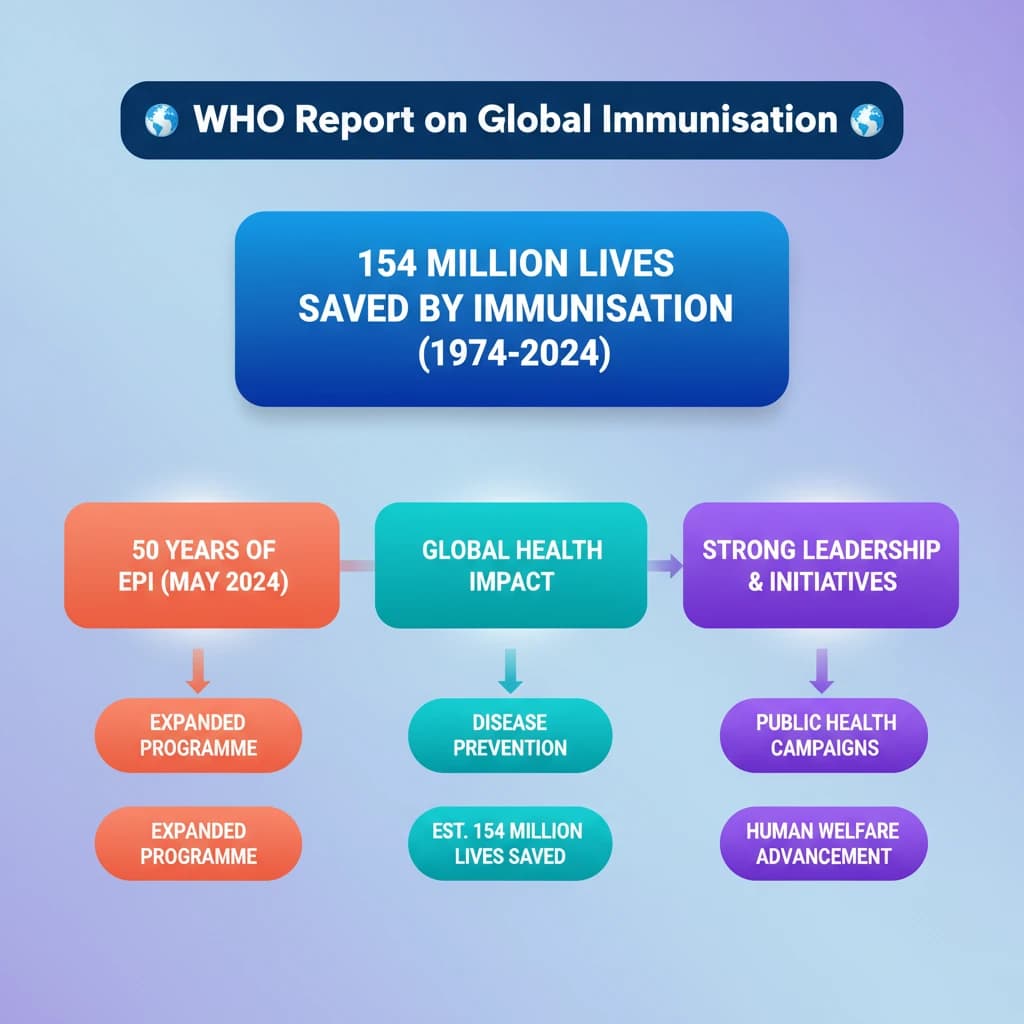
- This report was released ahead of the 50th anniversary of the Expanded Programme on Immunization (EPI) in May 2024.
- Both topics emphasize the impact of strong leadership and sustained public health initiatives on human welfare and societal progress.
WHO Report on Global Immunisation
Medium⏱️ 7 min read
social issues
📖 Introduction
Queen Ahilyabai Holkar: A Visionary Ruler
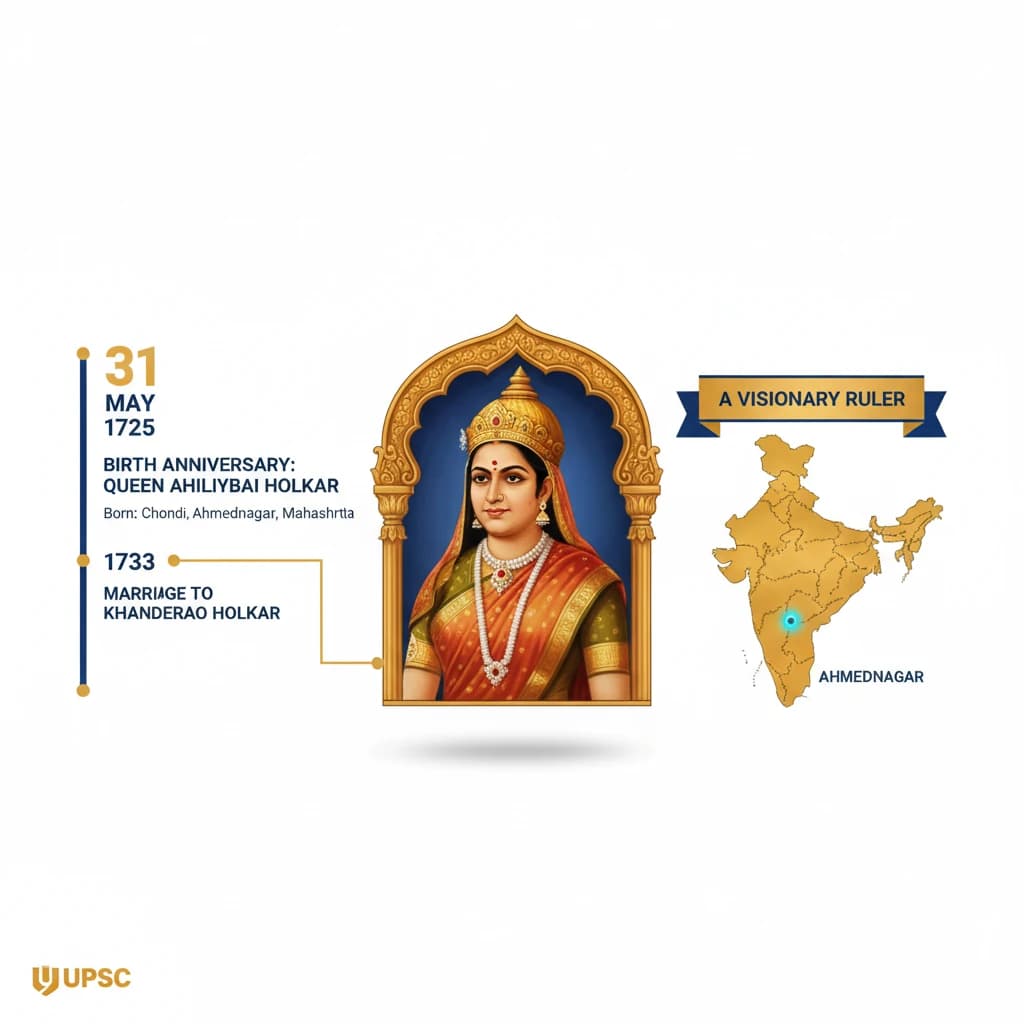
The 31st of May commemorates the birth anniversary of Queen Ahilyabai Holkar, a revered figure in Indian history. She was born on May 31, 1725, in the village of Chondi, located in the Ahmednagar district of Maharashtra.
In 1733, Ahilyabai Holkar married Khanderao Holkar, who was the son of Malhar Rao Holkar. Malhar Rao Holkar was the esteemed founder of the Holkar dynasty within the powerful Maratha Empire.
Following the unfortunate death of her husband in 1754, Ahilyabai Holkar ascended to the throne. She subsequently became the influential ruler of the Malwa kingdom, demonstrating exceptional leadership and administrative prowess.
- Birth Date: May 31, 1725
- Birthplace: Chondi, Ahmednagar district, Maharashtra
- Husband: Khanderao Holkar
- Dynasty: Holkar (Maratha Empire)
- Reign: Ruler of Malwa kingdom after 1754
Her reign was marked by significant contributions to both public works and social reforms. She was instrumental in the construction and renovation of numerous temples across India, including the renowned Kashi Vishwanath Temple in Varanasi.
Beyond infrastructure, Ahilyabai Holkar was a progressive social reformer. She courageously abolished the regressive practice of Sati within her kingdom. Furthermore, she actively championed and promoted both education and women’s rights, leaving a lasting legacy of empowerment.
Ahilyabai Holkar passed away on August 13, 1795, leaving behind a profound impact on Indian society and governance.
WHO Report on Global Immunisation: A Landmark Achievement
Recently, the World Health Organisation (WHO) released a significant study highlighting the immense success of global immunisation efforts. This report revealed that these initiatives have collectively saved an estimated 154 million lives over the past 50 years.
- Organisation: World Health Organisation (WHO)
- Report Finding: Global Immunisation saved an estimated 154 million lives
- Period: Over the past 50 years
The release of this crucial report coincided with World Immunization Week. It was strategically timed ahead of the upcoming 50th anniversary of the Expanded Programme on Immunization (EPI), which is scheduled to take place in May 2024.
The WHO report underscores the unparalleled impact of widespread vaccination on global public health, preventing countless deaths and significantly improving life expectancy worldwide.
💡 Key Takeaways
- •Queen Ahilyabai Holkar (b. May 31, 1725) was a visionary ruler of the Malwa kingdom, part of the Maratha Empire.
- •She was known for extensive temple construction (e.g., Kashi Vishwanath) and progressive social reforms like abolishing Sati and promoting women's rights.
- •The WHO report highlights that global immunisation efforts have saved an estimated 154 million lives over the past 50 years.
- •This report was released ahead of the 50th anniversary of the Expanded Programme on Immunization (EPI) in May 2024.
- •Both topics emphasize the impact of strong leadership and sustained public health initiatives on human welfare and societal progress.
🧠 Memory Techniques
95% Verified Content
📚 Reference Sources
•World Health Organization (WHO) official reports on immunisation
•Historical accounts and biographies of Queen Ahilyabai Holkar
•Government of India (Ministry of Health and Family Welfare) documents on immunisation programs