Loading page, please wait…
Vaidra Logo
Vaidra

Top 4 items + smart groups

UPSC GPT
New
Current Affairs
Daily Solutions
Daily Puzzle
Mains Evaluator

Version 2.0.0 • Built with ❤️ for UPSC aspirants

Loading...
Loading...
Loading...
Loading...
Loading...
Loading...
Loading...
Loading...
Loading...
Loading...
Loading...
Loading...
Loading...
Back
All Subjects

Topics

0 topics • 0 completed

Loading topics...
Loading...
Loading...
Loading...
Loading...
Loading...
Overall Progress0%

Asiatic Cheetah: Habitat, Threats, and Conservation Status - UPSC Environment And Ecology

What is Asiatic Cheetah: Habitat, Threats, and Conservation Status in UPSC Environment And Ecology?

Asiatic Cheetah: Habitat, Threats, and Conservation Status is a key topic under Environment And Ecology for UPSC Civil Services Examination. Key points include: Habitat is the natural environment providing essential resources for an organism's survival.. Specific habitats like savannas and grasslands support unique adaptations, such as high-speed hunting.. Major threats to these habitats and species include illegal trafficking, habitat loss, human encroachment, and hunting.. Understanding this topic is essential for both UPSC Prelims and Mains preparation.

Why is Asiatic Cheetah: Habitat, Threats, and Conservation Status important for UPSC exam?

Asiatic Cheetah: Habitat, Threats, and Conservation Status is a Medium-level topic in UPSC Environment And Ecology. It is tested in both Prelims (factual MCQs) and Mains (analytical answer writing). Previous year UPSC questions have frequently covered aspects of Asiatic Cheetah: Habitat, Threats, and Conservation Status, making it essential for comprehensive IAS preparation.

How to prepare Asiatic Cheetah: Habitat, Threats, and Conservation Status for UPSC?

To prepare Asiatic Cheetah: Habitat, Threats, and Conservation Status for UPSC: (1) Study the comprehensive notes covering all key concepts on Vaidra. (2) Practice previous year questions on this topic. (3) Connect it with current affairs using daily updates. (4) Revise using key takeaways and mind maps available for Environment And Ecology. (5) Write practice answers linking Asiatic Cheetah: Habitat, Threats, and Conservation Status to related GS Paper topics.

Key takeaways of Asiatic Cheetah: Habitat, Threats, and Conservation Status for UPSC

  • Habitat is the natural environment providing essential resources for an organism's survival.
  • Specific habitats like savannas and grasslands support unique adaptations, such as high-speed hunting.
  • Major threats to these habitats and species include illegal trafficking, habitat loss, human encroachment, and hunting.
  • The species in question (e.g., Asiatic Cheetah) is classified as 'Endangered' on the IUCN Red List.
  • Population numbers have dwindled significantly, with remaining populations largely confined to protected areas.
  • Conservation efforts require addressing both local habitat destruction and international wildlife trade.
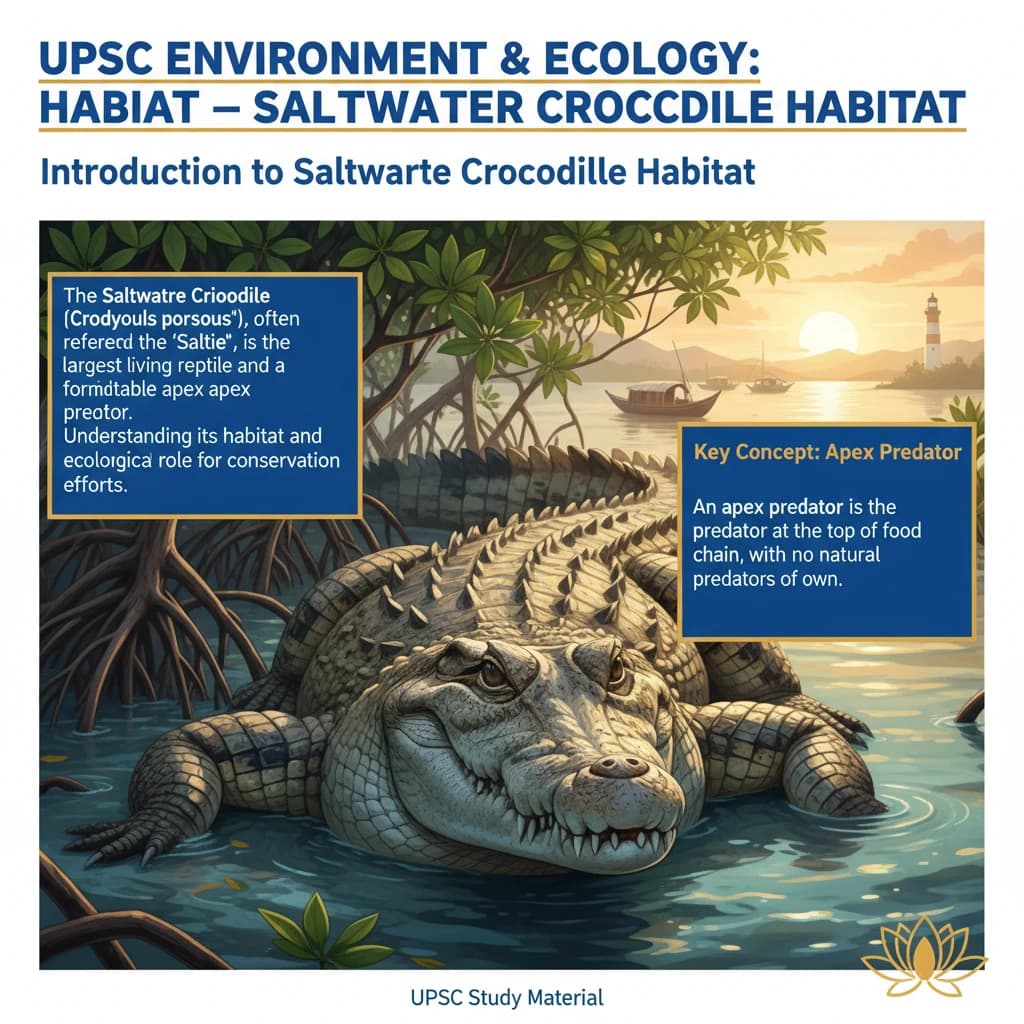
Asiatic Cheetah: Habitat, Threats, and Conservation Status

Asiatic Cheetah: Habitat, Threats, and Conservation Status

Medium⏱️ 8 min read✓ 95% Verified
environment and ecology

📖 Introduction

<h4>Understanding a Specific Habitat: The Case of High-Speed Predators</h4><p>The habitats of certain <strong>high-speed predators</strong>, often implied to be species like the <strong>cheetah</strong>, typically span diverse environments. These include vast <strong>savannas</strong>, expansive <strong>grasslands</strong>, and arid to semi-arid regions. Such areas are characterized by <strong>sparse vegetation</strong>.</p><p>This specific environmental setup is crucial for their survival. The open terrain and limited cover directly facilitate their unique <strong>hunting strategy</strong>, which relies heavily on <strong>high-speed pursuits</strong> to capture prey.</p><h4>Major Threats to These Habitats and Species</h4><p>The species inhabiting these regions face significant threats, leading to a drastic decline in their numbers. One major concern is <strong>heavy trafficking</strong>, particularly across the <strong>Red Sea</strong>. These animals are often illegally moved to <strong>Arab countries</strong> such as <strong>Saudi Arabia</strong>, the <strong>United Arab Emirates</strong>, and <strong>Yemen</strong>.</p><div class='info-box'><p>Key Threats Identified:</p><ul><li><strong>Illegal wildlife trafficking</strong> (Red Sea route)</li><li>Extensive <strong>habitat loss</strong></li><li>Increasing <strong>human encroachments</strong> into natural territories</li><li>Direct <strong>hunting</strong> by humans</li></ul></div><p>These combined pressures have caused their populations to <strong>significantly dwindle</strong>. Only a few scattered populations remain, primarily confined to <strong>protected areas</strong>, which offer some respite from these threats.</p><h4>Conservation Status: IUCN Red List</h4><p>The dire situation of these species is officially recognized by international conservation bodies. Their conservation status on the <strong>IUCN Red List</strong> is classified as <strong>Endangered</strong>. This classification highlights the urgent need for robust conservation efforts to prevent their extinction.</p><div class='exam-tip-box'><p><strong>UPSC Insight:</strong> Understanding specific examples of endangered species and their threats (like habitat loss and trafficking) is crucial for <strong>GS Paper 3: Environment and Ecology</strong>. Be prepared to discuss both natural and anthropogenic causes of biodiversity loss.</p></div>
Concept Diagram

💡 Key Takeaways

  • •Habitat is the natural environment providing essential resources for an organism's survival.
  • •Specific habitats like savannas and grasslands support unique adaptations, such as high-speed hunting.
  • •Major threats to these habitats and species include illegal trafficking, habitat loss, human encroachment, and hunting.
  • •The species in question (e.g., Asiatic Cheetah) is classified as 'Endangered' on the IUCN Red List.
  • •Population numbers have dwindled significantly, with remaining populations largely confined to protected areas.
  • •Conservation efforts require addressing both local habitat destruction and international wildlife trade.

🧠 Memory Techniques
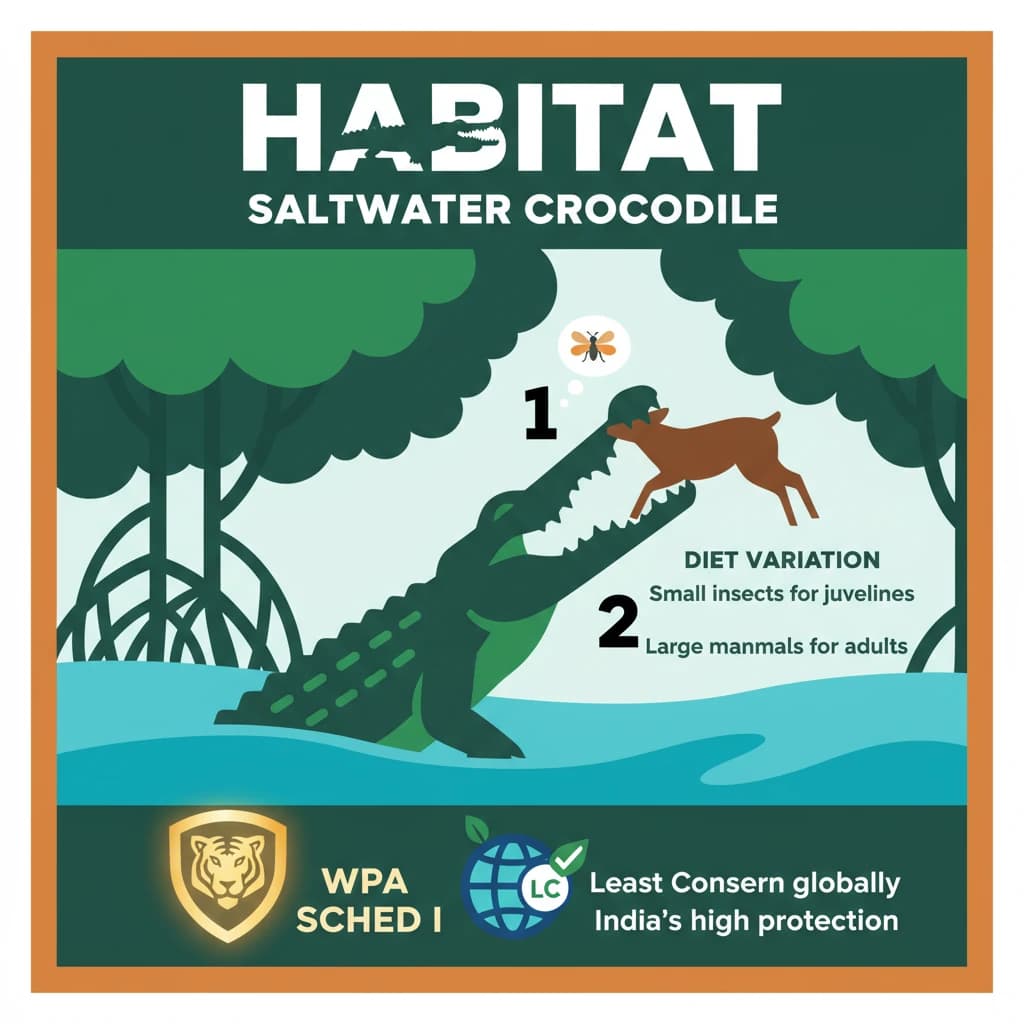
Memory Aid
95% Verified Content

📚 Reference Sources

•IUCN Red List (general knowledge for 'Endangered' status and related species)
•General knowledge on wildlife trafficking routes and endangered species habitats

Related Topics

Loading related topics...
Explore:Environment And Ecology Topics·All Subjects·Daily Current Affairs·Editorial Analysis·Previous Year Questions·UPSC GPT
Asiatic Cheetah: Habitat, Threats, and Conservation Status - UPSC Environment And Ecology