Loading page, please wait…
Vaidra Logo
Vaidra

Top 4 items + smart groups

UPSC GPT
New
Current Affairs
Daily Solutions
Daily Puzzle
Mains Evaluator

Version 2.0.0 • Built with ❤️ for UPSC aspirants

Loading...
Loading...
Loading...
Loading...
Loading...
Loading...
Loading...
Loading...
Loading...
Loading...
Loading...
Loading...
Loading...
Back
All Subjects

Topics

0 topics • 0 completed

Loading topics...
Loading...
Loading...
Loading...
Loading...
Loading...
Overall Progress0%

What is Biotechnology? - UPSC Science And Technology

What is What is Biotechnology? in UPSC Science And Technology?

What is Biotechnology? is a key topic under Science And Technology for UPSC Civil Services Examination. Key points include: Biotechnology combines biology and technology to create beneficial products and solutions.. It harnesses cellular and biomolecular processes for diverse applications.. Healthcare (Red Biotech) is a major beneficiary, enabling advanced drugs, vaccines, and therapies.. Understanding this topic is essential for both UPSC Prelims and Mains preparation.

Why is What is Biotechnology? important for UPSC exam?

What is Biotechnology? is a Easy-level topic in UPSC Science And Technology. It is tested in both Prelims (factual MCQs) and Mains (analytical answer writing). Previous year UPSC questions have frequently covered aspects of What is Biotechnology?, making it essential for comprehensive IAS preparation.

How to prepare What is Biotechnology? for UPSC?

To prepare What is Biotechnology? for UPSC: (1) Study the comprehensive notes covering all key concepts on Vaidra. (2) Practice previous year questions on this topic. (3) Connect it with current affairs using daily updates. (4) Revise using key takeaways and mind maps available for Science And Technology. (5) Write practice answers linking What is Biotechnology? to related GS Paper topics.

Key takeaways of What is Biotechnology? for UPSC

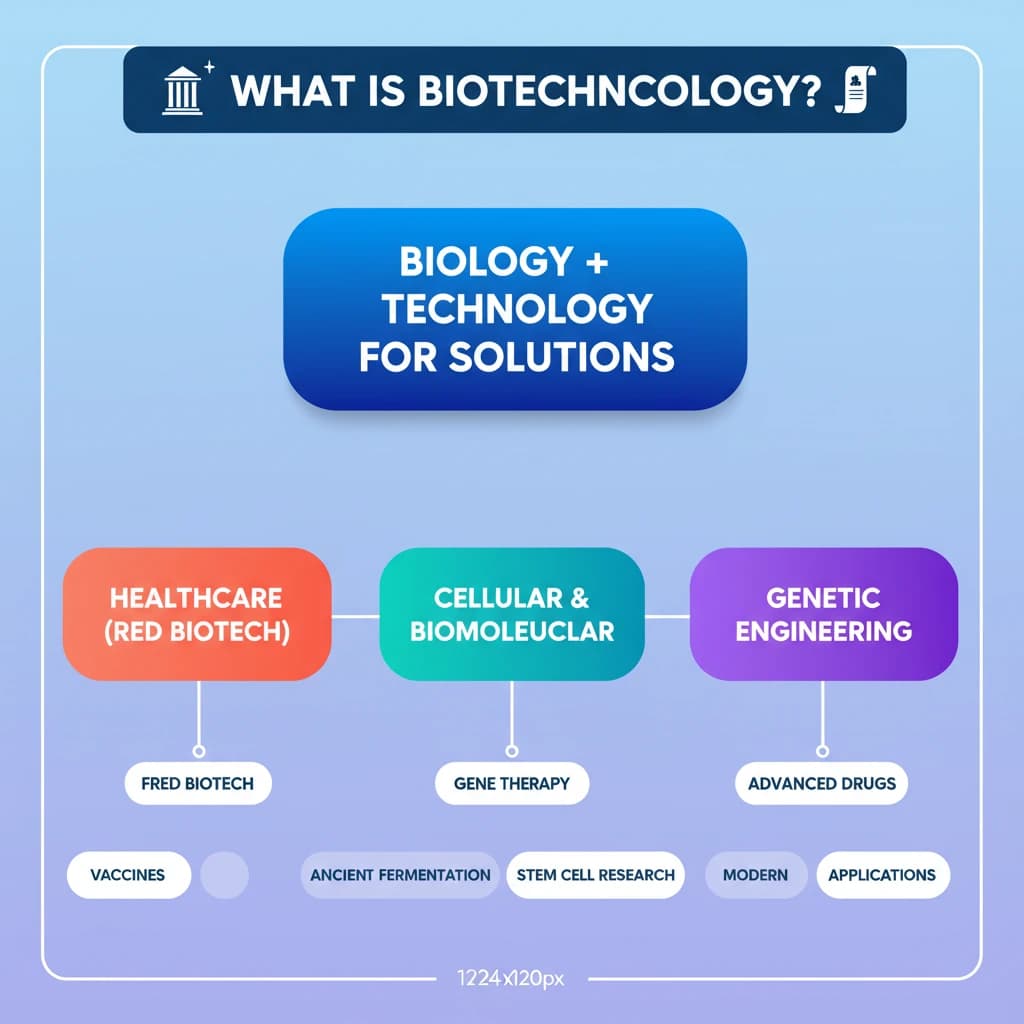
  • Biotechnology combines biology and technology to create beneficial products and solutions.
  • It harnesses cellular and biomolecular processes for diverse applications.
  • Healthcare (Red Biotech) is a major beneficiary, enabling advanced drugs, vaccines, and therapies.
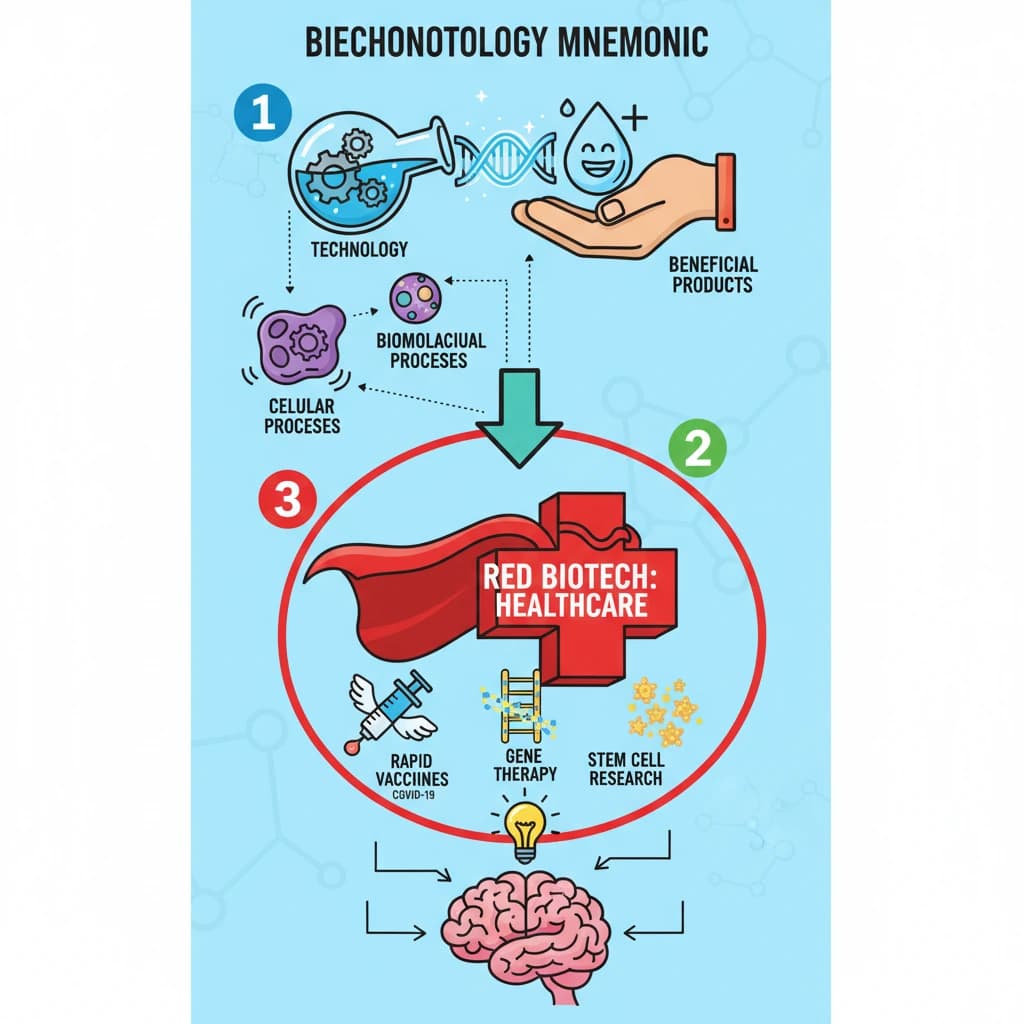
  • Key applications include rapid vaccine production (e.g., COVID-19), gene therapy, and stem cell research.
  • Biotechnology has evolved from ancient fermentation to modern genetic engineering.
  • It is crucial for India's bioeconomy and addressing global challenges like health and food security.
What is Biotechnology?

What is Biotechnology?

Easy⏱️ 8 min read✓ 98% Verified
science and technology

📖 Introduction

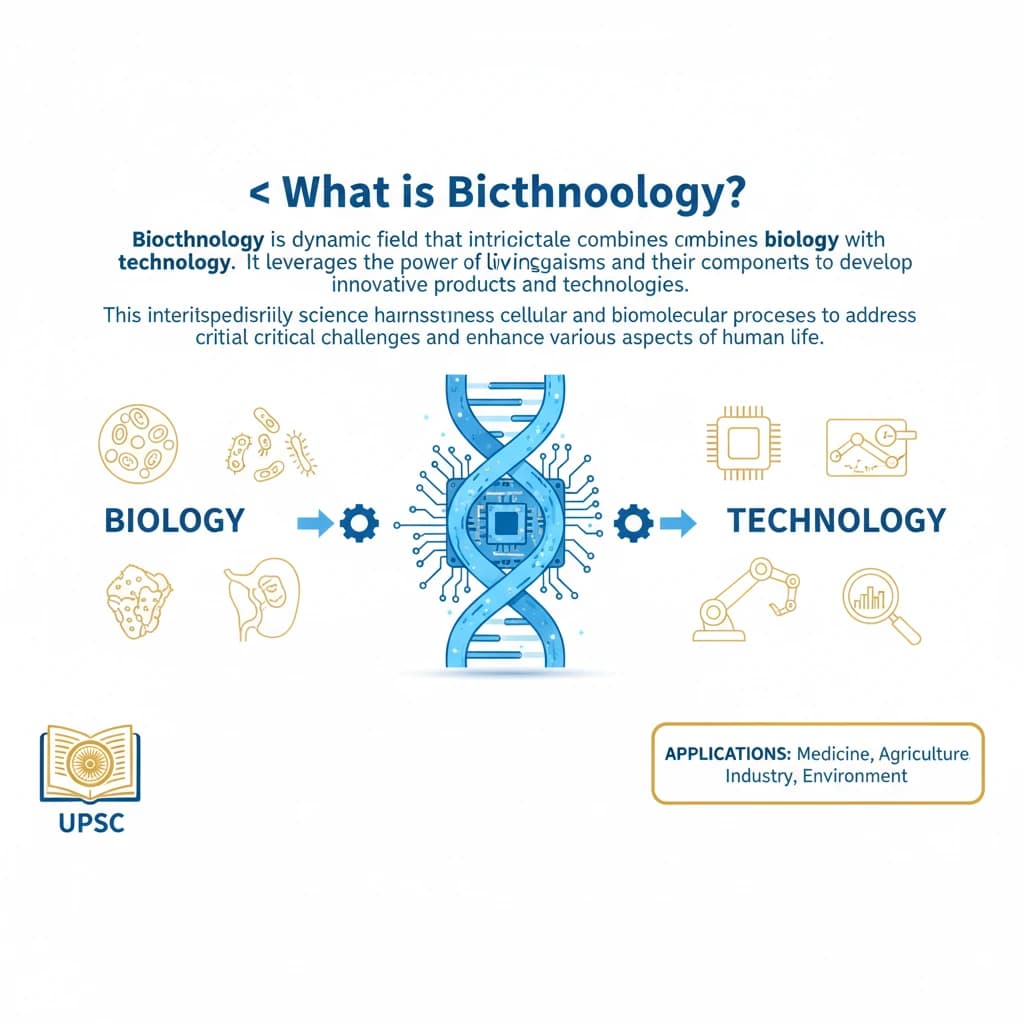
<h4>What is Biotechnology?</h4><p><strong>Biotechnology</strong> is a dynamic field that intricately combines <strong>biology</strong> with <strong>technology</strong>. It leverages the power of living organisms and their components to develop innovative products and technologies.</p><p>This interdisciplinary science harnesses <strong>cellular</strong> and <strong>biomolecular processes</strong> to address critical challenges and enhance various aspects of human life.</p><div class='info-box'><p><strong>Definition:</strong> <strong>Biotechnology</strong> is the application of scientific and engineering principles to the processing of materials by biological agents to provide goods and services.</p></div><p>The ultimate goal of biotechnology is to create solutions that improve our quality of life and contribute to the sustainability of our planet.</p><div class='key-point-box'><p><strong>Key Impact:</strong> Biotechnology is crucial for developing sustainable solutions in health, agriculture, industry, and environmental protection.</p></div><h4>Benefits of Biotechnology: Healthcare Advancements</h4><p>One of the most significant impacts of biotechnology is seen in <strong>healthcare advancements</strong>, often referred to as <strong>Medical Biotechnology</strong> or <strong>Red Biotech</strong>. This area focuses on developing new ways to diagnose, prevent, and treat diseases.</p><p>It enables the creation of highly advanced drugs, effective vaccines, and groundbreaking therapies that were previously unimaginable.</p><ul><li><strong>Advanced Drugs & Vaccines:</strong> Development of new pharmaceuticals and rapid production of vaccines, as notably demonstrated during the <strong>Covid-19 pandemic</strong>.</li><li><strong>Personalised Medicine:</strong> Tailoring medical treatment to the individual characteristics of each patient, often based on their genetic profile.</li><li><strong>Gene Therapy:</strong> Techniques used to correct defective genes responsible for disease development.</li><li><strong>Targeted Cancer Treatments:</strong> Therapies designed to specifically attack cancer cells while minimizing harm to healthy cells.</li></ul><p>Beyond these, <strong>stem cell research</strong> and <strong>tissue engineering</strong> are revolutionary sub-fields. They hold immense potential for regenerating damaged tissues and organs.</p><p>These advancements are opening new doors for treating conditions that were once considered untreatable, offering hope for millions worldwide.</p><div class='exam-tip-box'><p><strong>UPSC Insight:</strong> <strong>Medical Biotechnology (Red Biotech)</strong> is a frequently asked topic in <strong>GS Paper III (Science & Technology)</strong>. Focus on its applications, ethical considerations, and government initiatives.</p></div>
Concept Diagram

💡 Key Takeaways

  • •Biotechnology combines biology and technology to create beneficial products and solutions.
  • •It harnesses cellular and biomolecular processes for diverse applications.
  • •Healthcare (Red Biotech) is a major beneficiary, enabling advanced drugs, vaccines, and therapies.
  • •Key applications include rapid vaccine production (e.g., COVID-19), gene therapy, and stem cell research.
  • •Biotechnology has evolved from ancient fermentation to modern genetic engineering.
  • •It is crucial for India's bioeconomy and addressing global challenges like health and food security.

🧠 Memory Techniques
Memory Aid
98% Verified Content

📚 Reference Sources

•NCERT Biology Textbooks (Class 12 - Biotechnology Principles and Processes)
•Department of Biotechnology, Government of India (DBT) reports
•World Health Organization (WHO) publications on vaccines and public health
•Reputable science journals (e.g., Nature, Science for general concepts)

Related Topics

Loading related topics...
Explore:Science And Technology Topics·All Subjects·Daily Current Affairs·Editorial Analysis·Previous Year Questions·UPSC GPT
What is Biotechnology? - UPSC Science And Technology