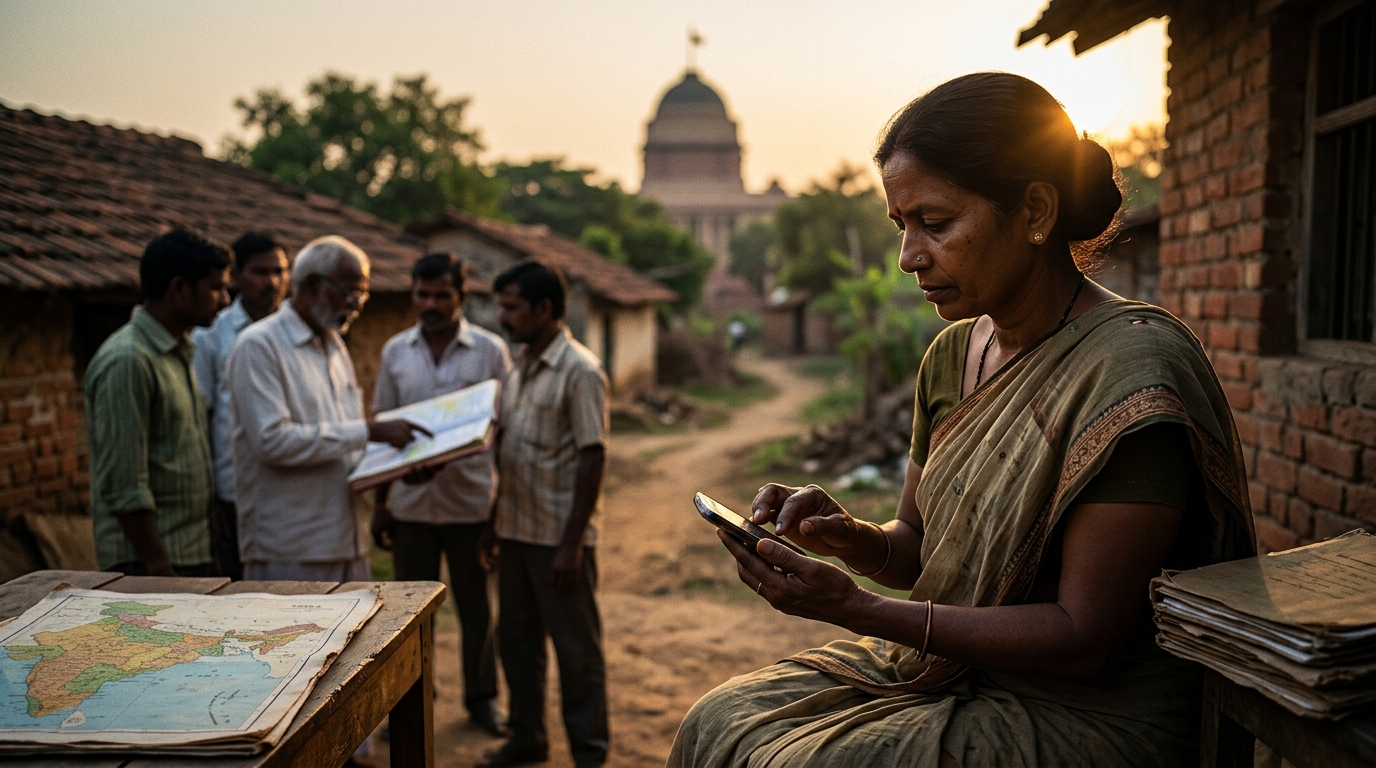
2027 Digital Census Launches with Self‑Enumeration; Caste Enumeration Methodology Pending — RG&CCI Says
2027 Population Census पूरी तरह से डिजिटल रूप से किया जाएगा, जिसमें स्व‑गणना और पहली बार जाति डेटा संग्रह शामिल है। जबकि स्व‑गणना पोर्टल अप्रैल 2026 की शुरुआत में खुलता है, जाति गणना की कार्यप्रणाली अभी समीक्षा में है, और पश्चिम बंगाल ही वह एकमात्र राज्य है जिसने अभी तक प्रक्रिया की सूचना नहीं दी है।
2027 Census: डिजिटल रोल‑आउट, स्व‑गणना और लंबित जाति गणना Population Census 2027 पूरी तरह से डिजिटल रूप से किया जाएगा, जो भारत के लिए तीन प्रथम हैं: एक डिजिटल जनगणना, जाति डेटा का समावेश, और निवासियों के लिए स्व‑गणना विकल्प। Registrar General and Census Commissioner of India (RG&CCI) Mritunjay Kumar Narayan ने 30 मार्च 2026 को प्रेस को शेड्यूल, कार्यप्रणाली संबंधी अंतराल और सुरक्षा उपायों की रूपरेखा प्रस्तुत की। मुख्य विकास स्व‑गणना पोर्टल 1 अप्रैल से 15 अप्रैल, 2026 तक आठ केंद्र शासित प्रदेश/राज्य और दिल्ली कैंटनमेंट क्षेत्रों के लिए खुलता है। पहला चरण – House Listing Operations (HLO) – सभी राज्यों में 1 अप्रैल से 30 सितंबर, 2026 तक चलता है। दूसरा चरण – जनसंख्या गणना, जिसमें जाति गणना शामिल है – फ़रवरी 2027 के लिए निर्धारित है, सिवाय लद्दाख और बर्फ‑बंद जिलों के जहाँ यह 30 सितंबर, 2026 तक समाप्त हो जाती है। जाति गणना की कार्यप्रणाली अभी भी समीक्षा में है; कई सुझावों की जांच की जा रही है। West Bengal अभी तक एकमात्र राज्य है जिसने जनगणना प्रक्रिया की सूचना नहीं दी है; अंतिम तिथि 30 सितंबर, 2026 निर्धारित की गई है। महत्वपूर्ण तथ्य (तुलनात्मक 2011‑2026) Statutory towns की संख्या 4,041 से 5,128 (+1,087) तक बढ़ी। Census towns 3,892 से 4,580 (+688) तक बढ़े। जिलों की संख्या 144 से 784 (640 की वृद्धि) हुई। उप‑जिलों (tehsils) की संख्या 5,990 से 7,092 (+1,102) तक बढ़ी। ग्रामों की संख्या 1,030** घटकर 640,932 से 639,902** हुई। राज्य/UTs अब कुल 36 हैं, 2011 के बाद एक से बढ़े हैं। कानूनी और डेटा‑सुरक्षा ढांचा सभी व्यक्तिगत जानकारी Census Act, 1948 के तहत संरक्षित है। सेक्शन 15 गोपनीयता की गारंटी देता है; डेटा को व्यक्तिगत रूप से एक्सेस नहीं किया जा सकता।
Quick Reference
Key Insight
डिजिटल 2027 Census स्वयं‑गणना के साथ शुरू, जाति डेटा पद्धति अभी लंबित।
Key Facts
- स्वयं‑गणना पोर्टल 1‑15 अप्रैल 2026 को आठ UTs/States और दिल्ली के लिए खुलता है।
- हाउस लिस्टिंग ऑपरेशन्स (HLO) – पहला चरण – 1 अप्रैल से 30 सितंबर 2026 तक सभी राज्यों में चलता है।
- जनसंख्या गणना (दूसरा चरण) फरवरी 2027 के लिए निर्धारित है; जाति गणना पद्धति अभी समीक्षा में है।
- पश्चिम बंगाल वह एकमात्र राज्य है जिसने अभी तक जनगणना समय‑सारिणी की सूचना नहीं दी है; अंतिम तिथि 30 सितंबर 2026 निर्धारित है।
- Census Act, 1948 (Section 15) जनगणना में एकत्रित व्यक्तिगत डेटा की गोपनीयता की गारंटी देता है।
Background
2027 Census भारत में पहली पूरी डिजिटल गणना है, जिसमें स्वयं‑गणना और पहली बार जाति डेटा को जोड़ा गया है। यह सरकार की e‑governance, डेटा‑आधारित योजना और सामाजिक न्याय की दिशा में धकेल के साथ मेल खाता है, जबकि गोपनीयता, डेटा सुरक्षा और पद्धति की मजबूती को लेकर चिंताएँ उठाता है।
UPSC Syllabus
- GS1 — Population and Associated Issues
- Prelims_GS — Panchayati Raj and Local Governance
- Prelims_GS — National Current Affairs
- Essay — Society, Gender and Social Justice
- Essay — Economy, Development and Inequality
- GS2 — Devolution of powers and finances to local levels
Mains Angle
GS 1 – पूरी डिजिटल जनगणना जिसमें स्वयं‑गणना और लंबित जाति डेटा संग्रह शामिल है, के शासन, गोपनीयता और नीति निर्माण पर प्रभावों पर चर्चा करें। Census Act, 1948 के तहत कानूनी सुरक्षा उपायों का मूल्यांकन करें।