Loading page, please wait…
HomeCurrent AffairsEditorialsGovt SchemesLearning ResourcesUPSC SyllabusPricingAboutBest UPSC AIUPSC AI ToolAI for UPSCUPSC ChatGPT

© 2026 Vaidra. All rights reserved.

PrivacyTerms
Vaidra Logo
Vaidra

Top 4 items + smart groups

UPSC GPT
New
Current Affairs
Daily Solutions
Daily Puzzle
Mains Evaluator

Version 2.0.0 • Built with ❤️ for UPSC aspirants

AIMPLB Supreme Court से अनुरोध करता है कि Sabarimala समीक्षा में आवश्यक धार्मिक प्रथाओं को परिभाषित करने से बचें — UPSC Current Affairs | March 27, 2026
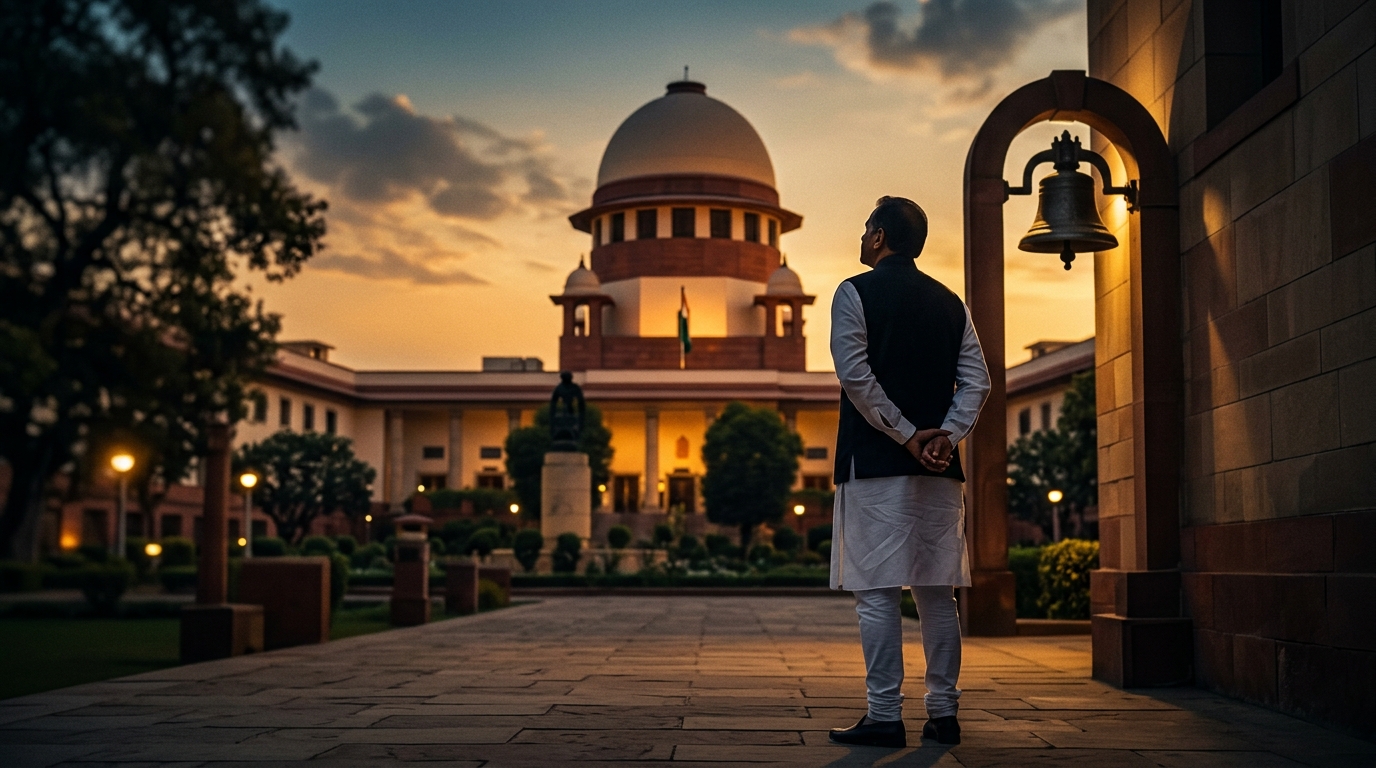
AIMPLB Supreme Court से अनुरोध करता है कि Sabarimala समीक्षा में आवश्यक धार्मिक प्रथाओं को परिभाषित करने से बचें
All India Muslim Personal Law Board (AIMPLB) ने Supreme Court को यह प्रस्तुत किया है कि अदालतों को Sabarimala समीक्षा मामले में यह तय नहीं करना चाहिए कि क्या “essential religious practice” है, यह चेतावनी देते हुए कि ऐसी न्यायिक जांच Articles 25 और 26 का उल्लंघन करती है। यह सार्वजनिक व्यवस्था, नैतिकता और लिंग‑धर्म सह-अस्तित्व पर ध्यान केंद्रित करने का आग्रह करता है, धार्मिक स्वतंत्रता की व्याख्या में संतुलित, धर्मनिरपेक्ष दृष्टिकोण की आवश्यकता को उजागर करता है।
Overview The AIMPLB has filed written submissions in the Supreme Court on the Sabarimala reference case. The Board cautions that courts should not determine what is an “essential religious practice”, arguing that such determinations breach the freedom of religion guaranteed under Article 25 and Article 26 . The nine‑judge bench is slated to hear the matter from 7 April 2026. Key Developments The AIMPLB argues that the doctrine of ERP imposes an unfair evidentiary burden on faith‑holders. It recommends shifting focus to whether state restrictions satisfy constitutional limits of public order , morality and health. The Board stresses that morality should balance constitutional morality with the moral principles of the religion concerned, unless they are diametrically opposed to constitutional values. Gender and religion are presented as co‑existent identities; the Board warns against treating them as mutually exclusive in legal analysis. It highlights that facially neutral policies may have disparate impacts on minority faiths, citing the “sunrise‑to‑sunset” rule for protected monuments that restricts Namaz in mosques within heritage sites. Important Facts • The Sabarimala case originated from the 2018 verdict allowing women of all ages entry into the Lord Ayyappa temple. • In November 2019, the Supreme Court referred questions on religious freedom to a larger bench for review. • The AIMPLB’s submissions were prepared by Senior Advocate MR Shamshad and
  1. Home
  2. Prepare
  3. Current Affairs
  4. AIMPLB Supreme Court से अनुरोध करता है कि Sabarimala समीक्षा में आवश्यक धार्मिक प्रथाओं को परिभाषित करने से बचें
Login to bookmark articles
Login to mark articles as complete

Overview

Full Article

Read Original on livelaw

Analysis

Related:Daily•Weekly

Loading related articles...

Loading related articles...

Tip: Click articles above to read more from the same date, or use the back button to see all articles.

Explore:Current Affairs·Editorial Analysis·Govt Schemes·Study Materials·Previous Year Questions·UPSC GPT