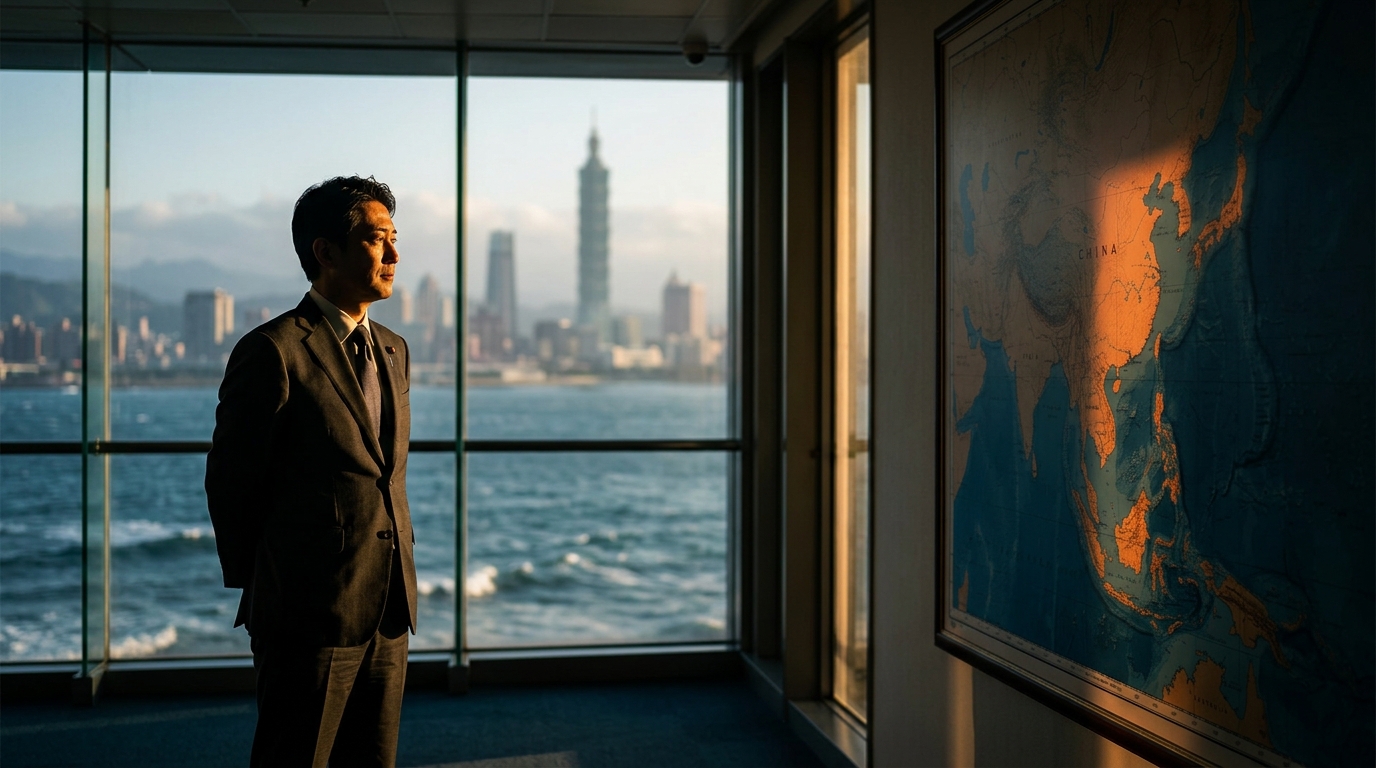
On 30 March 2026, the People’s Republic of China imposed sanctions on Japanese parliamentarian Keiji Furuya, a close aide to Prime Minister Sanae Takaichi. Beijing barred his entry, froze any assets in China and accused him of colluding with Taiwan independence forces. The move escalates an already tense diplomatic row over the island’s status.
Key Developments
- China’s Foreign Ministry announced an immediate travel ban on Furuya and the freezing of his property in China.
- Furuya, as head of a cross‑party Japan‑Taiwan lawmakers group, visited Taiwan several times, most recently meeting President Lai Ching‑te in Taipei.
- Beijing described Furuya’s trips as "gross interference" in China’s internal affairs, alleging they undermine the One China principle and China’s territorial integrity.
- Japan’s ruling Liberal Democratic Party faces domestic pressure as Prime Minister Takaichi previously warned that a Chinese attack on Taiwan could trigger a Japanese military response.
- Earlier in 2025, China also sanctioned Japan‑born lawmaker Seki Hei, indicating a pattern of punitive measures against Japanese officials engaging with Taiwan.
Important Facts
The sanctions are limited to travel restrictions and asset freezes within Chinese jurisdiction; they do not affect Furuya’s holdings elsewhere. Furuya responded that his visits are a parliamentary function, noting he has not set foot in mainland China for decades and holds no Chinese assets. The episode reflects broader strategic competition in the Indo‑Pacific, where Japan is aligning more closely with the United States and Taiwan against perceived Chinese aggression.
Exam Relevance
Understanding this development is crucial for GS 2 (Polity & International Relations). It illustrates:
- China’s use of sanctions as a tool of foreign policy.
- The fragility of the One China principle in bilateral ties.
- Japan’s evolving security posture, especially the debate over a possible military response to a Chinese attack on Taiwan, which ties into GS 1 (History of regional conflicts) and GS 4 (Ethics of defence policy).
Way Forward
Analysts suggest three possible trajectories:
- Diplomatic engagement: Japan may seek a quiet diplomatic channel to de‑escalate, emphasizing parliamentary dialogue rather than official state visits.
- Strategic alignment: Tokyo could deepen security cooperation with Washington and Taipei, reinforcing the Quad framework and signalling deterrence.
- Domestic political calculus: The LDP must balance nationalist sentiment at home with the economic costs of a China‑Japan fallout.
For UPSC aspirants, tracking such incidents helps gauge the shifting balance of power in East Asia and the role of non‑military tools—like sanctions—in contemporary geopolitics.