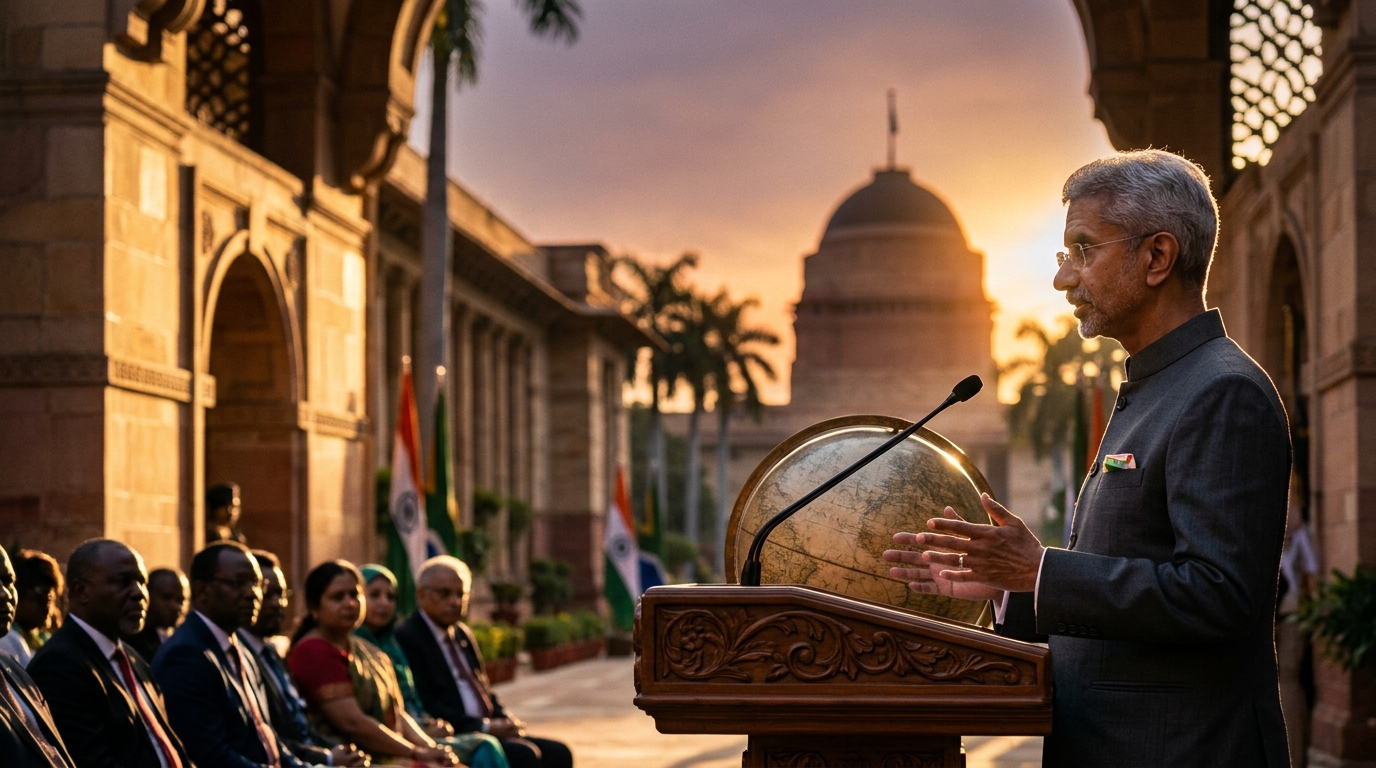
India and IAFS are set to reconvene from 28‑31 May 2026 under the banner ‘Enduring Partnership – Shared Vision’. The launch of the summit’s theme, website and logo was made by External Affairs Minister S. Jaishankar in New Delhi, signalling a renewed focus on stability amid global uncertainties.
Key Developments
- Jaishankar highlighted that India‑Africa ties are rooted in a common struggle against colonial rule, emphasizing historical solidarity.
- The minister described the partnership as a source of "stability in a turbulent world", stressing reliability and solidarity.
- Priority areas identified are development partnership and capacity building between India and African nations.
- The summit will be attended by heads of missions and ambassadors from African countries, reflecting diplomatic depth.
Important Facts
The previous edition, IAFS‑III, took place in 2015. The current theme, ‘Enduring Partnership – Shared Vision’, underscores continuity and a forward‑looking agenda. Jaishankar framed the partnership against the backdrop of geo‑political and geo‑economic challenges confronting the world.
Exam Relevance
For GS2 (Polity & International Relations), the summit illustrates India’s diplomatic outreach, soft power, and strategic alignment with a continent sharing a colonial past. The historical linkages provide a case study for post‑colonial foreign policy. In GS3 (Economy), the focus on development partnership and capacity building highlights avenues for trade, investment, and technology transfer, aligning with India’s ‘Act East’ and ‘Neighbourhood First’ strategies.
Way Forward
Stakeholders should monitor the outcomes of IAFS‑IV, especially any MoUs on infrastructure, renewable energy, and skill development. Aspirants must assess how India leverages these ties to counterbalance other global powers in Africa, and how the partnership contributes to India’s broader foreign policy objectives.