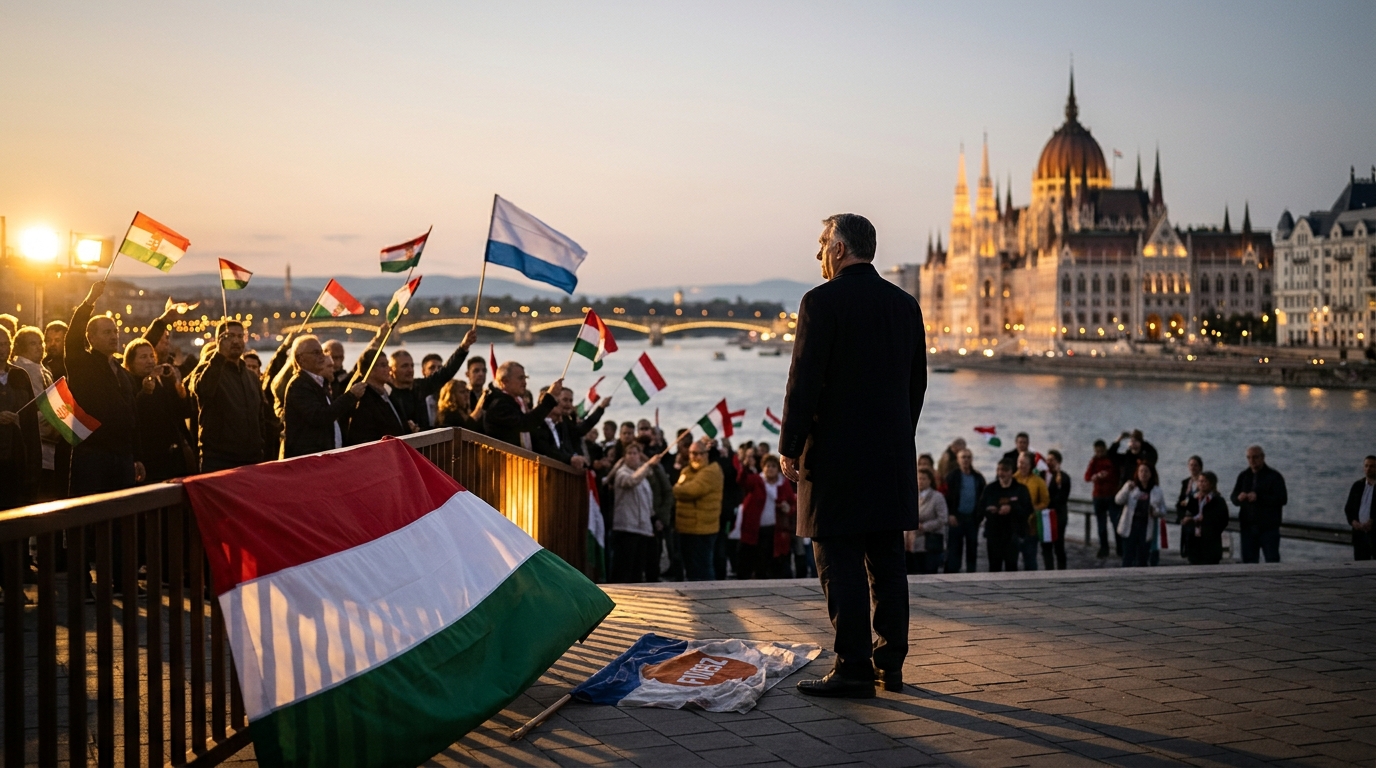
<p>हंगरी में <strong>2026 के संसदीय चुनाव</strong> ने <strong>16‑साल</strong> के शासन को समाप्त किया <span class="key-term" data-definition="Viktor Orbán — Prime Minister of Hungary and leader of the right‑wing Fidesz party; his tenure is a case study in GS2: Polity for the challenges of populist governance (2026)">Viktor Orbán</span>. उनकी पार्टी, <span class="key-term" data-definition="Fidesz — Hungary’s centre‑right party led by Orbán, known for pursuing an ‘illiberal’ democratic model; relevant to GS2: Polity and comparative politics">Fidesz</span>, को भारी हार का सामना करना पड़ा, जबकि मध्य‑दाएँ <span class="key-term" data-definition="Tisza party — New political formation led by Péter Magyar that secured a majority of seats in the 2026 election; an example of party realignment in GS2: Polity">Tisza party</span> ने <strong>199 में से 136</strong> सीटें जीतीं।</p>
<h3>Key Developments</h3>
<ul>
<li>Fidesz ने निरंतर शासन के <strong>16 साल</strong> के बाद अपनी संसद में बहुमत खो दिया।</li>
<li>Tisza पार्टी, जिसका नेतृत्व <span class="key-term" data-definition="Péter Magyar — Leader of the Tisza party; his rise illustrates the dynamics of opposition politics in GS2: Polity (2026)">Péter Magyar</span> कर रहे हैं, ने <strong>136 सीटें</strong> सुरक्षित कीं, जिससे स्पष्ट बहुमत बन गया।</li>
<li>विशेषज्ञ, जिनमें <span class="key-term" data-definition="Gulshan Sachdeva — Political analyst who views the result as a setback for the illiberal model of democracy; his commentary is pertinent to GS2: Polity (2026)">Gulshan Sachdeva</span> शामिल हैं, इस परिणाम को यूरोप में “illiberal” लोकतांत्रिक प्रवृत्ति के लिए एक झटका मानते हैं।</li>
</ul>
<h3>Important Facts & Concepts</h3>
<p>परिणाम को समझने के लिए दो विपरीत लोकतांत्रिक मॉडलों की समझ आवश्यक है:</p>
<p><span class="key-term" data-definition="illiberal democracy — A system where elections occur but civil liberties, rule of law and checks on power are weakened; a key topic in GS2: Polity (2026)">Illiberal democracy</span> चुनावी वैधता पर जोर देती है जबकि स्वतंत्रताओं को सीमित करती है, अक्सर राष्ट्रीयतावादी या सुरक्षा कथाओं द्वारा उचित ठहराई जाती है।</p>
<p>इसके विपरीत, <span class="key-term" data-definition="liberal democracy — A form of governance built on rule of law, universal suffrage, protection of civil rights and institutional checks; central to GS2: Polity (2026)">liberal democracy</span> <span class="key-term" data-definition="rule of law — Principle that all individuals and institutions are subject to and accountable under law; fundamental to GS2: Polity (2026)">rule of law</span>, <span class="key-term" data-definition="universal suffrage — The right of all adult citizens to vote without discrimination; a cornerstone of democratic legitimacy (GS2: Polity)">universal suffrage</span>, और स्वतंत्र न्यायपालिका पर आधारित है।</p>
<p>Marc F. Plattner के अनुसार ...</p>