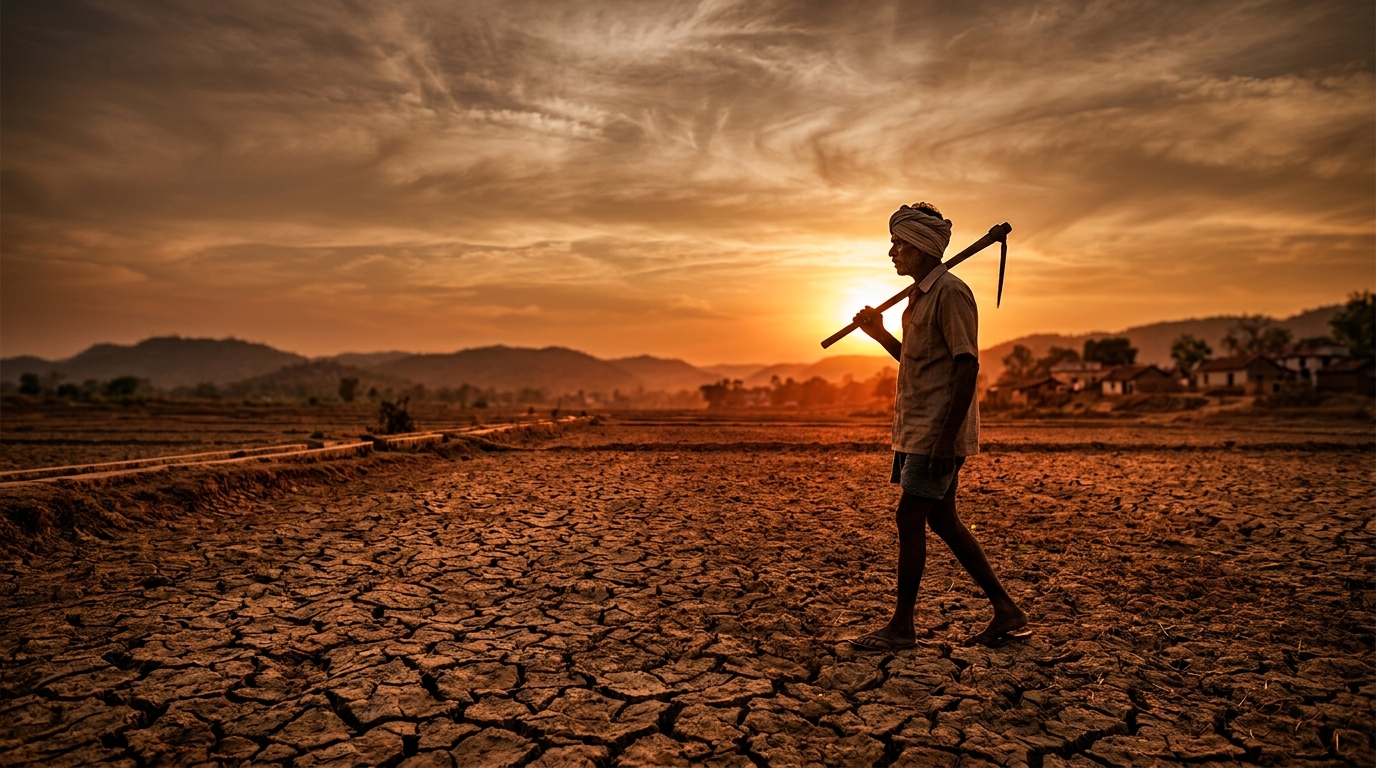
IMD’s Seasonal Outlook for April‑June 2026
The IMD released its monthly forecast on 31 March 2026. It warns that several regions will experience more heat‑wave days than usual during the pre‑monsoon months (April‑June). While many parts of the country will see normal to below‑normal maximum temperatures, the east, northeast, parts of central India and the southern peninsular zone are projected to face above‑normal highs.
Key Developments
- Above‑normal maximum temperatures expected in east, northeast, eastern central and adjoining peninsular regions during April‑June.
- Most of the country will record minimum temperatures above normal, except isolated pockets in Maharashtra and Telangana where they remain normal to below normal.
- April 2026: Monthly maximum temperatures normal to below normal in many areas, but above‑normal in east, northeast, parts of northwest and southern peninsular India.
- April 2026: rainfall likely above normal on a national average, with normal to above‑normal in most regions except the northeast, which may see below‑normal precipitation.
Important Facts
• Heat‑wave days refer to days when maximum temperature exceeds the climatological threshold for that region, increasing health and agricultural risks.
• The forecast highlights a spatial contrast: while the western and central interiors may enjoy milder maxima, the eastern belt (including states like West Bengal, Odisha, Jharkhand) and the southern peninsula (parts of Karnataka, Tamil Nadu) will bear the brunt of heat.
• Minimum temperature anomalies are crucial because they reduce nocturnal relief, aggravating heat‑related morbidity.
Exam Relevance
Understanding seasonal weather patterns is essential for multiple GS papers:
- GS 3 – Environment & Climate: Links between temperature anomalies, heat‑wave incidence, and climate change.
- GS 2 – Polity: Role of the IMD in early warning systems and coordination with state disaster management authorities.
- GS 1 – Geography: Spatial distribution of temperature and rainfall anomalies across Indian physiographic divisions.
- GS 4 – Ethics & Governance: Policy implications for public health preparedness, especially for vulnerable populations.
Way Forward
1. Strengthen early warning mechanisms by integrating IMD forecasts with state health departments to issue heat‑wave alerts.
2. Promote adaptive agricultural practices in the affected eastern and peninsular zones, such as heat‑tolerant crop varieties and altered sowing dates.
3. Enhance urban heat‑mitigation through green cover, reflective roofing and water‑body conservation in cities prone to high minimum temperatures.
4. Monitor rainfall deviations to pre‑empt water‑stress and plan reservoir releases, especially in the northeast where below‑normal precipitation is projected.
Overall, the IMD’s outlook underscores the need for coordinated climate‑responsive policies across health, agriculture, and disaster management sectors.