Situation Overview
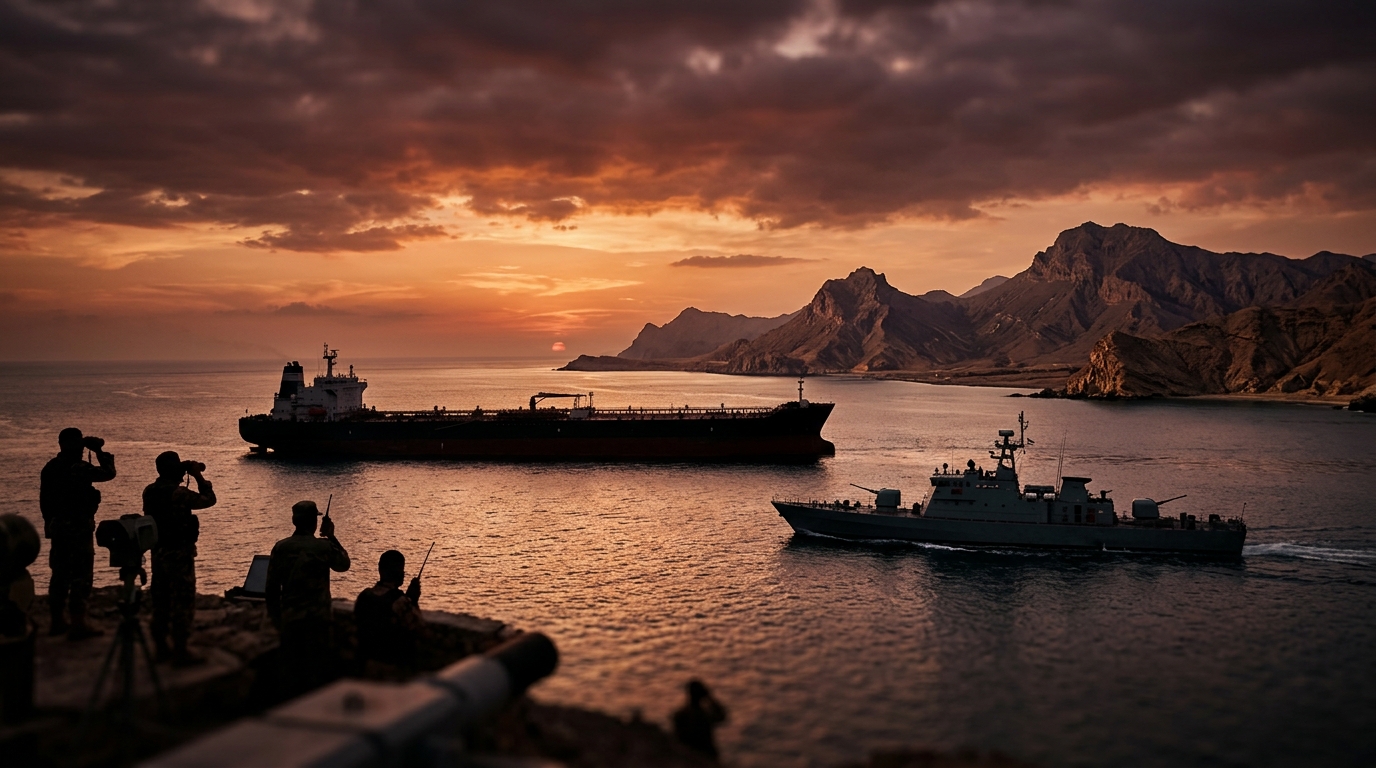
On Saturday, 18 April 2026, the Strait of Hormuz was again sealed off after Iran’s IRGC navy warned that any vessel moving from anchorage in the Persian Gulf or the Sea of Oman would be deemed a collaborator with the enemy and could be targeted. The move came as retaliation for the ongoing U.S. blockade of Iranian ports.
Key Developments
- Iran reversed its earlier decision to reopen the waterway and opened fire on ships attempting to transit.
- The IRGC specifically stopped two energy‑carrying vessels bound for India.
- Vikram Misri, India’s Foreign Secretary, met Iran’s ambassador Mohammad Fathali to convey “deep concern” over the incident.
- The standoff threatens to exacerbate the global energy crisis as roughly one‑fifth of world oil normally passes through the strait.
Important Facts
• The strait handles about 20% of global oil shipments, making any disruption a direct risk to oil prices and supply.
• This is the first recorded instance of Iran preventing India‑bound oil tankers during the current cease‑fire phase of the U.S.–Iran conflict.
• The conflict is now in its eighth week, with the risk of broader regional escalation rising.
Exam Relevance
Understanding the dynamics of the Strait of Hormuz is essential for GS‑3 (Economy) as it directly impacts India’s energy security and global oil markets. The role of the IRGC illustrates the intertwining of military strategy and foreign policy, a key theme in GS‑2 (Polity). The diplomatic engagement by Vikram Misri underscores the importance of diplomatic channels in crisis management, relevant for both GS‑2 and GS‑4 (Ethics). Finally, the U.S. blockade highlights the use of economic sanctions as a tool of coercive diplomacy.
Way Forward
• India should diversify oil import routes, possibly increasing reliance on the South‑East Asian maritime corridor and boosting strategic petroleum reserves.
• Diplomatic efforts must intensify through multilateral forums (e.g., UN, OIC) to de‑escalate the standoff and seek a negotiated reopening of the strait.
• Monitoring of global oil price trends and contingency planning for supply disruptions should be integrated into the Ministry of Petroleum and Natural Gas’s risk‑assessment framework.
• Long‑term, India could explore renewable energy investments to reduce vulnerability to such geopolitical shocks.