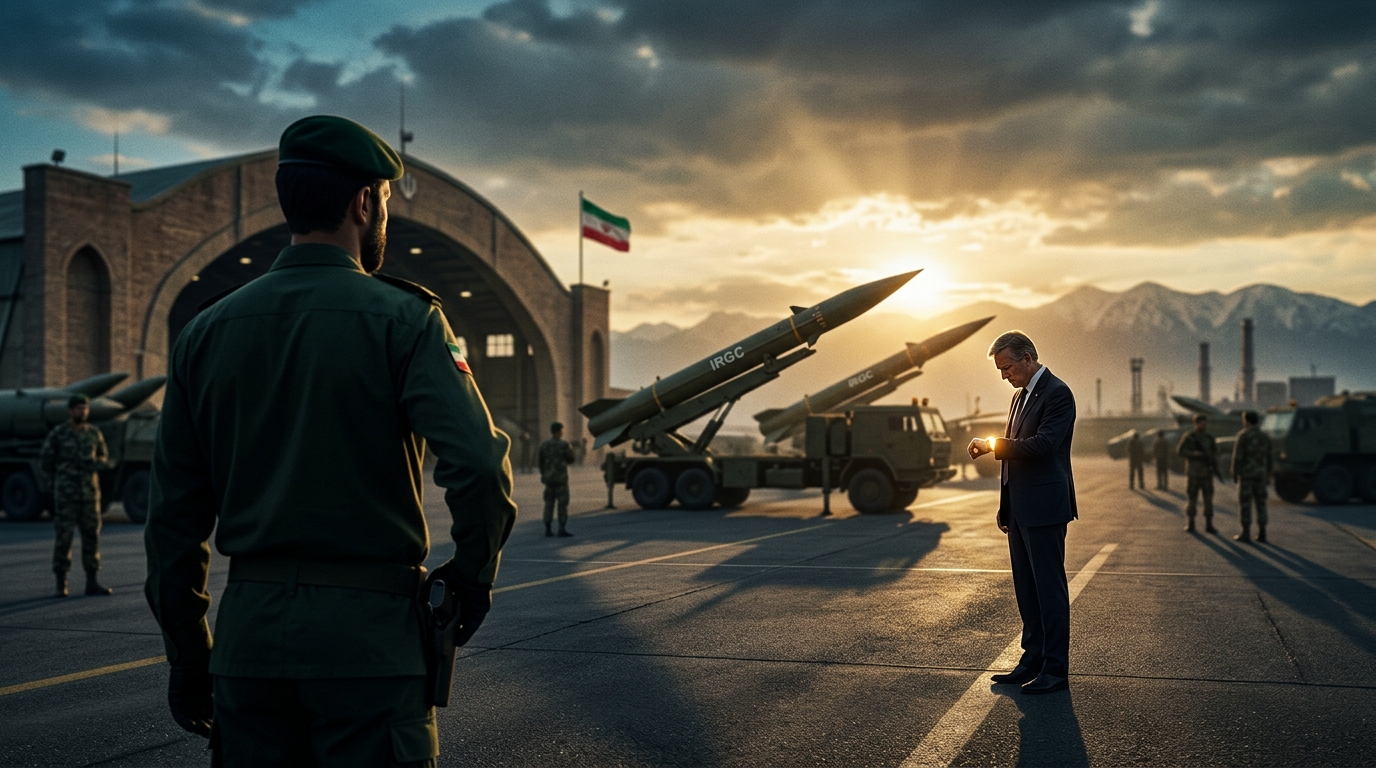
Iran Rejects Trump’s 48‑Hour Ultimatum Over Peace Deal – Escalating US‑Iran Tensions
Overview
On April 4, 2026, the Iran central military command dismissed a fresh threat issued by President Donald Trump. Trump had warned that Tehran must accept a peace deal within 48 hours or face “all Hell”, echoing a previous March 26 ultimatum that mentioned the Hormuz Strait. Iran’s response, delivered by General Ali Abdollahi Aliabadi, called the threat “helpless, nervous, unbalanced and stupid”.
Key Developments
- Trump’s Truth Social post warned of “all Hell” if Iran did not sign a deal within 48 hours.
- Iran’s Khatam al‑Anbiya Central Headquarters labeled the threat “stupid” and warned that “the gates of hell will open for you”.
- Iranian media reported that the entire region could become a “hell” if attacks escalated, signalling a broader regional warning.
- The standoff occurs as the U.S. searches for a downed American airman in Iran, adding a tactical dimension to the diplomatic crisis.
- Public opinion in the United States shows low support for the war, reducing domestic political pressure for escalation.
Important Facts
• The earlier March 26 ultimatum gave Iran ten days to either make a deal or face the closure of the Hormuz Strait.
• The conflict entered its sixth week, with no formal peace talks underway.
• Reuters provided the primary source of the statements, underscoring the role of international news agencies in shaping global narratives.
Exam Relevance
1. International Relations (GS2/GS3): The episode illustrates the use of coercive diplomacy, the impact of personalised leadership on foreign policy, and the strategic importance of the Persian Gulf region.
2. Security Studies (GS2): Threats to the Hormuz Strait affect global energy security, a recurring UPSC theme.
3. Media & Public Opinion (GS4): Trump’s use of Truth Social highlights how modern leaders shape narratives directly with the public, relevant for ethics and governance.
Way Forward
• Diplomatic Engagement: Both sides could benefit from back‑channel talks mediated by neutral powers (e.g., EU, UN) to de‑escalate rhetoric.
• Regional Confidence‑Building: Initiatives to secure the Hormuz Strait—such as joint naval patrols—could reduce the risk of inadvertent escalation.
• Domestic Consensus: In the United States, policymakers need to gauge public sentiment before committing to further military action, aligning with democratic accountability principles.
Overall, the episode underscores how high‑stakes rhetoric can quickly translate into regional security concerns, a pattern that UPSC aspirants must analyse within the broader context of South‑Asia’s strategic environment.