Overview
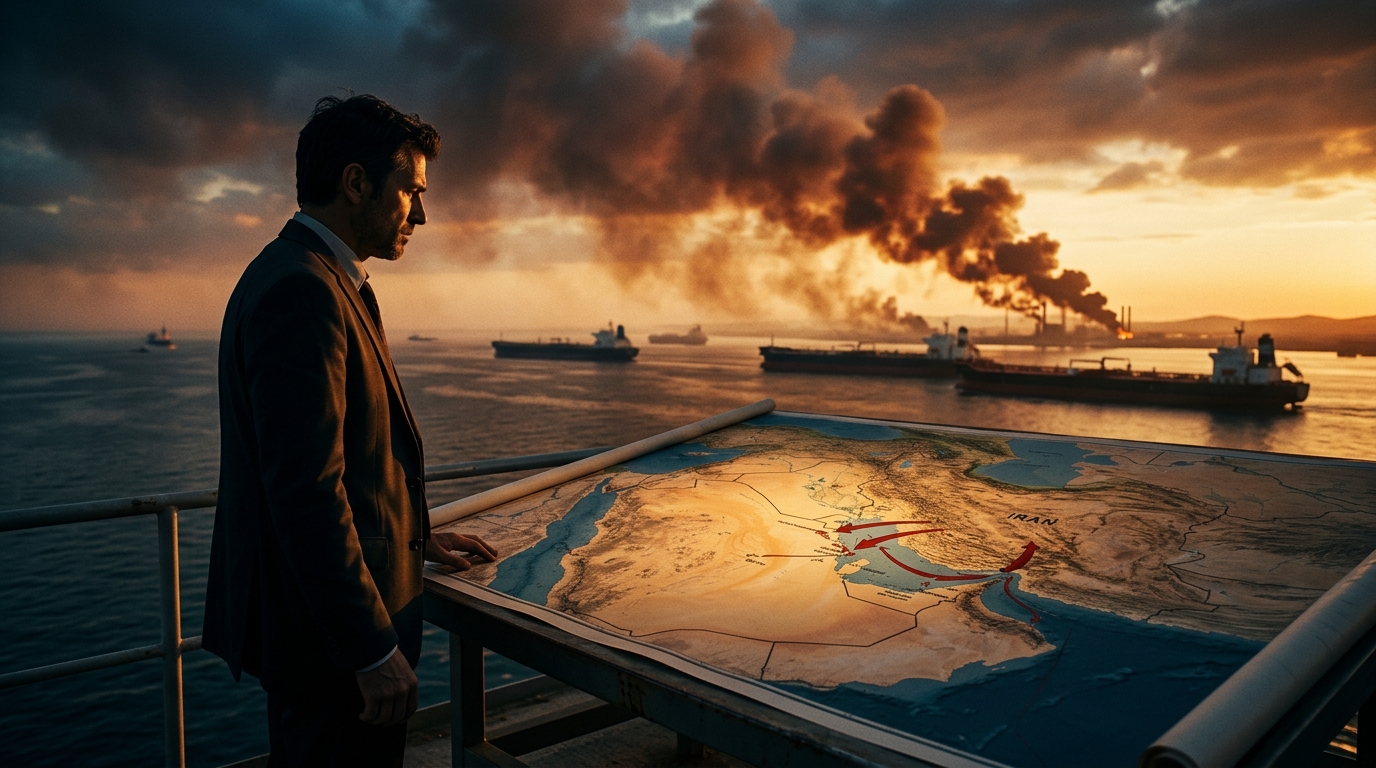
On 10 March 2026, Iran launched a fresh wave of missile and drone attacks on Gulf Arab states, intensifying pressure on the region’s energy infrastructure and the strategic Strait of Hormuz. Simultaneously, a pro‑Iranian militia in northern Iraq was hit by an airstrike that killed five militants.
Key Developments (Bullet Points)
- Missile sirens sounded in Dubai (UAE) and Bahrain early morning.
- Saudi Arabia reported destroying two hostile drones over its eastern oil‑rich region.
- Kuwait’s National Guard intercepted six drones.
- Iran continued targeting energy infrastructure and merchant vessels in the Strait of Hormuz, halting tanker traffic.
- Brent crude spiked to ~$120 per barrel on 9 March, later settling around $90 on 10 March – a 24% rise since the conflict began on 28 February.
- U.S. President Donald Trump downplayed the conflict as a “short‑term excursion,” while Iran’s Revolutionary Guard warned of a decisive response.
- Pro‑Iran militias, including the Popular Mobilisation Forces’ 40th Brigade in Kirkuk, suffered an airstrike killing five militants.
Important Facts
Since the war’s inception, casualties reported include 1,230 deaths in Iran, 397 in Lebanon, 11 in Israel, and seven U.S. service members. Attacks on merchant ships near the Strait of Hormuz have claimed at least seven sailors, according to the International Maritime Organization.
Exam Relevance
The episode illustrates several core UPSC themes:
- Geopolitics of Energy Security: Control over the Strait of Hormuz directly impacts global oil markets, a frequent GS3 question.
- Non‑State Actors: The role of the IRGC, PMF, and Hezbollah highlight the complexity of modern warfare.
- International Diplomacy: Statements by Kamal Kharazi and the lack of diplomatic space underscore the challenges of conflict resolution in the Middle East.
- Economic Impact: Surge in Brent crude demonstrates how regional hostilities translate into macro‑economic pressures worldwide.
Way Forward
For policymakers and aspirants, the following points merit attention:
- Strengthen multilateral mechanisms (e.g., UN, IAEA) to safeguard the Strait of Hormuz and ensure free navigation of oil tankers.
- Enhance regional security cooperation among Gulf Cooperation Council (GCC) states to counter drone and missile threats.
- Develop contingency plans for energy price volatility, including strategic petroleum reserves and diversification of energy imports.
- Engage in diplomatic outreach to de‑escalate proxy confrontations involving the IRGC, Hezbollah, and the PMF.