Overview
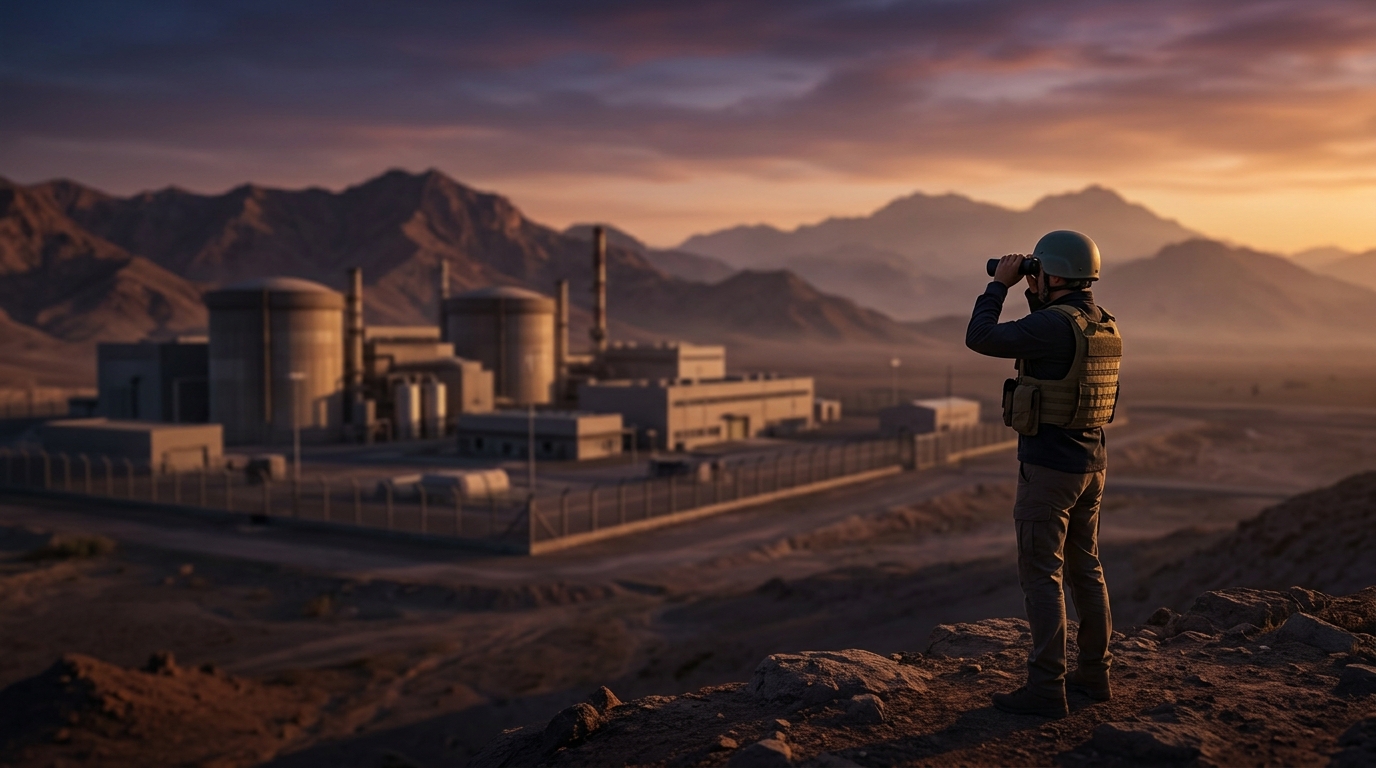
The June 2025 twelve‑day conflict between Israel and Iran, accompanied by U.S. B‑2 bombers striking Iranian nuclear sites, ended with Israel proclaiming a “historic victory”. While U.S. officials claimed the strikes “obliterated” Iran’s nuclear facilities, leaked intelligence assessments suggest only a short‑term setback of a few months. The article analyses the technical state of Iran’s enrichment programme, the diplomatic backdrop of the JCPOA, and the implications for India’s UPSC aspirants.
Key Developments (June 2025)
- U.S. B‑2 strikes targeted Natanz and Fordow facilities; Iran’s response remained tacit.
- U.S. intelligence leaked that Iran’s nuclear programme was set back only by “a few months”, not destroyed.
- IAEA chief Rafael Grossi warned Iran could resume enrichment within months.
- European intelligence indicated pre‑emptive dispersal of enriched uranium before the strikes.
- Iran suspended cooperation with the IAEA after the attacks, effectively “going dark”.
Important Technical Facts
Iran’s enrichment capacity is built around centrifuge cascades measured in SWUs. By 2025, Iran could produce 168‑269 kg of 60 % HEU in two weeks, enough for 5‑8 nuclear warheads (≈70 kg of 60 % HEU). The Fordow site, though heavily targeted, remains operational and under repair.
Enrichment from natural uranium (0.7 % U‑235) to 60 % HEU requires roughly 126 SWU per kilogram; moving from 60 % to 90 % weapons‑grade needs only about 2 SWU, meaning 60 % HEU is already >90 % of the work needed for a bomb.
Exam Relevance
- Geopolitics & Security (GS1/GS2): The conflict illustrates the interplay of regional rivalries, U.S. strategic interests, and non‑proliferation diplomacy.
- International Law (GS2): Issues of treaty compliance (NPT, JCPOA) and the legality of pre‑emptive strikes.
- Science & Technology (GS3): Understanding centrifuge technology, enrichment levels, and the concept of NPT obligations.
- Policy Formulation (GS2): Evaluating the efficacy of sanctions, snap‑back mechanisms, and diplomatic engagement versus military action.
Way Forward
For policymakers, the key challenges are to (i) restore IAEA access to verify Iran’s nuclear inventory, (ii) strengthen the snap‑back clause of the 2025 sanctions framework, and (iii) pursue a calibrated diplomatic track that balances regional security concerns with non‑proliferation goals. Aspirants should monitor forthcoming UN Security Council resolutions, IAEA reports, and the evolving stance of the United States and Israel, as these will shape future exam questions on international security and nuclear governance.