Overview
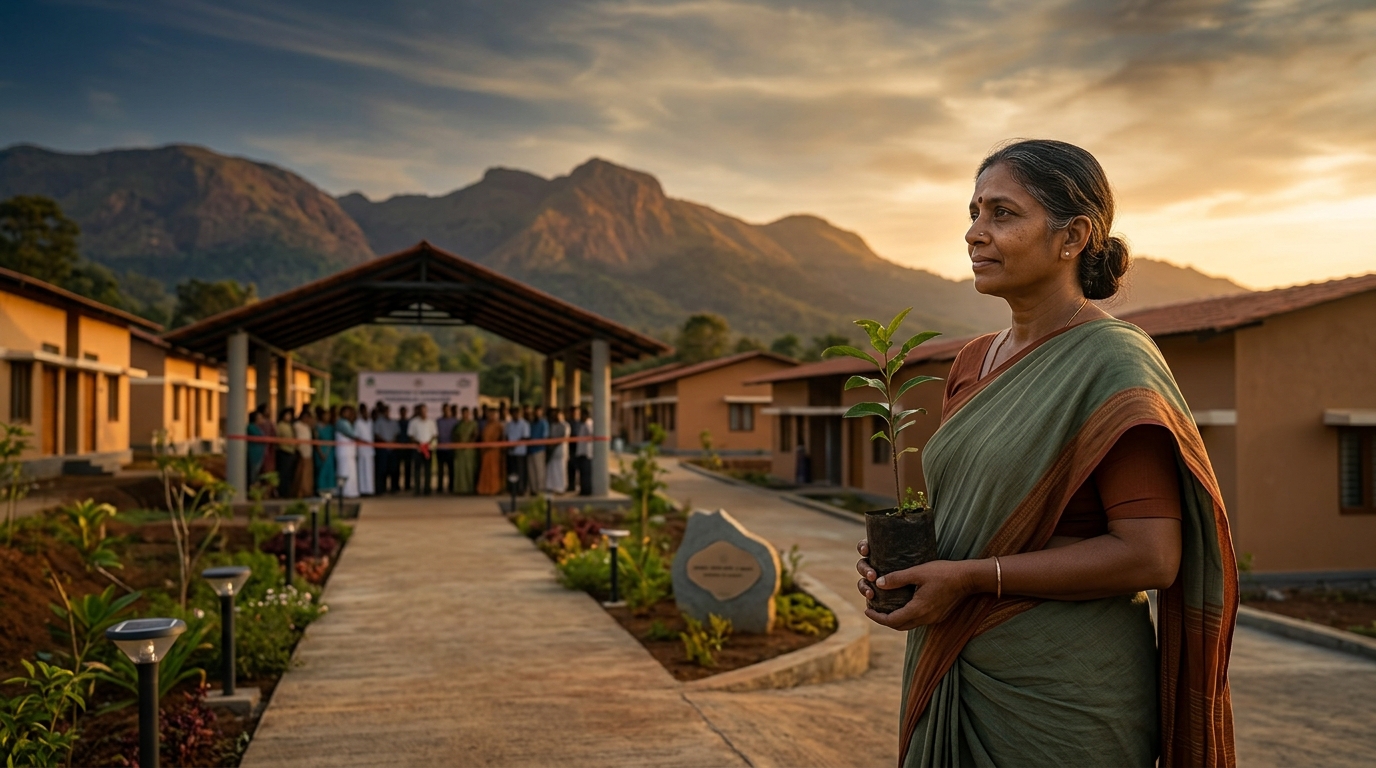
On February 25, 2026, Chief Minister Pinarayi Vijayan of the Left Democratic Front (LDF) announced the inauguration of the first phase of the Kalpetta township in Wayanad district. The township, built on the Elstone Estate, is a dedicated rehabilitation settlement for survivors of the Mundakkai‑Chooralmala landslides that struck the region in 2023. The move comes at a critical juncture as Kerala braces for the 2026 Assembly elections, positioning the project as a showcase of the so‑called “Kerala model” of crisis management and governance.
Key Developments
- Inauguration of Phase‑1: A total of 178 houses will be handed over to the landslide survivors, marking the first tangible delivery of the government’s pledge.
- Rehabilitation Target: The administration aims to provide land and houses to 327 beneficiaries before the onset of the next monsoon, ensuring complete rehabilitation.
- Political Narrative: CM Vijayan framed the project as a “sacred pledge” fulfilled, countering earlier accusations that the state had delayed or denied aid, thereby reinforcing the LDF’s governance credentials ahead of the elections.
Important Facts
- Disaster Scale: The Mundakkai‑Chooralmala landslides were a generational catastrophe, displacing hundreds of families and causing extensive loss of life and property.
- Community Participation: The construction involved not only government workers but also youth, schoolchildren, and well‑wishers, highlighting a collaborative approach to disaster response.
Exam Relevance
This case study intersects with multiple sections of the UPSC syllabus. In GS Paper II (Polity & Governance), it illustrates disaster‑relief governance, public‑policy implementation, and political communication strategies. GS Paper III (Economy & Development, Disaster Management) can draw on the financial and logistical aspects of rehabilitation, the role of state‑level planning, and the “Kerala model” of welfare. For the optional subject Geography, the landslide offers a concrete example of geomorphological hazards, human‑environment interaction, and regional planning. Potential question angles include evaluating the effectiveness of state‑led rehabilitation, comparing disaster‑management frameworks across Indian states, and analysing the political impact of welfare delivery before elections.
Way Forward
While the Kalpetta township sets a benchmark for rapid, community‑driven rehabilitation, sustaining the gains will require long‑term livelihood support, infrastructure maintenance, and continuous monitoring of landslide‑prone zones. Future policy could focus on integrating climate‑resilient construction, early warning systems, and livelihood diversification to mitigate recurrence. The LDF’s ability to translate promises into concrete outcomes will likely influence voter perception in the upcoming elections, making the project a litmus test for governance‑centric political narratives.