Overview
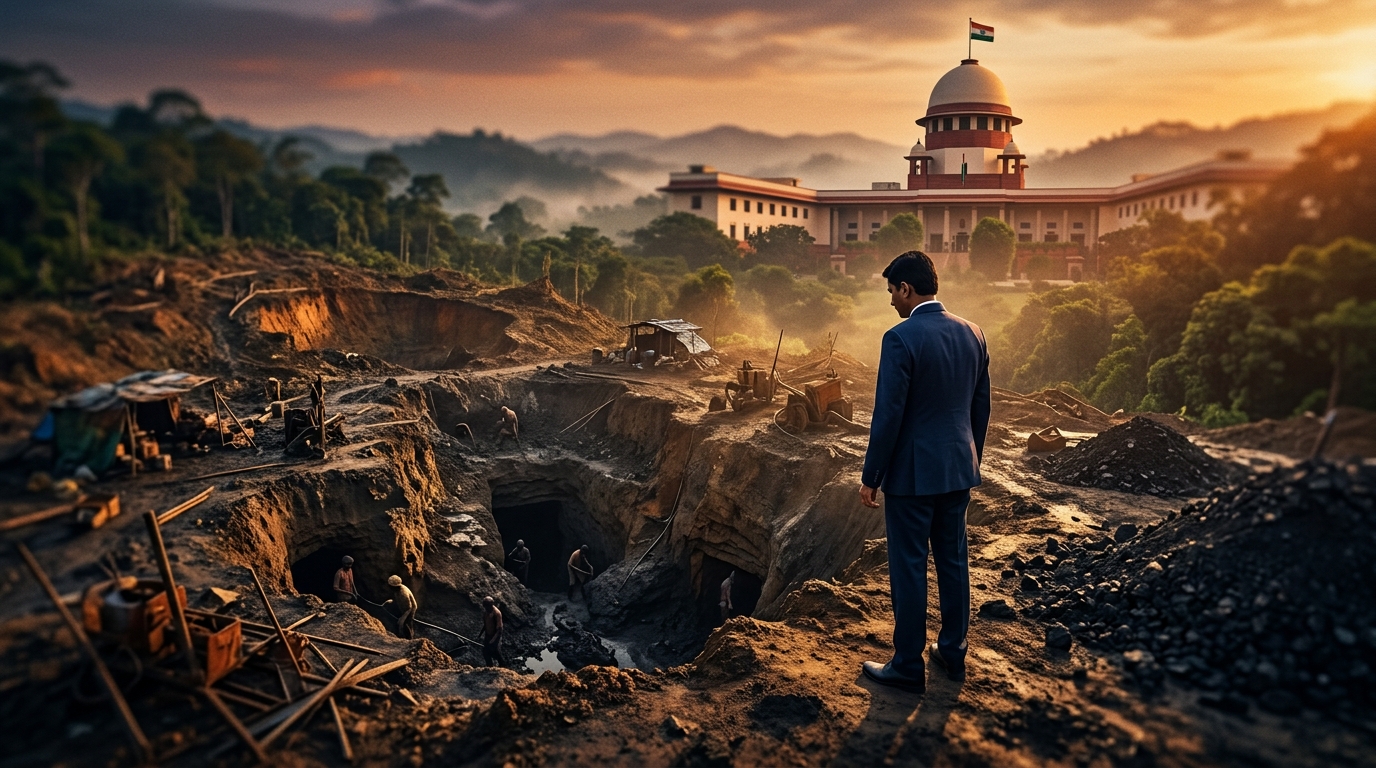
The National Green Tribunal (NGT) on 6 February 2026 issued a notice to the Meghalaya Chief Secretary and other authorities after a tragic explosion in an illegal rat‑hole coal mine in East Jaintia Hills district. The incident, which claimed several miners’ lives, was reported in the media on 5 February 2026 and prompted the tribunal to take suo‑moto cognizance, highlighting persistent violations of environmental statutes despite a blanket ban on such mining methods.
Key Developments
- Development 1: The NGT bench, chaired by Justice Prakash Shrivastava with expert member A. Senthil Vel, noted that this is the gravest mining‑related disaster since the July 2021 incident, underscoring the failure of enforcement mechanisms.
- Development 2: The tribunal reiterated that a comprehensive ban on the mining and transportation of coal in April 2014, upheld by the Supreme Court, continues to be flouted by illegal operators allegedly supported by politicians and influential locals.
- Development 3: NGT identified multiple statutory breaches, including violations of the Air (Prevention and Control of Pollution) Act, the Indian Forest Act, and the Environment Protection Act, and ordered the respondents to file affidavits by 19 May 2026.
Important Facts
- Fact 1: The illegal mine was operating under the “rat‑hole” method, a hazardous technique banned by the NGT in 2014 due to its severe environmental and safety impacts.
- Fact 2: Respondents impleaded include the Meghalaya Chief Secretary, the Central Pollution Control Board (CPCB), the Shillong regional office of the Ministry of Environment, Forest and Climate Change (MoEFCC), and the Deputy Commissioner of East Jaintia Hills.
Exam Relevance
This case intertwines several UPSC‑relevant themes: environmental jurisprudence (NGT’s suo‑moto powers), implementation challenges of the Air Act, Indian Forest Act and Environment Protection Act, federal‑state coordination in disaster management, and the political economy of illegal mining. It is pertinent to GS Paper I (Environment & Ecology), GS Paper II (Governance & Polity), and optional subjects like Public Administration and Geography. Potential questions may probe the effectiveness of judicial interventions, the role of the Supreme Court in upholding environmental bans, or the socio‑economic drivers of illegal mining.
Way Forward
Strengthening on‑ground monitoring, empowering state pollution control boards, and ensuring swift punitive action against violators are essential. Integrating community‑based vigilance, leveraging satellite‑based forest‑cover monitoring, and revisiting the legal framework to close loopholes can mitigate recurrence. A coordinated policy response involving the Centre, state governments, and civil society will be crucial to safeguard both lives and the environment.