Overview
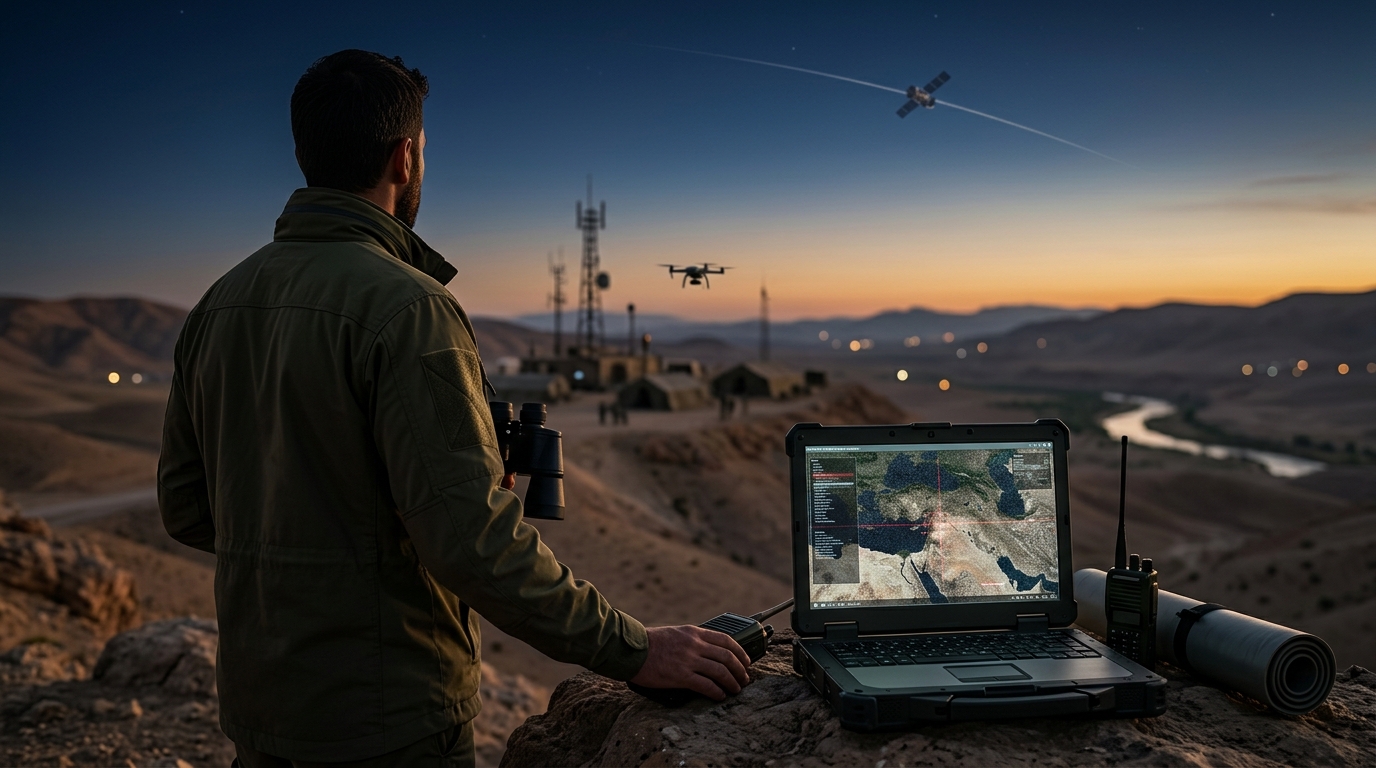
A recent Ukrainian intelligence assessment reveals that Russian satellites conducted at least 24 detailed surveys across 11 West Asian nations between 21‑31 March 2026. The imagery targeted 46 objects, including U.S. bases, airports and oil fields, to assist Iran in planning strikes against U.S. forces and other strategic sites.
Key Developments
- At least 24 satellite surveys were carried out in a ten‑day window, covering 46 critical sites.
- The surveys spanned 11 West Asian countries, indicating a broad geographic scope.
- Both Russian satellites and Iranian cyber actors coordinated, highlighting a joint cyber effort.
- Ukrainian analysts describe this as the most detailed public account of Russian support to Iran since the Feb 28, 2026 Israel‑U.S. joint assault.
Important Facts
- Objects surveyed: U.S. and allied military bases, civilian airports, oil extraction sites.
- Temporal window: 21 – 31 March 2026, a period of heightened tension after the Israel‑U.S. operation.
- Collaboration: Evidence of joint operations between Russian reconnaissance assets and Iranian hackers in the cyber domain.
Exam Relevance
Understanding this development is vital for multiple GS papers:
- GS 2 (Polity & International Relations): Illustrates Russia‑Iran strategic alignment, the role of satellite reconnaissance in modern warfare, and the impact on Indo‑Pacific security calculations.
- GS 3 (Security & Defence): Highlights the integration of space‑based surveillance with cyber operations, a growing facet of hybrid warfare.
- GS 4 (Ethics & Integrity): Raises questions about the legality of covert support under international law and the ethical implications of state‑sponsored cyber‑espionage.
Way Forward
For policymakers and aspirants, the following steps merit attention:
- Strengthen space‑based situational awareness through indigenous satellite programmes to reduce reliance on foreign data.
- Enhance cyber‑defence capabilities across defence establishments to counter coordinated state‑backed hacking.
- Promote diplomatic engagement with regional actors to de‑escalate the Russia‑Iran‑U.S. nexus, leveraging multilateral forums such as the UN Security Council.
- Incorporate lessons on hybrid warfare into the civil services training curriculum, emphasizing the convergence of satellite intelligence and cyber operations.