<h2>सारांश</h2>
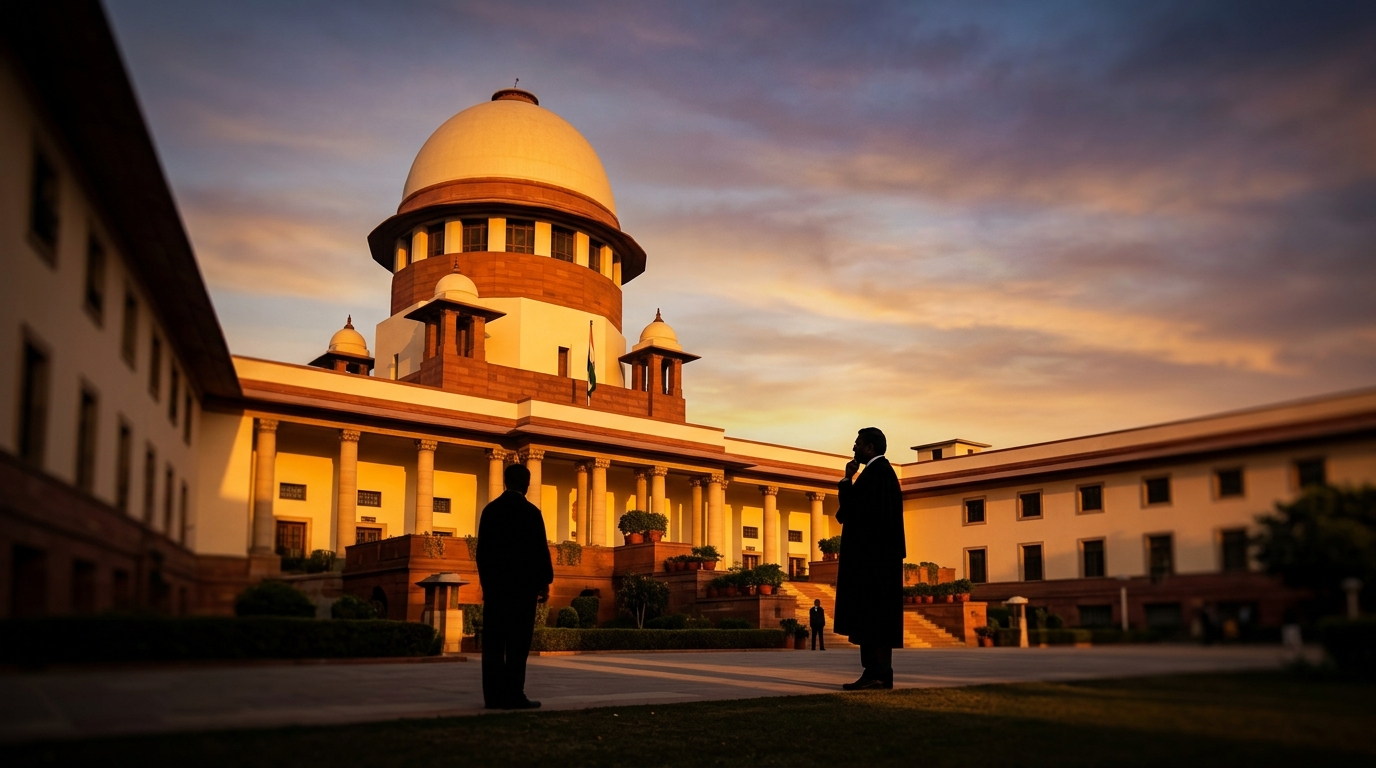
<p>On <strong>17 April 2026</strong>, the <span class="key-term" data-definition="Supreme Court – India’s apex judicial body that interprets the Constitution and settles disputes between the Union, states and citizens (GS2: Polity)">Supreme Court</span> ने Sabarimala संदर्भ पर अपनी पाँच‑दिन की सुनवाई जारी रखी। बेंच, <strong>CJI Surya Kant</strong> द्वारा नेतृत्व किया गया, नौ न्यायाधीशों से मिलकर बनी है और इस बात की जांच की कि क्या मंदिर का प्रवेश प्रतिबंध संवैधानिक गारंटी का उल्लंघन करता है।</p>
<h3>मुख्य विकास (Day 5)</h3>
<ul>
<li><strong>4:36 PM IST:</strong> Counsel Giri ने तर्क दिया कि <span class="key-term" data-definition="Article 25 – Guarantees the right to freedom of religion, including the freedom to profess, practice and propagate one's faith; it also allows the state to intervene for public welfare (GS2: Polity)">Article 25(1)</span> को व्यक्तिगत अधिकार के रूप में पढ़ा जा सकता है, जिससे एक नास्तिक को गैर‑विश्वास का दावा करने की अनुमति मिलती है। उन्होंने आगे कहा कि <span class="key-term" data-definition="Article 25(2)(b) – Permits the state to impose reasonable restrictions on religious practices for social welfare, reform or public order (GS2: Polity)">Article 25(2)(b)</span> सरकार को सार्वजनिक हिंदू स्थानों को सुधार के लिए खोलने का अधिकार देता है।</li>
<li><strong>4:05 PM IST (J. Nagarathna):</strong> न्यायाधीश ने प्रश्न किया कि क्या एक नास्तिक धार्मिक प्रथा को चुनौती दे सकता है जब वह पीड़ित पक्ष नहीं है, जिससे <span class="key-term" data-definition="Locus standi – Legal standing; the right of a party to bring a case because they are directly affected (GS2: Polity)">locus standi</span> सिद्धांत पर प्रकाश डाला गया। उन्होंने कहा कि Indian Lawyers Association जैसी समूह व्युत्पन्न लायबिलिटी का दावा कर सकता है।</li>
<li><strong>3:49 PM IST:</strong> वकील धवन ने संवैधानिक या वैधानिक कार्रवाई के कारण की पहचान की आवश्यकता पर ज़ोर दिया, Articles 14, 17 (समानता और अस्पृश्यता उन्मूलन) के तहत सार्वभौमिक मूल्यों को हस्तक्षेप के आधार के रूप में उद्धृत किया।</li>
<li><strong>3:41 PM IST:</strong> धवन ने <span class="key-term" data-definition="Guruvayur decision – A 1994 Supreme Court judgment that upheld the state’s power to regulate temple entry when practices contravene constitutional morality (GS2: Polity)">Guruvayur decision</span> का उल्लेख किया, तर्क दिया कि सामान्य उपाय मौजूद हैं और <span class="key-term" data-definition="Public Interest Litigation (PIL) – A legal mechanism allowing any public‑spirited individual or group to approach the court for enforcement of public rights (GS2: Polity)">Public Interest Litigation (PIL)</span> विशिष्ट राहत का विकल्प नहीं हो सकता।</li>
</ul>
<h3>महत्वपूर्ण तथ्य</h3>
<ul>
<li>बेंच में न्यायाधीश <strong>BV Nagarathna</strong>, न्यायाधीश <strong>MM Sundresh</strong>, न्यायाधीश <strong>Ahsa</strong> शामिल हैं।</li>
</ul>