Supreme Court’s Intervention in West Bengal Judicial Gherao
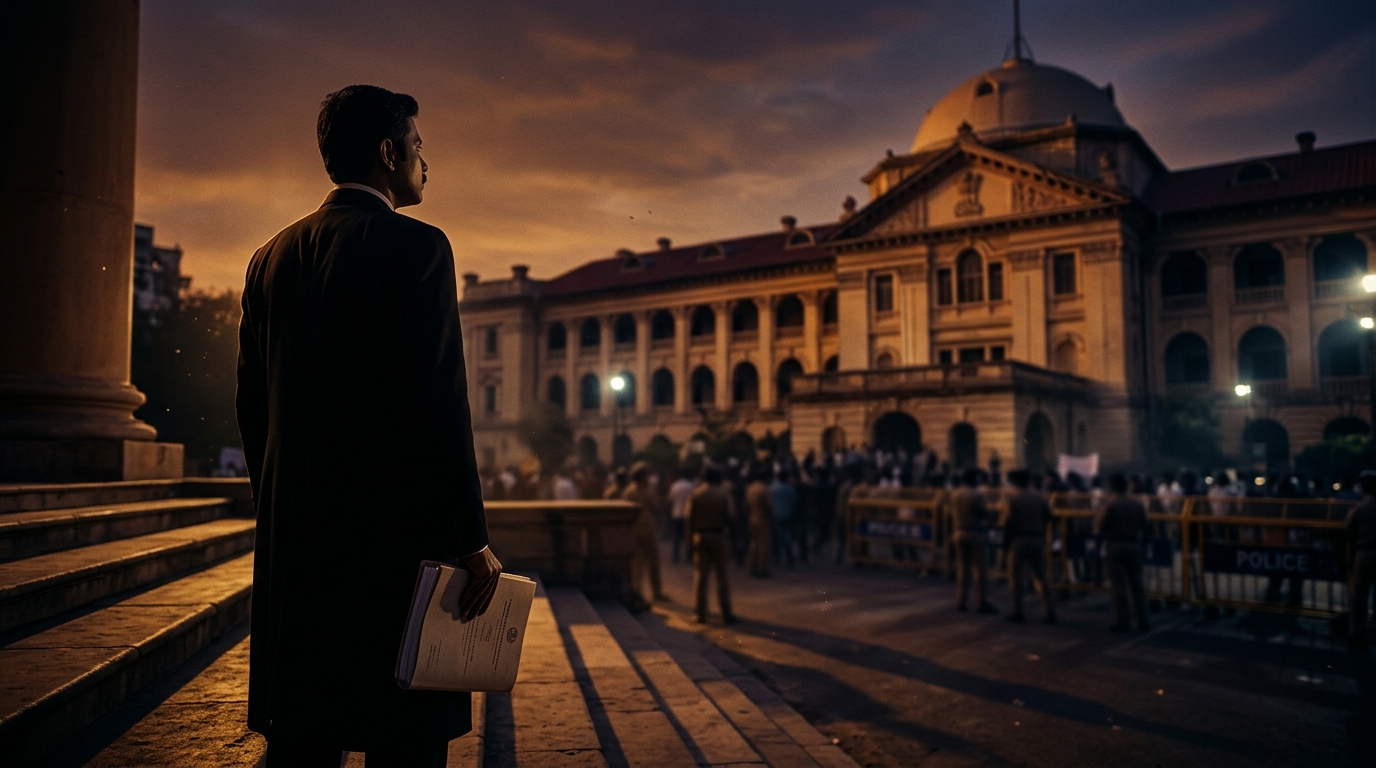
The Supreme Court on 2 April 2026 condemned the overnight gherao of seven judicial officers in Malda, West Bengal. The officers were denied food for more than seven hours after voters were struck off the electoral roll in the SIR exercise, prompting the apex court to call the act a "brazen attempt" and "criminal contempt".
Key Developments
- Judicial officers, including two women with a child, were detained from 5 p.m. on 1 April 2026 until after midnight.
- The officers were pelted with stones during rescue by police.
- Chief Justice of India Surya Kant questioned political leaders’ inaction and termed the incident a calculated move to demoralise the judiciary.
- The bench ordered an independent investigation by the CBI or the NIA.
- The ECI was directed to deploy central forces for the safety of the officers.
- High Court officials, including the Chief Justice of Calcutta High Court, had to intervene personally; senior state officials were ordered to appear online on 6 April 2026 to explain the lapse.
Important Facts
Hundreds of judicial officers have been deployed across West Bengal under a Supreme Court order to function as Election Registration Officers and adjudicate objections raised during the SIR. The gherao exposed a "complete failure of the civil and police administration" in the state, according to the bench. The Court also limited the number of persons allowed at adjudication centres to five, aiming to prevent similar mob actions.
Exam Relevance
This episode touches upon several core UPSC themes:
- Judicial independence and contempt of court – Understanding the constitutional safeguards that protect the judiciary from executive overreach (GS2).
- Electoral administration – Role of the ECI and the use of judicial officers to ensure a neutral adjudication process (GS2).
- Federalism and law‑and‑order – Interaction between state administration (Chief Secretary, DGP, District Collector) and central investigative agencies (CBI/NIA) (GS2).
- Political polarization – The Court’s observation on West Bengal’s polarized environment offers a case study for governance and public administration (GS1/GS2).
Way Forward
To prevent recurrence, the following steps are advisable:
- Strengthen protocols for immediate police response to judicial emergencies, with clear escalation ladders.
- Ensure the ECI appoints dedicated security cadres for election‑related judicial officers.
- Institutionalise regular audits by the CBI or NIA during high‑stakes electoral exercises.
- Promote political consensus on respecting judicial processes, especially in contested states.
These measures aim to safeguard the impartiality of the electoral adjudication mechanism and uphold the rule of law.