Overview
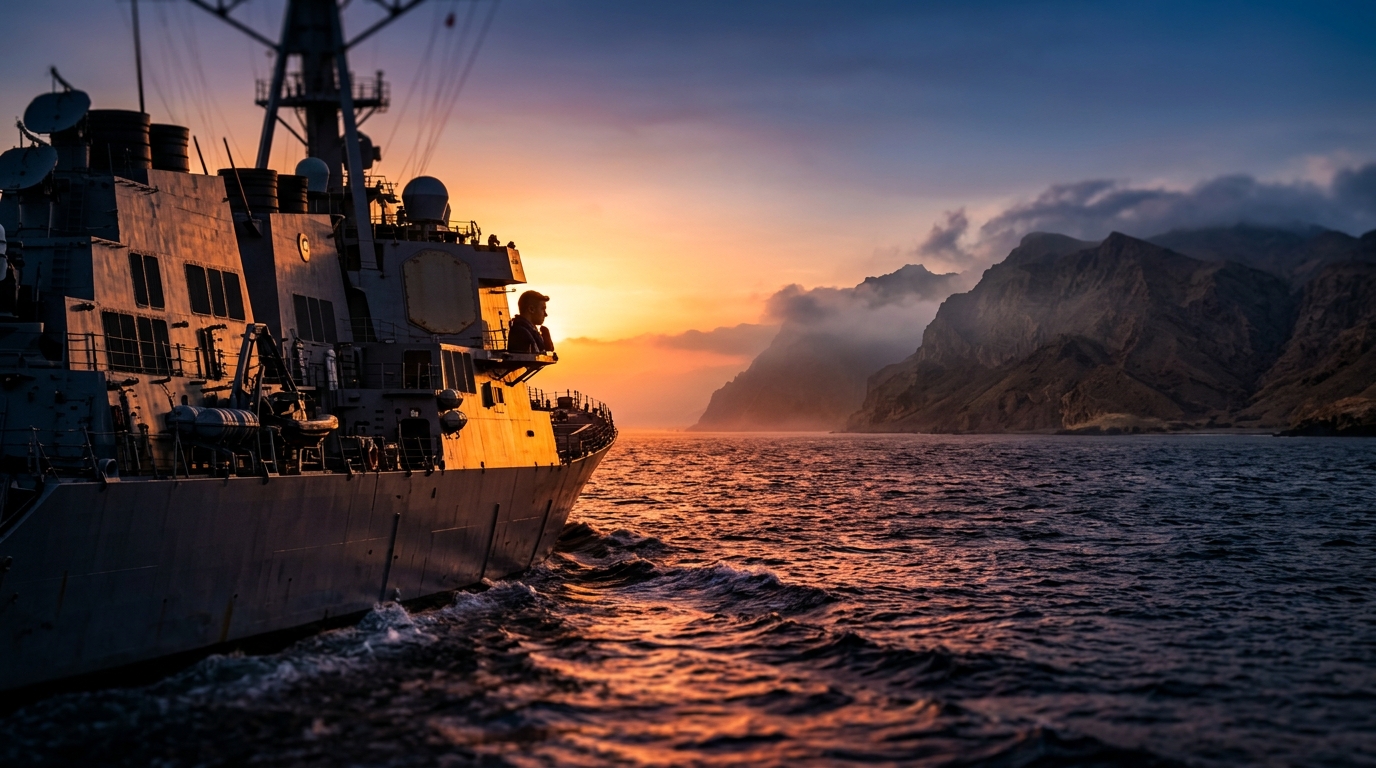
On 12 April 2026, President Donald Trump directed the U.S. Navy to block the Strait of Hormuz. The order came after the Islamabad Talks collapsed without a deal.
Key Developments
- Trump’s blockade order targets the strategic shipping lane to pressure Iran over its nuclear ambitions.
- The Revolutionary Guards warned they control traffic in the waterway and would trap any adversary "in a deadly vortex".
- U.S. Vice President J.D. Vance announced in Pakistan that the United States is exiting the negotiations, praising Pakistani hosts.
- Iran’s Ministry of Foreign Affairs, via spokesperson Esmaeil Baqaei, confirmed the failure of talks and cited extensive message exchanges.
Important Facts
• The blockade order was issued on the same day the talks ended after more than 21 hours of discussion.
• Pakistan’s Prime Minister Shehbaz Sharif and Chief of Army Staff Field Marshal Asim Munir were lauded by Vance for their hospitality.
• Iran’s Revolutionary Guards threatened to treat any naval incursion as a hostile act, raising the risk of a direct confrontation.
Exam Relevance
1. Geopolitics of the Middle East: The Strait of Hormuz is a classic case study for maritime security, energy geopolitics, and the strategic calculus of major powers (GS2).
2. India’s Strategic Interests: Any disruption in oil flow affects global oil prices, impacting India’s balance of payments and inflation (GS3).
3. International Law & Diplomacy: The unilateral blockade raises questions about the legality of using naval power to enforce political objectives (GS2).
4. US‑Iran Relations: The episode illustrates the dynamics of coercive diplomacy and the role of third‑party mediators like Pakistan (GS2).
Way Forward
• Diplomatic channels – India and other regional players should encourage multilateral dialogue, possibly under the auspices of the UN or OIC, to de‑escalate tensions.
• Energy security measures – Diversify oil import routes and build strategic petroleum reserves to mitigate supply shocks.
• Legal assessment – Conduct a thorough review of the blockade’s compliance with the United Nations Convention on the Law of the Sea (UNCLOS) to inform future policy choices.