US‑Iran Conflict Ripple Effects: Energy Crisis, India’s LPG Shortage & Global Trade Shifts — UPSC Current Affairs | March 18, 2026
US‑Iran Conflict Ripple Effects: Energy Crisis, India’s LPG Shortage & Global Trade Shifts
The US‑Israel strike campaign on Iran, launched on 28 Feb 2024, has triggered a global energy crunch, spiking oil prices and disrupting LPG supplies to India. While Russia benefits from a US sanctions waiver and China gains strategic breathing space, New Delhi faces domestic shortages, rising fuel costs, and potential Section 301 tariffs, underscoring the conflict's wide‑ranging geopolitical and economic implications for UPSC aspirants.
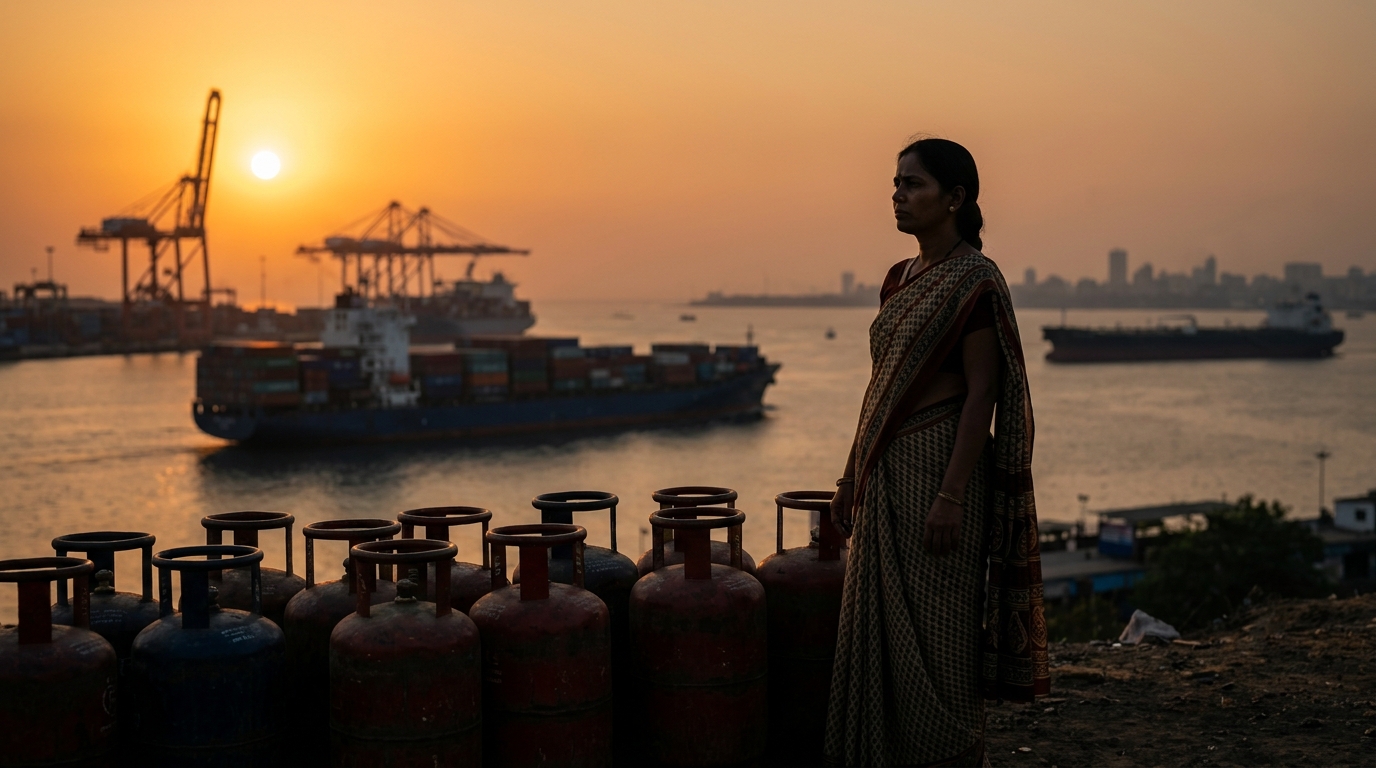
US‑Iran Conflict Ripple Effects: Energy Crisis, India’s LPG Shortage & Global Trade Shifts The war that erupted on 28 February 2024 between the United States (and Israel) and Iran has quickly moved beyond a bilateral clash. While neither side can claim a decisive victory, the hostilities are reshaping global energy markets, exposing strategic vulnerabilities, and creating new trade frictions that directly affect India. Key Developments (Bullet Summary) US‑Israel airstrikes have hit over 15,000 targets in Iran; Iran has retaliated by targeting oil tankers in the Strait of Hormuz , choking trade. India faces a severe LPG shortage, with cylinder prices rising to Rs 913. The United States has granted a 30‑day waiver on sanctions against Russian crude, boosting Moscow’s oil revenues amid the energy crunch. Washington has reopened a Section 301 investigation covering India and China, signalling fresh tariff threats. Spain permanently withdrew its ambassador from Israel, reflecting diplomatic fallout from the US‑Israel strikes. Important Facts • Casualties: Over 2,000 deaths across West Asia, including 1,300 in Iran . Five Indian nationals have been killed. • Energy impact: The IEA released 400 million barrels from emergency reserves; Brent crude rose to about $100 per barrel , a 37% jump. • Russia’s gain: Waiver on sanctions and higher oil prices have added roughly $150 million per day to Moscow’s revenue; Russian crude on tankers at sea reached ~130 million barrels. • China’s strategic benefit: With US naval assets redeployed from the South China Sea to West Asia, Beijing faces less immediate US pressure on its maritime ambitions around Taiwan and the Indo‑Pacific. UPSC Relevance The episode touches multiple GS papers. Essential Commodities Act was invoked to curb LPG hoarding, illustrating crisis‑management powers of the centre. The conflict underscores the importance of Shahed drones in modern warfare and the geopolitics of arms transfers. Understanding Section 301 helps aspirants analyse US trade policy tools and their impact on India‑US economic ties. Way Forward Energy diversification : India should accelerate alternative fuel imports (e.g., LNG) and boost domestic LPG production under the Essential Commodities Act framework. Strategic diplomacy : New Delhi must balance its oil purchases from Russia with US pressure, possibly seeking multilateral dialogue to avert a tariff escalation under Section 301. Regional security posture : Monitoring US naval redeployment and China’s maritime activities will be crucial for India’s Indo‑Pacific strategy. Overall, the West Asia war is less about a clear victor and more about how secondary players—Russia, China, and India—navigate the resulting energy, trade, and diplomatic turbulence.
Login to bookmark articles
Login to mark articles as complete
Overview
US‑Iran war fuels global energy crunch, jeopardising India’s LPG security and trade ties
Key Facts
Conflict erupted on 28 Feb 2024 with US‑Israel airstrikes on Iran, hitting over 15,000 targets.
Iran retaliated by targeting oil tankers in the Strait of Hormuz, a chokepoint for ~20% of world oil.
India imports ~60% of its LPG; cylinder price surged to Rs 913 amid supply disruption.
IEA released 400 million barrels from emergency reserves; Brent crude rose to about US$100/barrel (≈37% jump).
US granted a 30‑day waiver on sanctions on Russian crude, adding roughly $150 million per day to Moscow’s revenue.
Washington reopened a Section 301 investigation covering India and China, hinting at fresh tariff measures.
Spain permanently withdrew its ambassador from Israel, reflecting diplomatic fallout from the US‑Israel strikes.
Background & Context
The US‑Iran confrontation has turned a bilateral clash into a global energy shock, exposing India’s dependence on imported LPG and highlighting the strategic use of trade tools like Section 301. It underscores the relevance of the Essential Commodities Act for crisis‑management and illustrates how great‑power rivalries reshape energy markets, trade policies, and diplomatic alignments—core themes of GS‑2 and GS‑3.
UPSC Syllabus Connections
Essay•International Relations and GeopoliticsGS2•Government policies and interventions for developmentPrelims_GS•International Current AffairsGS2•Effect of policies of developed and developing countries on IndiaGS3•Infrastructure - Energy, Ports, Roads, Airports, RailwaysPrelims_GS•Constitution and Political SystemGS1•Distribution of Key Natural ResourcesGS3•Effects of liberalization on economy, industrial policy and growthGS2•Bilateral, regional and global groupings involving IndiaPrelims_GS•National Current Affairs
Mains Answer Angle
In GS‑2 (International Relations) or GS‑3 (Energy & Infrastructure) answers, candidates can analyse how the US‑Iran war impacts India’s energy security, trade policy (Section 301) and diplomatic posture, and propose strategic responses.