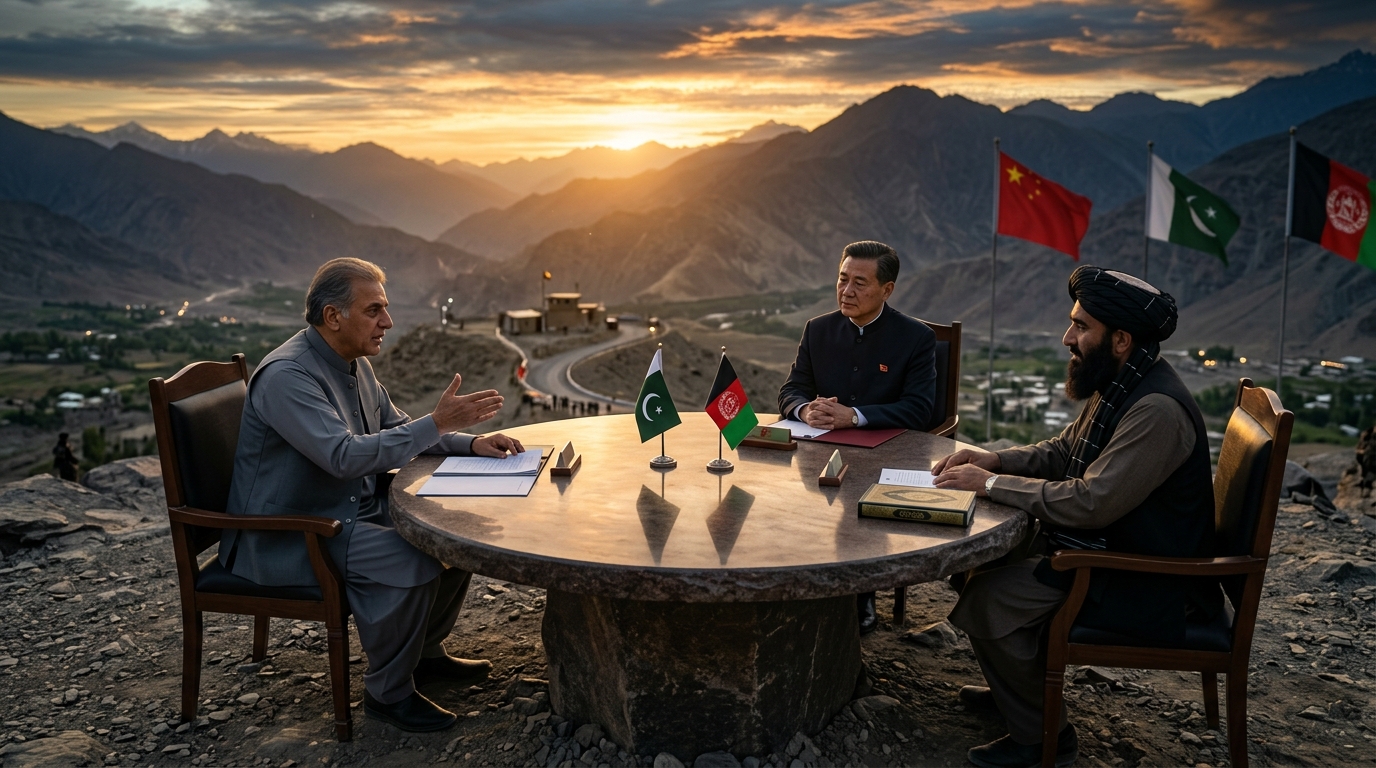
China‑Mediated Talks Between Pakistan and Taliban‑Run Afghanistan Aim for Durable Ceasefire
On 1 April 2026, officials from Pakistan and the Taliban-run Afghanistan resumed direct talks in China. The meetings, held in Urumqi, are being facilitated as part of a broader Chinese mediation effort to secure a lasting ceasefire after more than a month of intermittent fighting along the border.
Key Developments
- Representatives of both sides met in Urumqi, a neutral venue chosen by Beijing.
- China is acting as the principal mediator, seeking to broker a durable cease‑fire.
- A third source, familiar with the mediation, confirmed that the talks are explicitly aimed at ending the current hostilities.
- The Ministry of Foreign Affairs of Pakistan neither confirmed nor denied the development.
- Both China and the Pakistani officials speaking on condition of anonymity declined to comment publicly.
Important Facts
The dialogue comes after more than a month of cross‑border skirmishes that have strained regional stability. The participants are senior officials, but their identities remain undisclosed due to diplomatic sensitivities. The information was reported by the Associated Press based on statements from two Pakistani officials and an additional source aware of the Chinese mediation.
Exam Relevance
Understanding this development is crucial for several UPSC topics:
- Regional Security Dynamics: The Pakistan‑Afghanistan border is a flashpoint affecting South‑Asian peace and India’s strategic calculations (GS2: Polity).
- China’s Diplomatic Outreach: Beijing’s role as a mediator underscores its expanding influence in South‑Asia, a key theme in international relations and foreign policy (GS3: International Relations).
- Conflict Resolution Mechanisms: The use of ceasefire negotiations and third‑party mediation are textbook examples of diplomatic tools covered in GS2 and GS3.
- Policy Implications: A successful cease‑fire could reduce refugee flows, curb militant cross‑border movement, and open space for economic cooperation, all of which are pertinent to GS3 (Economy) and GS4 (Ethics) discussions on human security.
Way Forward
While official statements are pending, aspirants should monitor the following trajectories:
- Whether a formal cease‑fire agreement is signed and its stipulated duration.
- China’s continued involvement and any broader regional security framework that may emerge.
- Reactions from neighbouring countries, especially India, and international bodies such as the UN.
- Potential impact on Pakistan’s internal security and its diplomatic posture towards Afghanistan.
For UPSC preparation, linking this episode to broader themes of South‑Asian geopolitics, conflict resolution, and great‑power diplomacy will aid in answering both descriptive and analytical questions in the mains examination.