Overview
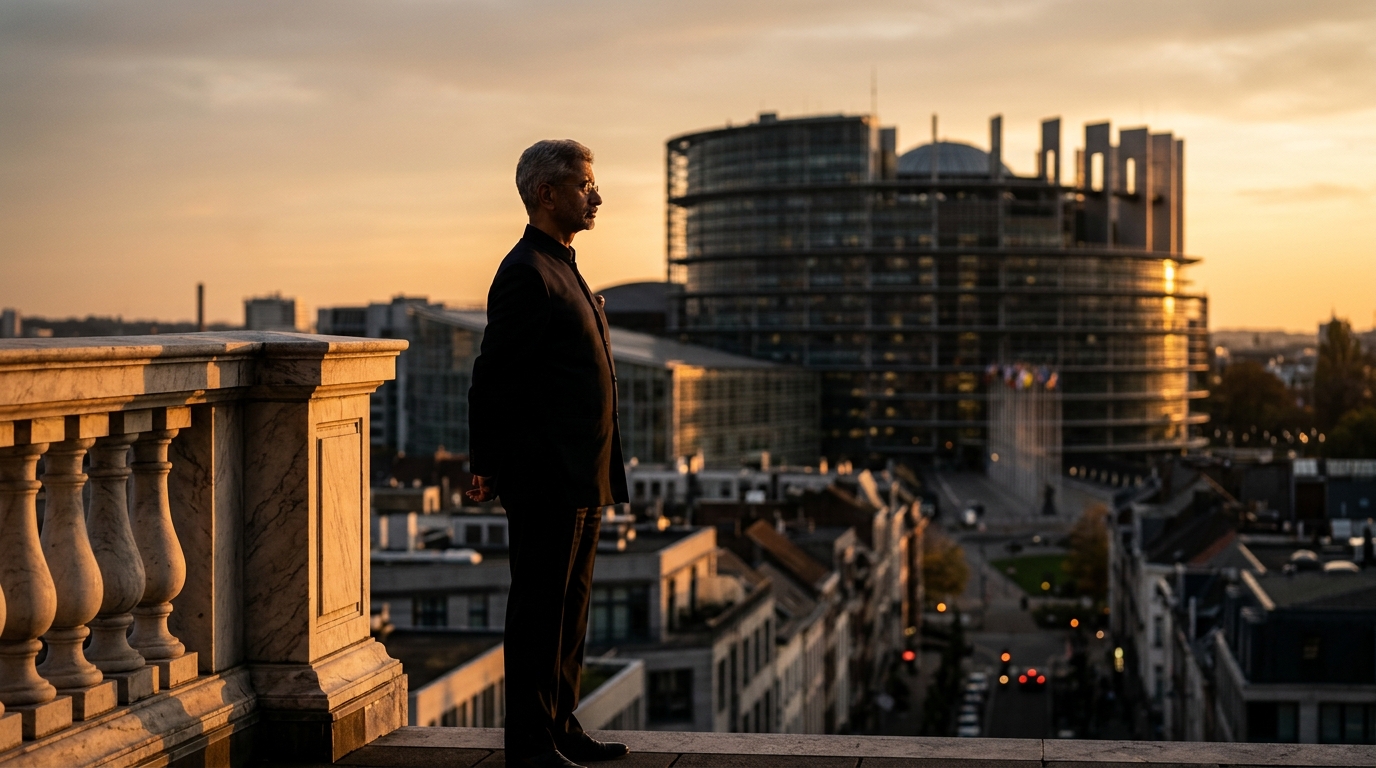
The External Affairs Minister S. Jaishankar began a two‑day trip to Brussels on 15 March 2026. The visit, at the invitation of Kaja Kallas, aims to deepen the strategic partnership forged after the historic 16th India‑EU summit and the signing of a landmark Free Trade Agreement (FTA) in January.
Key Developments
- Jaishankar will attend the Foreign Affairs Council meeting, interacting with foreign ministers of all 27 European Union (EU) member states.
- Separate bilateral talks are scheduled with the leadership of the EU, Belgium and other member‑state counterparts.
- The agenda includes reviewing the implementation of the India‑EU FTA and discussing the impact of the ongoing Iran‑U.S. conflict on energy supplies and trade.
Important Facts
• This is the first high‑level Indian delegation to the EU headquarters after the FTA, underscoring the deal’s strategic importance.
• The FTA, dubbed the "mother of all deals," aims to eliminate tariffs on a wide range of goods and services, enhancing market access for Indian exporters.
• Energy security has become a focal point as the Iran‑U.S. confrontation threatens oil and gas flows to Europe, a concern for both India and the EU.
Exam Relevance
Understanding this visit helps aspirants grasp:
- India’s evolving foreign policy and its shift towards deeper engagement with multilateral blocs (GS2).
- The economic implications of the India‑EU FTA, especially for sectors like pharmaceuticals, IT services and renewable energy (GS3).
- Geopolitical dynamics of the Iran‑U.S. conflict and its ripple effects on global energy markets, a topic intersecting economics and security (GS3, GS4).
- The role of the Foreign Affairs Council as a platform for diplomatic coordination (GS2).
Way Forward
To translate diplomatic momentum into tangible outcomes, the following steps are crucial:
- Establish a joint India‑EU implementation committee to monitor FTA milestones and resolve trade‑related disputes.
- Co‑operate on energy diversification projects, such as renewable‑energy partnerships, to mitigate the impact of the Iran‑U.S. standoff on European energy security.
- Expand people‑to‑people contact through academic, cultural and business delegations, reinforcing the strategic partnership beyond trade.
- Maintain regular high‑level dialogues, possibly through an annual India‑EU summit, to keep the relationship resilient against geopolitical shocks.
These measures will ensure that the diplomatic engagement translates into sustained economic benefits and a robust strategic alliance for India.