Overview
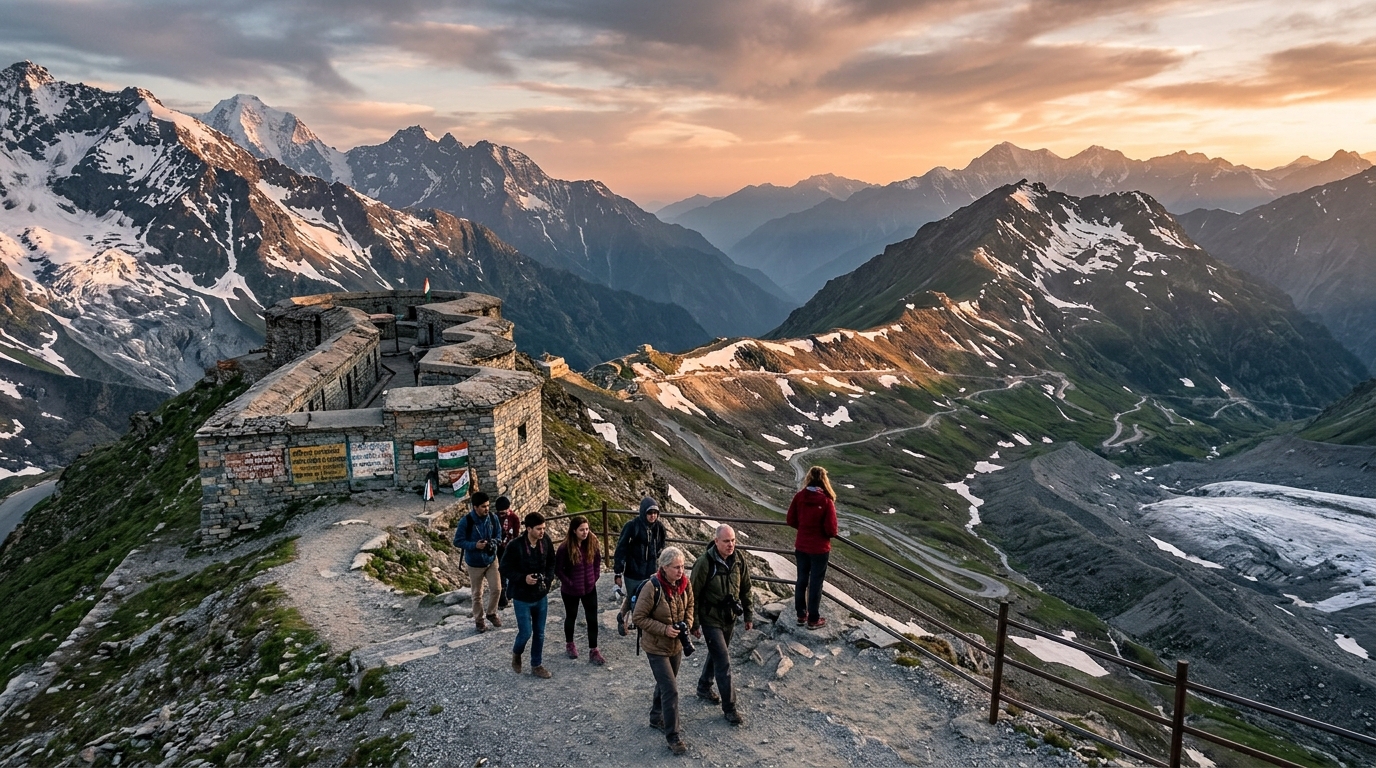
On December 15, 2025, Doklam in Sikkim was ceremonially opened for tourists under the Centre’s Bharat Rannbhoomi Darshan initiative. This comes eight years after the 2017 stand-off between Indian and Chinese troops. Cho-La, a site of conflict between the two countries from September to October 1967, was also opened for tourists under the same project. The initiative aims to promote battlefield tourism and strengthen border area development.
Key Developments
- Opening of Himalayan Passes: Doklam and Cho-La opened for tourism.
- Flagging Off Ceremony: Sikkim Chief Minister Prem Singh Tamang flagged off 25 motorcycles and vehicles in Gangtok.
- Vibrant Village Programme: The opening is part of this program, aiming to strengthen border area tourism and create livelihood opportunities.
- Coordination: The initiative was made possible through coordination among the Centre, the State government, and the Army.
Strategic and Historical Significance
The initiative highlights the historical and military importance of Cho-La and Dok-La. It aims to promote awareness of the valour and sacrifices of the armed forces and foster a sense of patriotism among visitors while maintaining strict security and environmental safeguards.
Location and Accessibility
- Doklam: Located 68 km east of Gangtok at an altitude of 13,780 feet. It is a plateau in Chumbi Valley at the tri-junction of Bhutan, China, and India.
- Cho-La: Perched at 17,780 feet above the mean sea level, accessible in all-wheel-drive vehicles from Tamzey.
- Nathu-La: Already a tourist spot at 14,140 ft, about 58 km from Gangtok.
Infrastructure Development
For Cho-La and Doklam, the government constructed cafeterias, restrooms, wayside amenities, and parking spaces jointly with the Army, according to C. Subhakar Rao, Sikkim’s Additional Chief Secretary in charge of the Tourism and Civil Aviation Department.
Historical Context
Sikkim became India’s 22nd State in May 1975 following a referendum.
Exam Relevance
This news is relevant for GS2 (International Relations), GS3 (Security), GS1 (History and Geography). It highlights India-China relations, border security, and government initiatives for border area development. The strategic importance of Doklam and Cho-La, along with the Vibrant Village Programme, are key areas for UPSC aspirants.