Overview
On 17 April 2026, Iran announced that the Strait of Hormuz will remain fully open for commercial vessels for the remaining period of the U.S.-Iran truce. The declaration aligns with a 10‑day ceasefire between Israel and Hezbollah in Lebanon.
Key Developments
- Iran’s Foreign Minister Abbas Araghchi confirmed the opening of the waterway on the coordinated route announced by the Ports and Maritime Organisation of the Islamic Republic of Iran.
- U.S. President Donald Trump praised the move on his Truth Social platform, stating the strait is "FULLY OPEN AND READY FOR FULL PASSAGE."
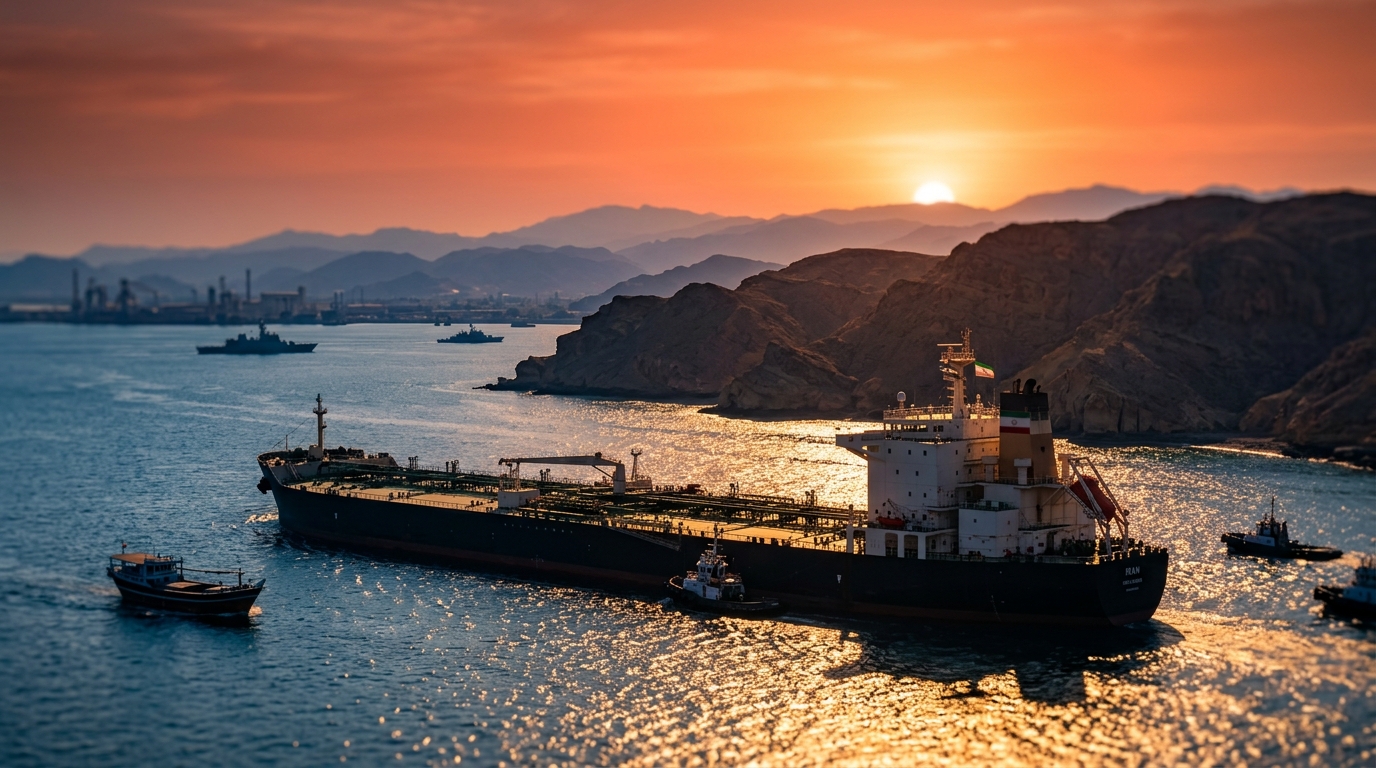
- Three Iranian oil tankers, carrying a total of five million barrels of crude, became the first loaded vessels to exit the Gulf via the strait since the U.S. blockade was imposed, as reported by tracking firm Kpler.
- Israel’s Defence Minister Israel Katz warned that the campaign against Hezbollah remains ongoing, despite the ceasefire.
Important Facts
The announcement comes a day after President Trump declared a 10‑day ceasefire between Israel and Hezbollah. Iran’s decision ensures uninterrupted oil shipments, mitigating the risk of a secondary supply shock in global markets. The three tankers’ departure marks a symbolic breach of the U.S. blockade, indicating Tehran’s confidence in the truce’s durability.
Exam Relevance
Understanding the dynamics of the Strait of Hormuz is essential for GS‑3 (Economy) and GS‑4 (International Relations) as it links energy security with geopolitical stability. The ceasefire between Israel and Hezbollah illustrates the interplay of state and non‑state actors, a topic in GS‑2 (Polity). Iran’s coordination through the Ports and Maritime Organisation of the Islamic Republic of Iran showcases how maritime agencies influence foreign policy and trade.
Way Forward
For policymakers, monitoring the durability of the U.S.-Iran truce will be crucial to anticipate any resurgence of hostilities that could disrupt oil flows. Aspirants should track subsequent statements from the United Nations and the International Maritime Organization regarding navigation safety in the Gulf. Additionally, analysing Israel’s military posture post‑ceasefire will help gauge the likelihood of renewed conflict with Hezbollah, which could again affect regional stability and energy markets.