Overview
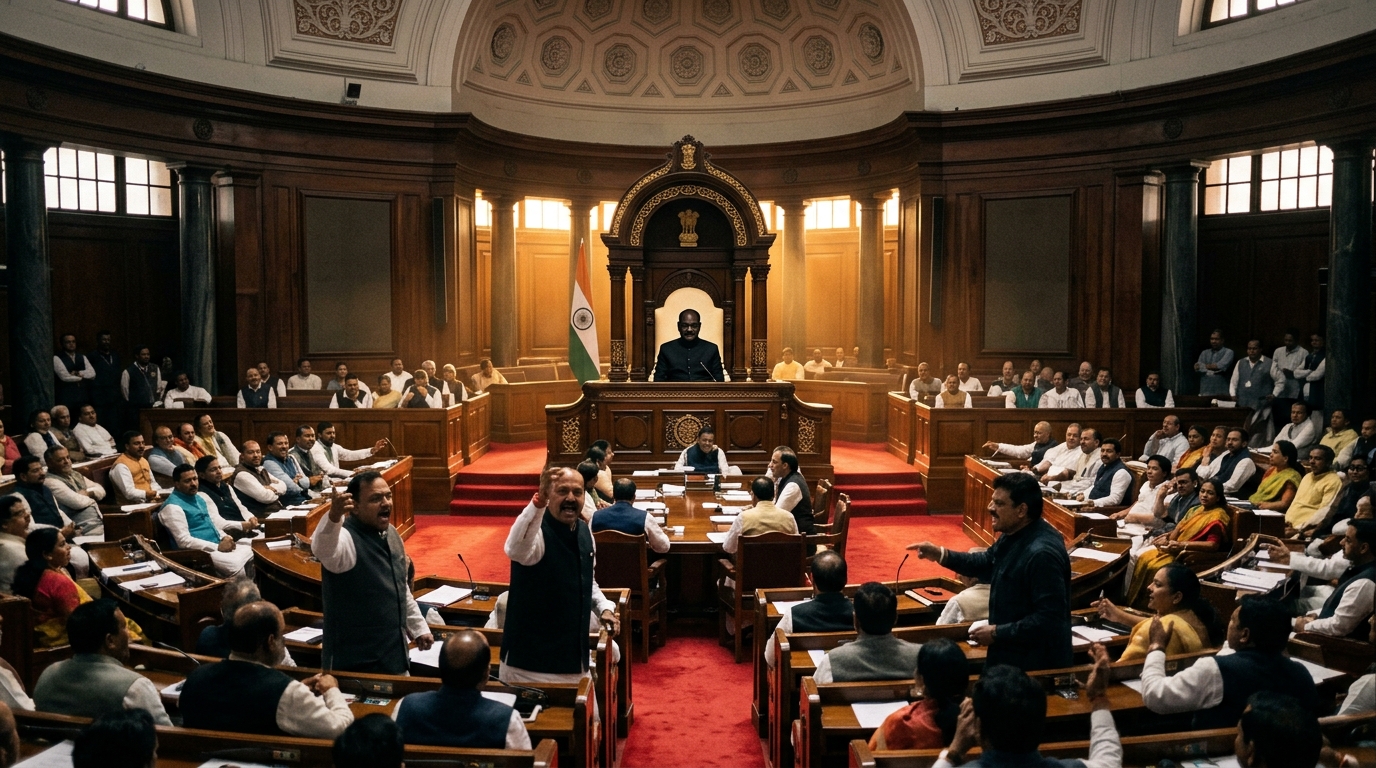
During the Budget Session of Parliament (11 March 2026), a Lok Sabha witnessed a fierce exchange over a no‑confidence motion against the Speaker Om Birla. The Opposition, led by Rahul Gandhi, alleged partisan treatment and claimed that his attempts to raise issues about Prime Minister Narendra Modi and a book by former Army Chief Gen. M.M. Naravane were repeatedly blocked.
Key Developments
- Rahul Gandhi asserted he was "stopped multiple times" from speaking on matters including alleged compromise of the Prime Minister, the Naravane memoir, and the Epstein case.
- BJP leader Ravi Shankar Prasad challenged Gandhi’s claims, stating that the Prime Minister cannot be "compromised" and that the debate was not a valid point of order.
- The Opposition moved a resolution, signed by 118 MPs, accusing the Speaker of "partisan behaviour" and demanding a debate on the motion.
- During the earlier Motion of Thanks on the President’s Address (2 Feb), Gandhi tried to quote excerpts from an unpublished memoir of Gen. Naravane, which was objected to by Defence Minister Rajnath Singh and the Speaker.
- Speaker Birla allotted 10 hours for debate and urged members to stick to the resolution’s text.
Important Facts
- More than 50 MPs initially supported the motion; total signatories reached 118.
- The motion was moved by Congress MP Mohammad Jawed.
- BJP MP Jagdambika Pal, presiding as Chair, granted leave to move the motion and emphasized procedural generosity.
- The controversy centres on whether a member can cite material from an unpublished memoir as evidence in parliamentary debate.
Exam Relevance
The episode illustrates several core concepts of parliamentary procedure:
- Role and powers of the Speaker in regulating debate and safeguarding neutrality.
- Use of a no‑confidence motion as a tool of opposition, not just against the government but also against parliamentary officers.
- Interpretation of point of order and admissibility of evidence, especially unpublished material.
- Balancing freedom of speech of MPs with the need for verified information in legislative discourse.
Way Forward
For aspirants, the case underscores the need to:
- Study the Rules of Procedure and Conduct of Business in Lok Sabha to understand limits on debate and the Speaker’s discretion.
- Analyse past instances where motions against the Speaker were raised, noting outcomes and judicial pronouncements.
- Monitor how political parties use parliamentary tools to further strategic narratives, a key aspect of Opposition dynamics.
- Keep abreast of debates on the admissibility of unpublished or classified material, which may influence future reforms in parliamentary transparency.
Understanding these procedural nuances equips candidates to answer questions on legislative functioning, checks and balances, and the role of parliamentary officers in Indian democracy.