Loading page, please wait…
HomeCurrent AffairsEditorialsGovt SchemesLearning ResourcesUPSC SyllabusPricingAboutBest UPSC AIUPSC AI ToolAI for UPSCUPSC ChatGPT

© 2026 Vaidra. All rights reserved.

PrivacyTerms
Vaidra Logo
Vaidra

Top 4 items + smart groups

UPSC GPT
New
Current Affairs
Daily Solutions
Daily Puzzle
Mains Evaluator

Version 2.0.0 • Built with ❤️ for UPSC aspirants

Oil Prices Plunge After IEA Crisis Talks on Strait of Hormuz – Implications for Global Markets and Energy Security — UPSC Current Affairs | March 11, 2026
Oil Prices Plunge After IEA Crisis Talks on Strait of Hormuz – Implications for Global Markets and Energy Security
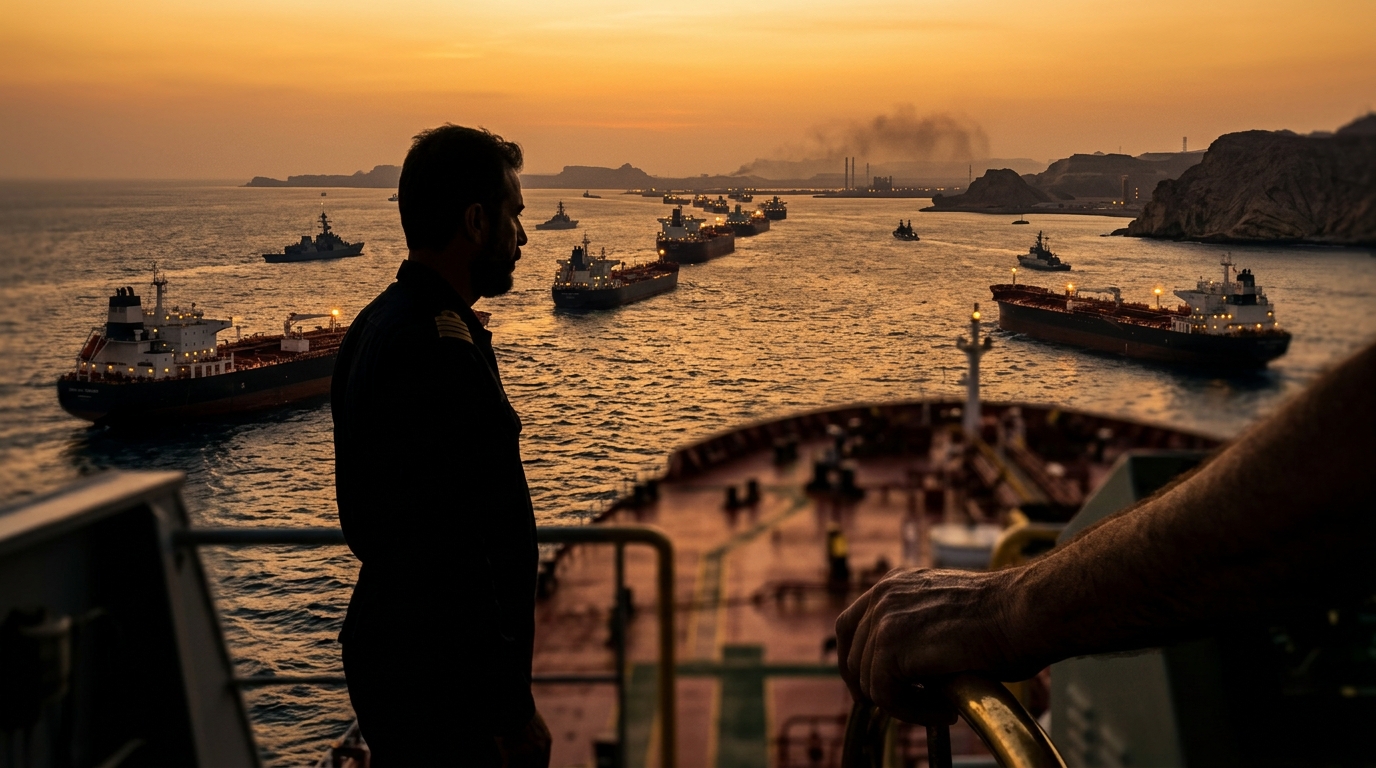
Crude oil prices plunged as the International Energy Agency discussed releasing emergency stockpiles amid heightened tensions in the Strait of Hormuz, while global equity markets rallied on the optimism of lower energy costs. The episode underscores the strategic importance of the Gulf oil route and the role of multilateral bodies like the IEA and G7 in managing supply‑side shocks, a key topic for UPSC aspirants.
On 10 March 2026 , international crude prices fell sharply after the IEA convened emergency talks on the security of oil supply in the Strait of Hormuz . The meeting raised the prospect of releasing strategic stockpiles, prompting a rapid decline in benchmark Brent crude to $87.80 per barrel, down 11.3% from the previous day’s near‑$120 level. Key Developments IEA members assessed the "current security of supply" and discussed emergency stock releases. U.S. Energy Secretary Chris Wright posted, then deleted, a claim that the U.S. Navy escorted a tanker through the Strait, creating temporary market optimism. European markets rallied: Paris and London indices rose >1.5%; Frankfurt gained 2.4% as European gas prices fell 15%. Asian equities surged, with Seoul up >5% and Tokyo up 2.9%. U.S. S&P 500 slipped 0.2% after the Wright post was removed. India announced no immediate increase in petrol prices despite the global crude shock. Important Facts The drop in oil prices coincided with a broader easing of inflation concerns, as lower energy costs can temper consumer price pressures. The G7 energy ministers, meeting in Paris, underscored the need for coordinated responses to supply disruptions. Analyst Axel Rudolph noted that the market rally was driven primarily by the fall in oil and gas prices. UPSC Relevance Understanding the geopolitics of energy routes like the Strait of Hormuz is vital for GS3 (Economy) and GS1 (International Relations). The role of the IEA and G7 illustrates how multilateral institutions manage global commodity shocks, a recurring theme in questions on international economic governance. Additionally, the episode highlights the impact of energy price volatility on inflation, fiscal policy, and balance‑of‑payments – core topics for the Economy paper. Way Forward Monitor IEA decisions on strategic stock releases and their impact on global oil benchmarks. Track diplomatic engagements between the U.S., Iran, and Gulf states to gauge future supply‑side risks. Assess how lower energy prices may influence inflation trajectories in emerging economies, especially India. Evaluate the effectiveness of coordinated G7 responses in stabilising markets during geopolitical crises. For UPSC candidates, linking these developments to concepts such as energy security, international cooperation, and macro‑economic stability will aid in answering both descriptive and analytical questions.
  1. Home
  2. Prepare
  3. Current Affairs
  4. Oil Prices Plunge After IEA Crisis Talks on Strait of Hormuz – Implications for Global Markets and Energy Security
Login to bookmark articles
Login to mark articles as complete

Overview

IEA’s emergency oil talks trigger Brent plunge, underscoring energy security risks for India

Key Facts

  1. 10 March 2026: IEA convened emergency talks on oil‑supply security in the Strait of Hormuz.
  2. Brent crude fell to $87.80/barrel – an 11.3% drop from the previous day’s near‑$120 level.
  3. About 20% of global oil passes through the Strait of Hormuz, making any disruption price‑sensitive.
  4. U.S. Energy Secretary Chris Wright’s deleted tweet on a Navy‑escorted tanker briefly lifted market sentiment.
  5. European indices rallied (Paris & London >1.5%, Frankfurt +2.4%); Asian equities also surged, while S&P 500 slipped 0.2%.
  6. India announced no immediate hike in petrol prices despite the global crude shock.
  7. G7 energy ministers in Paris called for coordinated response to supply disruptions.

Background & Context

The Strait of Hormuz is a chokepoint for world oil supplies; any perceived threat triggers price volatility, affecting inflation and balance‑of‑payments. The IEA, as a multilateral body, can release strategic reserves to stabilise markets, linking energy security with macro‑economic stability – core themes of GS‑3 and GS‑1.

UPSC Syllabus Connections

Essay•Media, Communication and Information

Mains Answer Angle

In GS‑3, candidates can discuss how strategic stock releases and coordinated G7 actions mitigate oil‑price shocks and their spill‑over on inflation and fiscal balances; in GS‑1, the focus can shift to the geopolitics of the Strait and the role of international institutions.

Full Article

Read Original on hindu

Analysis

Practice Questions

GS3
Easy
Prelims MCQ

Geopolitics of energy routes

1 marks
4 keywords
GS3
Medium
Mains Short Answer

Energy security and macro‑economic stability

10 marks
5 keywords
GS3
Hard
Mains Essay

International economic governance and energy security

25 marks
6 keywords
Related:Daily•Weekly

Loading related articles...

Loading related articles...

Tip: Click articles above to read more from the same date, or use the back button to see all articles.

Explore:Current Affairs·Editorial Analysis·Govt Schemes·Study Materials·Previous Year Questions·UPSC GPT