Loading page, please wait…
HomeCurrent AffairsEditorialsGovt SchemesLearning ResourcesUPSC SyllabusPricingAboutBest UPSC AIUPSC AI ToolAI for UPSCUPSC ChatGPT

© 2026 Vaidra. All rights reserved.

PrivacyTerms
Vaidra Logo
Vaidra

Top 4 items + smart groups

UPSC GPT
New
Current Affairs
Daily Solutions
Daily Puzzle
Mains Evaluator

Version 2.0.0 • Built with ❤️ for UPSC aspirants

Pakistan PM Shehbaz Sharif Postpones Russia Visit Amid Regional Tensions and Domestic Unrest — UPSC Current Affairs | March 1, 2026
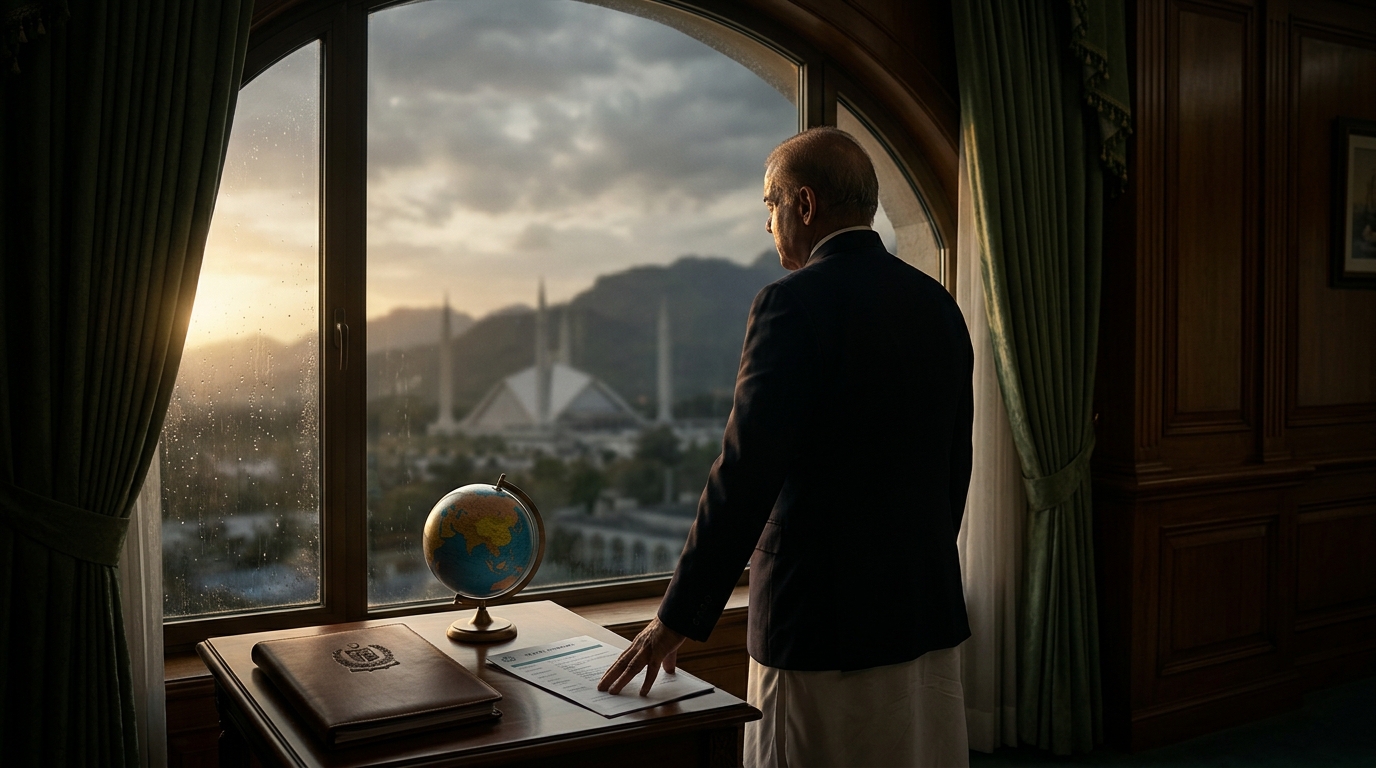
Pakistan PM Shehbaz Sharif Postpones Russia Visit Amid Regional Tensions and Domestic Unrest
On 1 March 2026, Pakistan’s Prime Minister <strong>Shehbaz Sharif</strong> postponed his planned visit to <strong>Russia</strong> due to escalating cross‑border clashes with Afghanistan and nationwide protests triggered by the death of Iran’s Supreme Leader in U.S.-Israel air strikes. The move underscores how regional security tensions and internal unrest can reshape diplomatic agendas, a key consideration for UPSC aspirants studying India’s foreign policy and security dynamics.
Overview On 1 March 2026 , the office of Shehbaz Sharif announced the postponement of his scheduled trip to Russia . The decision was attributed to the prevailing "regional and internal situation". Key Developments Original itinerary: 3–5 March 2026 visit to Moscow, reported by Russian media. Escalation of cross‑border clashes since 26 February 2026 after Afghanistan launched an offensive along the frontier. Domestic protests erupted across Pakistan on 1 March 2026 following the death of Iran’s Supreme Leader Ali Khamenei in U.S.-Israel air strikes . The Prime Minister’s office stated that a new date will be set after "mutual consultations" with Russian counterparts. Important Facts The postponement reflects a confluence of external security challenges (Afghan offensive, Iran‑related unrest) and internal political pressures (public protests). Pakistan’s foreign policy traditionally balances relations with major powers like Russia while managing volatile neighbourhood dynamics. UPSC Relevance Understanding this episode is crucial for: GS‑2 (Polity & International Relations) : Analyzing how domestic political stability influences diplomatic engagements and the decision‑making process of the Prime Minister. GS‑3 (Security & Strategic Affairs) : Assessing the impact of cross‑border clashes on regional security architecture. GS‑4 (Ethics & Integrity) : Evaluating the ethical considerations of postponing a high‑profile visit amid public unrest and potential diplomatic fallout. Way Forward For policymakers and aspirants, the following steps are advisable: Monitor the diplomatic dialogue between Pakistan and Russia to gauge any shift in strategic priorities. Track developments on the Pakistan‑Afghanistan frontier, especially any ceasefire or negotiation attempts, as they directly affect internal security. Analyze the domestic political climate, particularly public sentiment after the U.S.-Israel air strikes and the death of Ali Khamenei , to anticipate future policy decisions.
  1. Home
  2. Prepare
  3. Current Affairs
  4. Pakistan PM Shehbaz Sharif Postpones Russia Visit Amid Regional Tensions and Domestic Unrest
Must Review
Login to bookmark articles
Login to mark articles as complete

Overview

PM Sharif postpones Russia visit, highlighting security‑driven foreign policy shifts

Key Facts

  1. 1 March 2026: Prime Minister Shehbaz Sharif announced postponement of his Russia trip.
  2. Original itinerary was set for 3–5 March 2026 in Moscow.
  3. Cross‑border clashes with Afghanistan intensified after an Afghan offensive on 26 February 2026.
  4. Domestic protests erupted on 1 March 2026 following Iran’s Supreme Leader’s death and US‑Israel air strikes.
  5. Pakistan’s foreign policy seeks to balance ties with Russia while managing volatile neighbourhood dynamics.
  6. A new visit date will be fixed after "mutual consultations" with Russian counterparts.
  7. The decision underscores the interplay of external security challenges and internal political pressure.

Background & Context

The postponement illustrates how regional security crises (Afghan frontier clashes) and domestic unrest can constrain a country's diplomatic agenda, a key theme in GS‑2 (Polity & International Relations) and GS‑3 (Security & Strategic Affairs). It also reflects Pakistan’s strategic balancing act between major powers and its volatile neighbourhood.

Mains Answer Angle

In GS‑2, candidates may be asked to analyse how internal political stability and external security threats shape a Prime Minister’s foreign‑policy decisions, using the Sharif‑Russia visit episode as a case study.

Full Article

Read Original on hindu

Analysis

Practice Questions

Prelims
Easy
Prelims MCQ

Foreign policy decision‑making

2 marks
5 keywords
GS2
Medium
Mains Short Answer

Impact of security environment on foreign policy

10 marks
5 keywords
GS2
Hard
Case Study

Strategic balancing in South Asia

250 marks
7 keywords
Related:Daily•Weekly

Loading related articles...

Loading related articles...

Tip: Click articles above to read more from the same date, or use the back button to see all articles.

Explore:Current Affairs·Editorial Analysis·Govt Schemes·Study Materials·Previous Year Questions·UPSC GPT