Overview
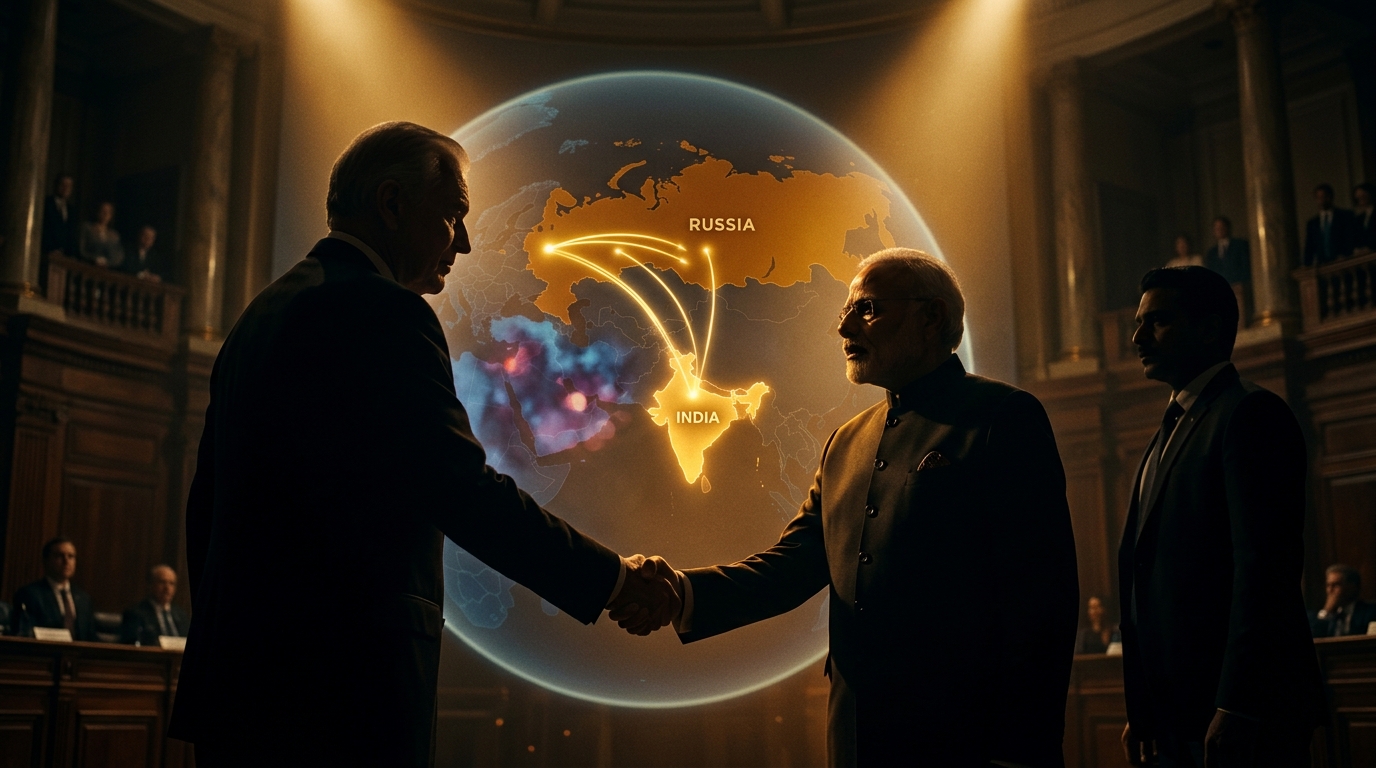
Amid the ongoing West Asia crisis, Russia has pledged to boost crude oil and LNG shipments to India. The announcement came during high‑level talks in New Delhi involving senior officials from both capitals.
Key Developments
- April 2, 2026: Denis Manturov met Ajit Doval and External Affairs Minister S. Jaishankar to discuss energy cooperation.
- Russia affirmed its capacity to steadily increase supplies of crude oil and LNG to the Indian market.
- Finance Minister Nirmala Sitharaman also held talks with Manturov, underscoring the economic dimension of the partnership.
- The bilateral IRIGC‑TEC reviewed progress on the 23rd India‑Russia Annual Summit and explored ways to expand trade, investment, and industrial collaboration.
- Russia reported a 40% increase in fertilizer shipments to India by the end of 2025 and signalled readiness to meet further demand.
- Both sides discussed deeper cooperation in the civil nuclear energy sector.
Important Facts
• The Strait of Hormuz has been partially blocked by Iran, causing a sharp rise in global oil and gas prices.
• India imported $1.98 billion worth of Russian crude in January 2026, reducing Russia’s share in Indian oil imports to 19.3 %, the lowest since December 2022.
• Russia’s share was 27.5 % two months earlier and stood at 33 % in May 2025, indicating a recent dip followed by a renewed push for higher volumes.
• The U.S.–India interim trade agreement announced on February 7, 2026 omitted any reference to Russian oil, and its implementation remains pending.
Exam Relevance
Understanding this development touches upon multiple GS papers:
- GS 3 – Economy: Energy security, oil‑price volatility, and the strategic importance of the Strait of Hormuz for global trade.
- GS 2 – Polity & International Relations: Bilateral mechanisms like IRIGC‑TEC, and the role of senior officials in shaping foreign policy.
- GS 4 – Ethics & Integrity: Energy diplomacy amid geopolitical crises raises questions about strategic autonomy versus dependence on authoritarian partners.
Way Forward
• India is likely to diversify its energy imports, balancing Russian supplies with alternatives from the Middle East and the United States to mitigate supply‑risk.
• Continued high‑level dialogues can translate the verbal commitment into concrete contracts, especially for LNG and fertilizer shipments.
• Monitoring the geopolitical situation in the West Asia crisis will be crucial for assessing future price volatility and India's energy security strategy.