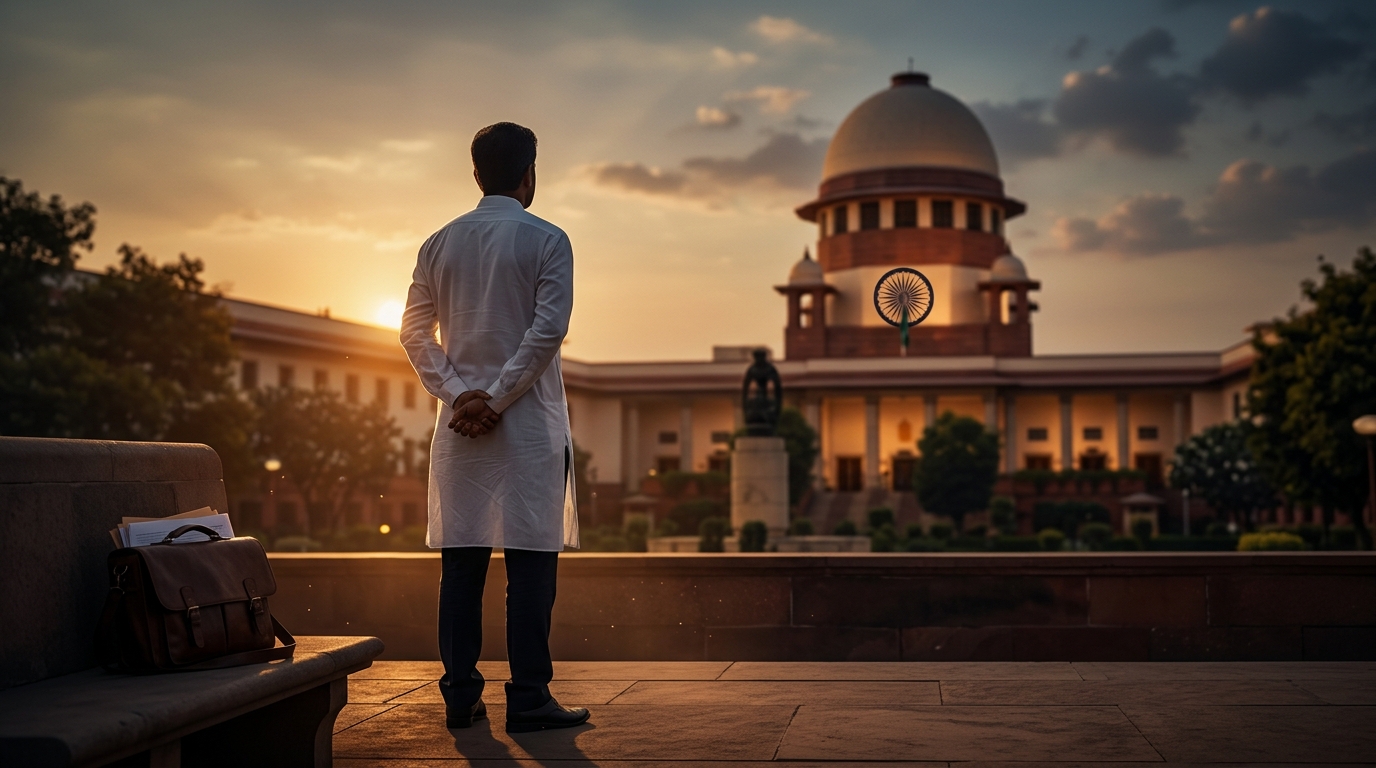
The Supreme Court on 24 March 2026 upheld a High Court ruling that a member of the Scheduled Caste who converts to Christianity or Islam ceases to be an SC. The judgment arose from a petition by a Christian pastor in Andhra Pradesh seeking protection under the SC/ST (Prevention of Atrocities) Act. The Court reiterated that constitutional safeguards apply only to those practising Hinduism, Sikhism or Buddhism.
Key Developments
- The Court affirmed that conversion out of the three religions specified in Article 341 removes a person from the SC list.
- Historical extensions: Sikhs were included in 1956, Buddhists in 1990, reflecting political accommodation of Dalit aspirations.
- Conversion to Christianity or Islam does not automatically grant SC status, though such individuals may avail benefits under the Article 15(4) clause for SEBCs.
- A commission headed by former Chief Justice K.G. Balakrishnan is examining the issue, but no legislative change has yet occurred.
Important Facts
- Original SC definition (Constitution, 1950) covered only Hindus.
- Sikh inclusion (1956) coincided with B.R. Ambedkar's own conversion to Buddhism.
- Buddhist inclusion (1990) expanded the protective umbrella further.
- The Court’s reasoning cites