Overview
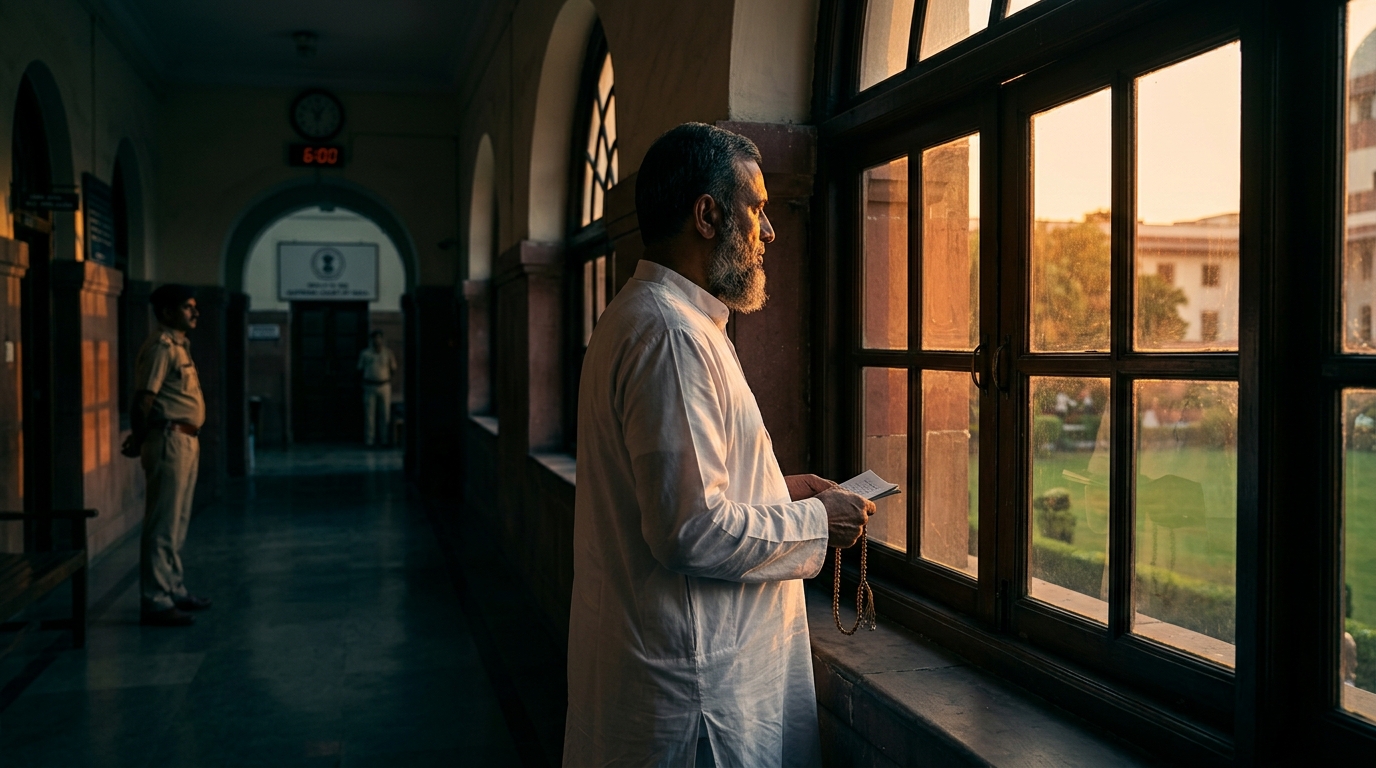
The Supreme Court on 20 April 2026 set a strict three‑month timetable for the trial of Islamic cleric Md. Abdur Raheman, who is charged under the UAPA. The order comes after the Court rejected his bail plea on merits and directed the Cuttack trial court to hear the case at least twice a week.
Key Developments
- The bench comprising CJI Surya Kant and Justice Joymalya Bagchi ordered the trial to conclude within 90 days.
- The trial court must not list any other matter on days when Raheman's trial is scheduled.
- Both the Public Prosecutor and the defence counsel must remain present throughout each hearing.
- No adjournments will be entertained unless a witness can be examined online.
- If the three‑month deadline cannot be met, the petitioner may approach the High Court for relief.
Important Facts
Raheman faces two FIRs – one in Delhi and another in Cuttack, Odisha – both alleging that he propagated anti‑national ideas and facilitated recruitment for Al‑Qaeda. He argues that the two cases constitute double jeopardy, as they are based on identical material. He has already served 7.5 years for the Delhi FIR, while remaining an under‑trial in the Odisha case, which was lodged three days after the Delhi FIR.
Senior Advocate Nitya Ramakrishnan, representing Raheman, highlighted that the petitioner has spent more than a decade in custody, exceeding the sentence for the first FIR. The Additional Solicitor General, KM Nataraj, opposed bail, emphasizing the seriousness of the terrorism‑related allegations. The Court was informed that 25 witnesses still need to be examined.
Exam Relevance
Understanding the procedural aspects of terrorism‑related trials is essential for GS 2 (Polity) and GS 3 (Security). The case illustrates the balance between individual rights – such as the right to bail