Overview
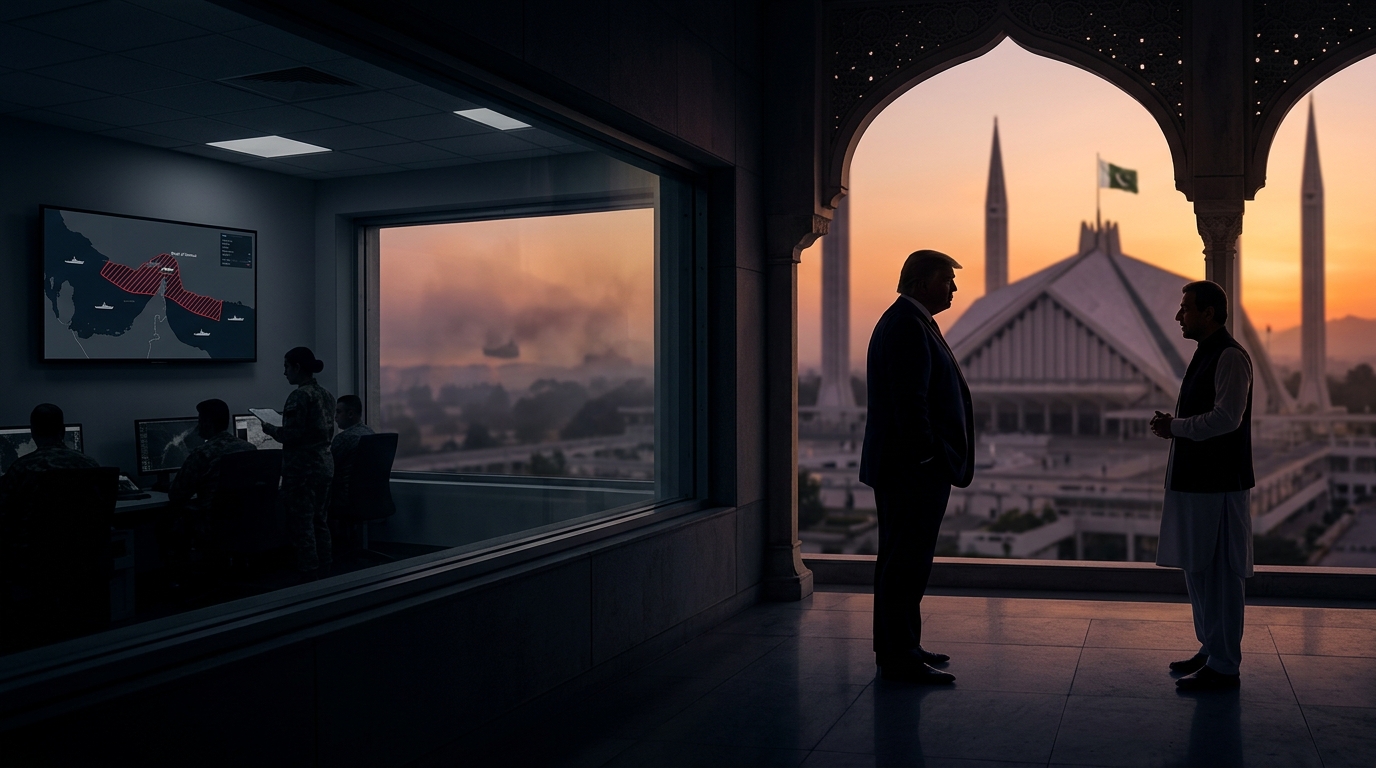
On 15 April 2026, optimism resurfaced for a fresh round of diplomatic talks between the United States and Iran. The US military confirmed that its blockade of Iranian ports was fully operational, while Tehran warned of retaliatory strikes across the region.
Key Developments
- US forces declared the blockade of Iranian maritime hubs to be "in full effect".
- President Donald Trump announced that a second round of talks could be convened "over the next two days".
- The proposed venue for the talks is Islamabad, leveraging existing back channels among regional diplomats.
- Iran signaled readiness to strike "targets across the war‑weary region" if its maritime lifelines remain choked.
Important Facts
The blockade targets major Iranian ports that handle a significant share of the country's oil exports, a critical revenue source. The US statement underscores a strategic shift from direct military engagement to economic pressure. Tehran's retaliatory threat reflects its doctrine of asymmetrical response, aiming to deter prolonged economic coercion.
Both sides have historically used third‑party venues—such as Pakistan—to conduct discreet negotiations, a practice that reduces domestic political fallout while keeping diplomatic options open.
Exam Relevance
Understanding this episode helps aspirants grasp:
- The role of economic instruments like blockades in contemporary foreign policy (GS3: Economy).
- The significance of back‑channel diplomacy in de‑escalating high‑tension conflicts (GS2: Polity).
- The strategic importance of the Middle East and South Asia in India’s external affairs, especially regarding energy security and regional stability (GS2: Polity).
- The impact of leadership rhetoric on international negotiations, exemplified by Trump's statements (GS2: Polity).
Way Forward
Analysts suggest three possible trajectories:
- Negotiated de‑escalation: Successful talks in Islamabad could lead to a phased lifting of the blockade, contingent on Iranian assurances against regional aggression.
- Escalation of coercive measures: If talks stall, the US may intensify maritime interdictions, prompting broader regional involvement.
- Multilateral mediation: Involving the United Nations or regional bodies could provide a platform for a durable settlement, aligning with India’s advocacy for peaceful conflict resolution.
For UPSC candidates, tracking the outcome will illustrate how diplomatic flexibility, economic pressure, and strategic geography intersect in modern international relations.