Overview
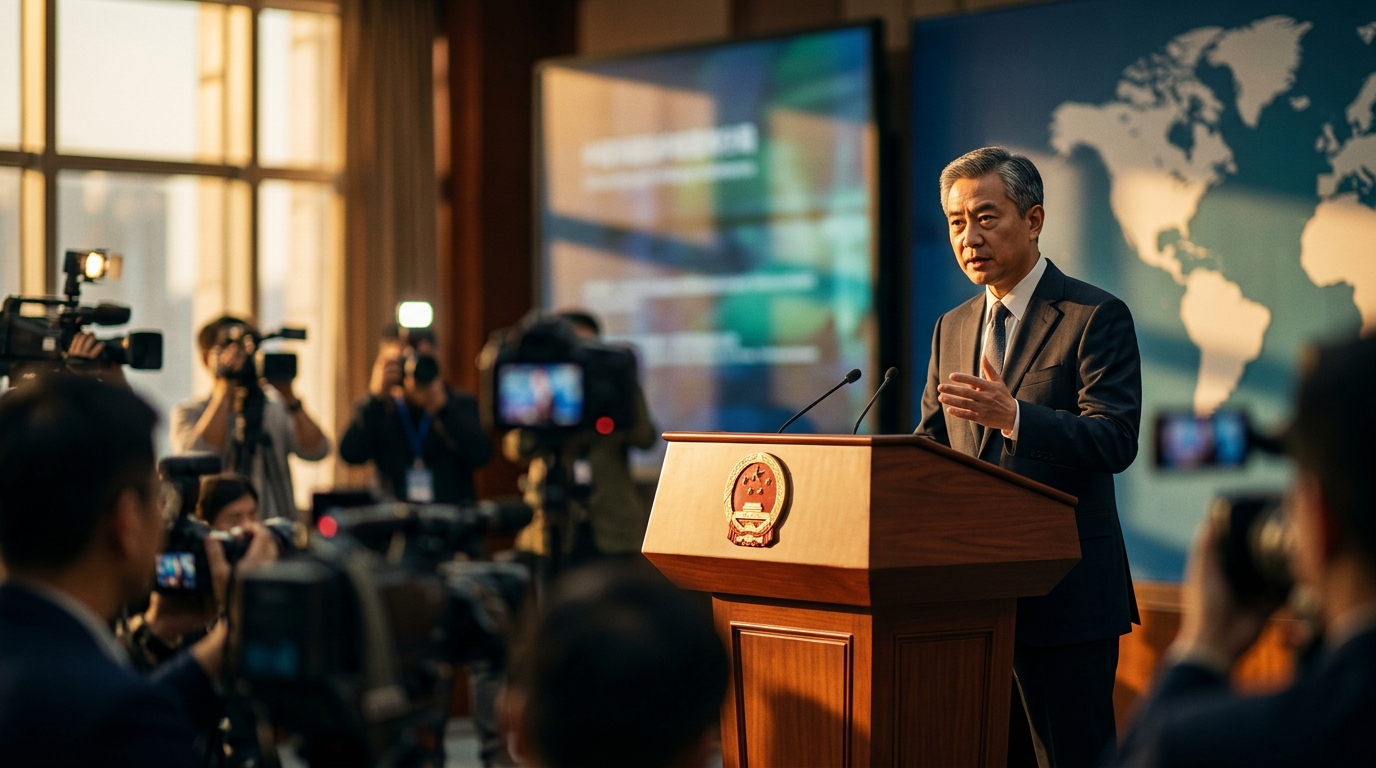
The United States has repeatedly alleged that China is exerting military pressure on Taiwan. On 15 April 2026, a Chinese government spokesperson dismissed these allegations as “distorted” and indicative of “malicious intentions”.
Key Developments
- China has intensified its war games around Taiwan, including a series of live‑fire drills in late December 2025.
- Chen Binhua, representing the Taiwan Affairs Office, accused certain U.S. officials of “jumping up and down” by repeatedly invoking the “mainland threat” narrative.
- The United States continues to voice concern over the security implications of China’s activities, framing them as part of a broader pattern of coercive tactics.
Important Facts
• The most recent Chinese drills involved live‑fire drills, signalling a shift from mere simulations to real‑world combat readiness.
• Beijing maintains that Taiwan is an integral part of its sovereign territory, a stance reiterated in official statements and diplomatic communiqués.
• Washington’s narrative of “military pressure” aligns with its broader Indo‑Pacific strategy aimed at containing China’s rise.
Exam Relevance
The episode illustrates several core themes of the UPSC syllabus: international security dynamics (GS2), the role of strategic communication in statecraft, and the cross‑strait relationship—a recurring topic in both GS2 (Polity) and GS1 (History, given the legacy of the Chinese Civil War). Understanding the terminology—such as “military pressure”, “war games”, and “live‑fire drills”—helps candidates analyse how states project power and how diplomatic narratives are constructed.
Way Forward
Analysts suggest that both sides may engage in confidence‑building measures to prevent escalation. For India, monitoring the development is crucial for shaping its own Indo‑Pacific policy, balancing ties with the United States while managing a complex relationship with China. Aspirants should track subsequent statements from the Taiwan Affairs Office and any U.S. diplomatic responses, as they will shape the strategic calculus in the region.