Overview
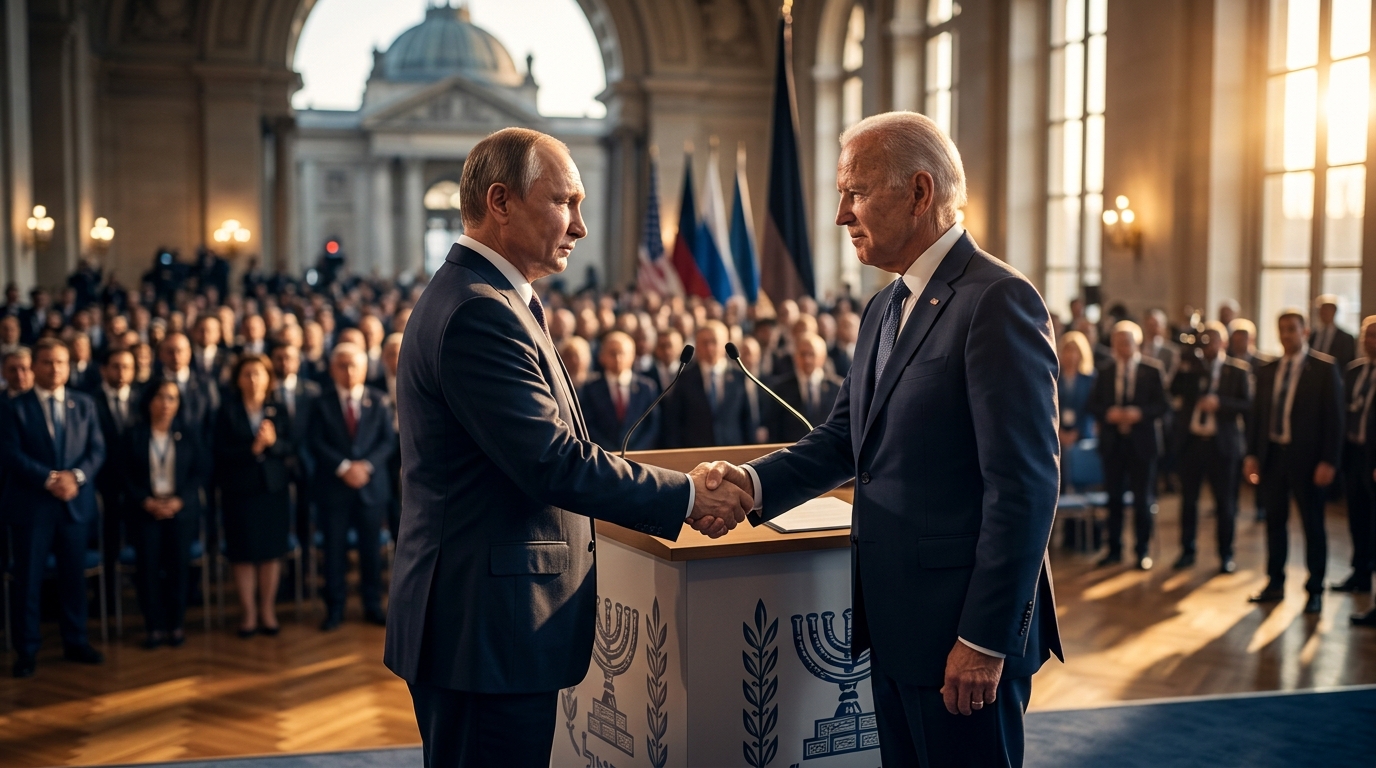
On 26 February 2026, during State visit of Prime Minister Narendra Modi to Israel, the two nations upgraded their relationship to a special strategic partnership. The leaders also agreed to fast‑track a free trade deal and signed multiple MoUs across sectors such as AI, cybersecurity, education and finance.
Key Developments
- Both countries signed MoUs covering AI, cybersecurity, and education.
- An agreement was reached to enable the use of UPI in Israel, expanding digital financial connectivity.
- The two sides committed to finalising a free trade deal that promises mutual economic benefits.
- High‑level talks were held between Prime Minister Narendra Modi and President Isaac Herzog, described as “fruitful and wide‑ranging”.
- Modi publicly endorsed the Gaza peace initiative, signalling India’s broader diplomatic stance in the Middle East.
Important Facts
The agreements were signed over a two‑day period, reflecting a rapid acceleration of bilateral cooperation. The inclusion of UPI in Israel marks the first such cross‑border deployment of India’s payment infrastructure. Both governments highlighted the “time‑tested” nature of their relationship, underscoring historical ties dating back to the 1950s.
Exam Relevance
Understanding this development is vital for GS 2 (Polity) and GS 3 (Economy). The shift to a special strategic partnership illustrates India’s strategic autonomy and diversification of allies. The prospective free trade deal offers a case study on trade policy, market access, and the role of MoUs in advancing national interests. The adoption of UPI abroad showcases India’s export of digital infrastructure, relevant to questions on technology diplomacy and financial inclusion.
Way Forward
Both governments are expected to negotiate the detailed terms of the free trade deal within the next few months. Implementation of the UPI framework will require regulatory alignment and cybersecurity safeguards. For aspirants, monitoring subsequent policy statements will help gauge the impact on India’s trade balance, technology transfer, and geopolitical positioning in the Middle East.