Loading page, please wait…
HomeCurrent AffairsEditorialsGovt SchemesLearning ResourcesUPSC SyllabusPricingAboutBest UPSC AIUPSC AI ToolAI for UPSCUPSC ChatGPT

© 2026 Vaidra. All rights reserved.

PrivacyTerms
Vaidra Logo
Vaidra

Top 4 items + smart groups

UPSC GPT
New
Current Affairs
Daily Solutions
Daily Puzzle
Mains Evaluator

Version 2.0.0 • Built with ❤️ for UPSC aspirants

Iranian Parliament Approves Rial Toll on Vessels in Strait of Hormuz, Bans US and Israeli Ships — UPSC Current Affairs | April 1, 2026
Iranian Parliament Approves Rial Toll on Vessels in Strait of Hormuz, Bans US and Israeli Ships
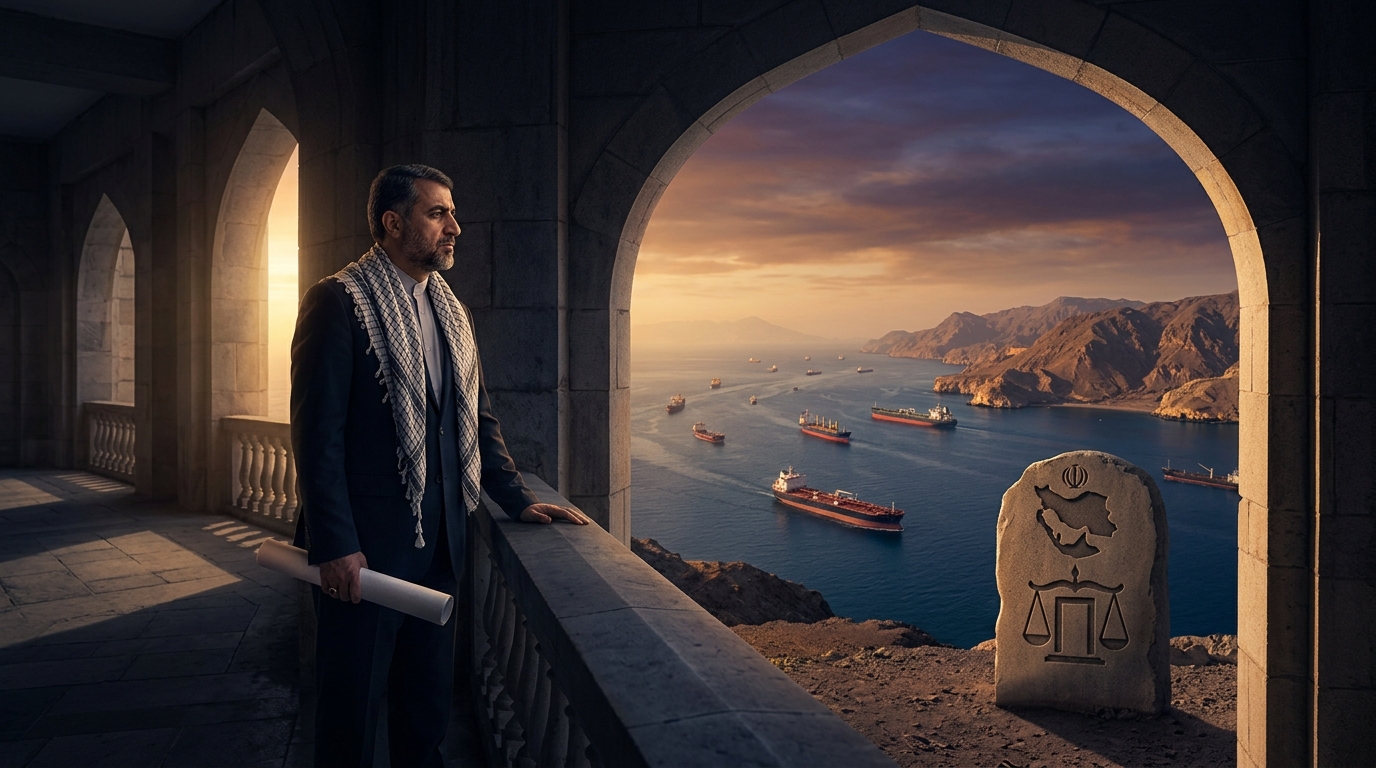
On 30 March 2026, Iran’s parliamentary security commission approved a plan to levy rial tolls on all vessels transiting the strategic <span class="key-term" data-definition="Narrow waterway between Iran and Oman connecting the Persian Gulf with the Arabian Sea; a strategic chokepoint for global oil and gas shipments (GS3: Economy, GS1: Geography)">Strait of Hormuz</span>, while banning US and Israeli ships and rejecting further foreign sanctions. The move aims to offset the 95% decline in traffic caused by the West Asian war, with significant implications for global energy markets and maritime security.
Overview The Iranian state media announced on 30 March 2026 that a parliamentary commission has cleared a plan to levy tolls on all vessels transiting the Strait of Hormuz . The move is framed as a sovereign economic measure and is coupled with a ban on ships from the United States and the "Zionist regime" (Israel). Cooperation with Oman on the opposite bank of the strait is also part of the proposal. Key Developments Introduction of a rial toll system for all commercial traffic. Explicit prohibition of American and Israeli vessels from using the waterway. Clause preventing any foreign country from imposing new sanctions on Iran. Coordination with Oman to manage the toll collection and navigation safety. Important Facts In peacetime, roughly 20% of global crude oil and LNG passes through the strait. Since the onset of the war in West Asia , vessel crossings have dropped by about 95% (data from maritime‑intelligence firm Kpler ). The toll plan is presented as a means to offset revenue losses caused by the sharp decline in transit traffic. Iran’s move could reshape shipping routes, pushing tankers toward the longer route around the Cape of Good Hope or through alternative chokepoints such as the Bab el‑Mandeb. UPSC Relevance Geopolitics & International Relations (GS1/GS2) : The strait is a classic example of a strategic maritime chokepoint; understanding its role helps answer questions on energy security and regional power dynamics. Economic Policy (GS3) : The toll reflects a sovereign fiscal tool to generate revenue amid sanctions, illustrating how states use maritime taxation. Security Studies (GS2) : The ban on US and Israeli ships signals escalation in maritime security postures, relevant for questions on naval strategy and deterrence. Energy & Environment (GS3) : A 95% drop in transits impacts global oil prices and LNG supply, linking to topics on energy markets and climate considerations. Way Forward Monitor how the toll is operationalised and whether international shipping firms seek exemptions. Assess the response of major oil‑importing nations; potential rerouting could affect global freight costs. Track diplomatic engagements between Iran and Oman, as their cooperation will be crucial for safe navigation. Watch for retaliatory measures by the United States, Israel, or allied nations, which could further tighten sanctions regimes.
  1. Home
  2. Prepare
  3. Current Affairs
  4. Iranian Parliament Approves Rial Toll on Vessels in Strait of Hormuz, Bans US and Israeli Ships
Login to bookmark articles
Login to mark articles as complete

Overview

Iran's Rial Toll on Hormuz ships heightens geopolitical stakes and revenue challenges

Key Facts

  1. 30 March 2026: Iranian parliamentary security commission approved a rial toll on all vessels transiting the Strait of Hormuz.
  2. The toll applies to commercial traffic; US and Israeli vessels are explicitly banned from the waterway.
  3. Iran will cooperate with Oman to collect the toll and ensure navigation safety on the strait.
  4. Approximately 20% of global crude oil and LNG pass through Hormuz in peacetime; transits have fallen ~95% since the West Asian war began.
  5. The toll is presented as a sovereign fiscal measure to offset revenue losses from reduced transit traffic and sanctions.
  6. Potential rerouting of tankers to the Cape of Good Hope or Bab el‑Mandeb could raise global freight costs and affect oil prices.

Background & Context

The Strait of Hormuz is a strategic maritime chokepoint linking the Persian Gulf to the Arabian Sea, making it vital for global energy security. Iran's toll and ship bans reflect a blend of economic self‑reliance and geopolitical signaling amid heightened sanctions and regional tensions, topics central to GS2 (Polity & International Relations) and GS3 (Economy).

Mains Answer Angle

GS2 – Discuss how Iran's toll on Hormuz vessels illustrates the use of maritime sovereignty as a tool for economic resilience and geopolitical leverage in contemporary international relations.

Full Article

Read Original on hindu

Analysis

Practice Questions

GS2
Easy
Prelims MCQ

Strategic maritime chokepoints

1 marks
4 keywords
GS2
Medium
Mains Short Answer

Sovereign revenue measures under sanctions

5 marks
4 keywords
GS2
Hard
Mains Essay

Energy security, maritime strategy, and diplomatic response

20 marks
6 keywords
Related:Daily•Weekly

Loading related articles...

Loading related articles...

Tip: Click articles above to read more from the same date, or use the back button to see all articles.

Explore:Current Affairs·Editorial Analysis·Govt Schemes·Study Materials·Previous Year Questions·UPSC GPT