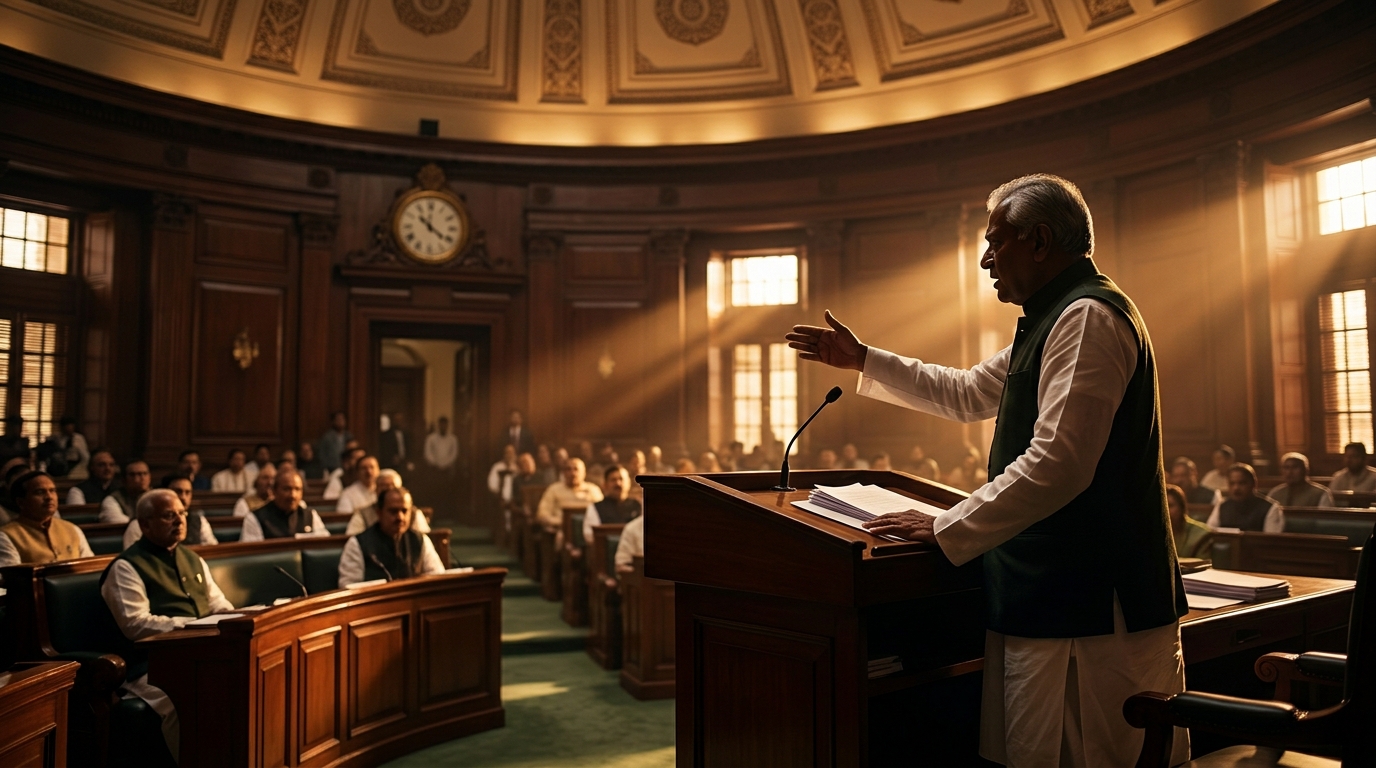
The Ministry of Home Affairs released a statement on 14 April 2026 in which Union Home Minister and Minister of Cooperation Amit Shah reiterated the government’s resolve to introduce and implement the Women’s Reservation Bill.
Key Developments
- Shah described the bill as “the need of the hour” and urged immediate action.
- The Modi government affirmed its commitment to bring the bill to Parliament and ensure its enactment.
- Shah highlighted the bill as a “rightful due of our Nari Shakti to contribute to policymaking and empower the nation.”
- The statement was posted on the social media platform X on 14 April 2026.
Important Facts
The announcement reiterates a long‑standing demand from women’s groups for greater representation. The bill, if passed, would amend the Constitution to reserve one‑third of seats for women, a change not yet effected despite several parliamentary debates. No specific timeline was provided, but the language “without delay” signals political urgency.
Exam Relevance
Understanding the legislation process is essential for GS‑2 (Polity). The proposal touches upon constitutional amendment procedures, gender‑quota policies, and the role of the executive in agenda‑setting. It also reflects the government's approach to social justice, a theme in GS‑4 (Ethics) and GS‑1 (Society). Candidates should note the interplay between political will (executive), parliamentary approval, and civil‑society advocacy.
Way Forward
For the bill to become law, it must secure a two‑thirds majority in both houses of Parliament, followed by presidential assent. Monitoring parliamentary debates, coalition dynamics, and potential opposition from parties wary of altering electoral equations will be crucial. Aspirants should track subsequent statements from the Ministry of Law and Justice and any amendments proposed in the Lok Sabha.