U.S. Embassy in Baghdad Drone Attack – Overview
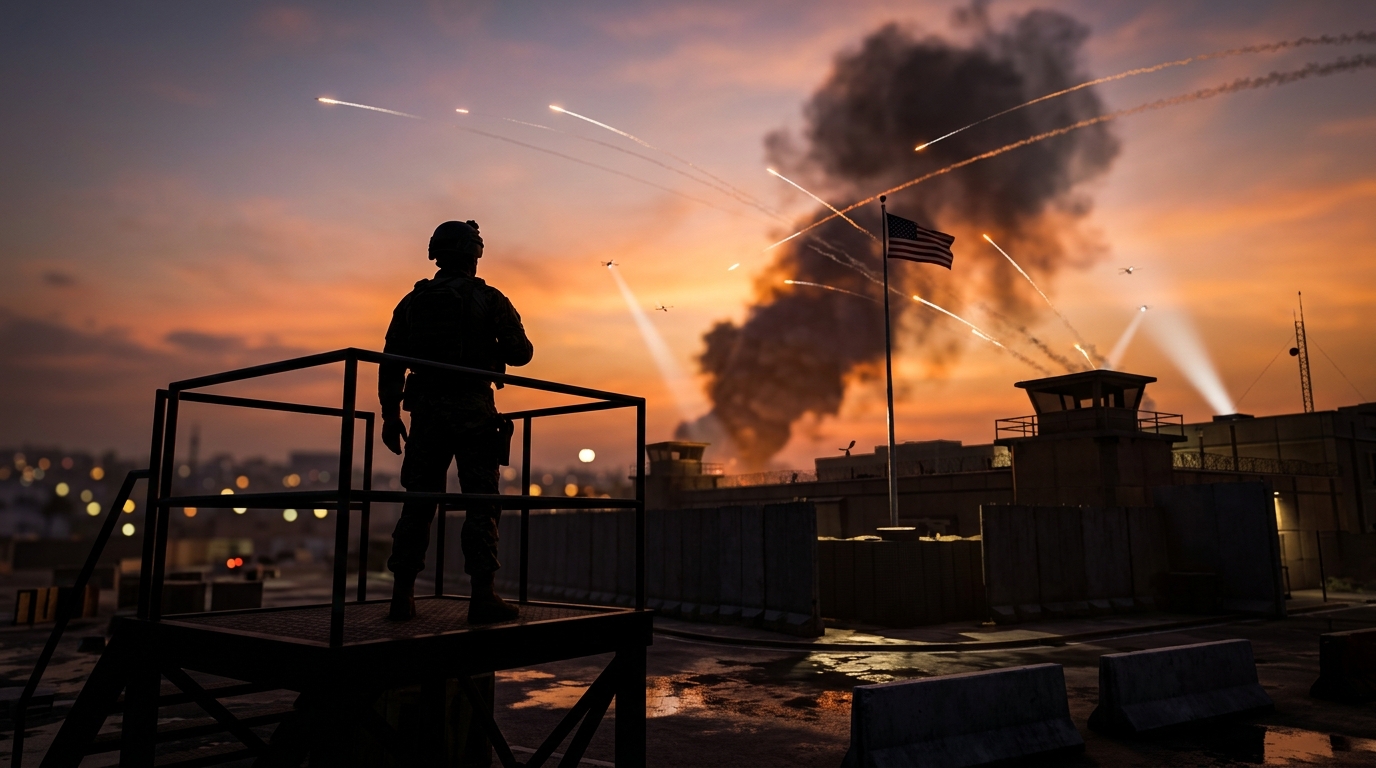
On March 17, 2026, the U.S. embassy in Baghdad came under a coordinated drone strike. The incident marked one of the most intense assaults on the heavily fortified compound in recent weeks, prompting a rapid response from local air‑defence assets.
Key Developments
- Multiple drones approached the embassy perimeter during the early hours of the night.
- Air‑defence systems activated, firing into the sky and reportedly intercepting several incoming drones.
- Iraqi security sources described the episode as one of the most intense attacks on the diplomatic enclave in recent weeks, underscoring heightened volatility in the capital.
- No casualties were reported among embassy staff or civilians, but the incident raised concerns about the security of foreign missions in Iraq.
Important Facts
The embassy compound in Baghdad is surrounded by multiple layers of security, including perimeter walls, armed guards, and electronic surveillance. The recent drone incursion breached the outer visual detection zone, forcing the activation of short‑range surface‑to‑air missiles. While exact numbers of drones intercepted were not disclosed, eyewitness footage captured a flurry of tracer fire illuminating the night sky.
Historically, diplomatic missions in Iraq have faced threats ranging from mortar attacks to suicide bombings. The use of drones represents a newer threat vector, reflecting broader trends in regional conflict where non‑state actors employ low‑cost, remotely piloted systems to challenge state security apparatuses.
Exam Relevance
Understanding this incident helps aspirants grasp several core UPSC themes:
- International Relations (GS2): The safety of diplomatic missions is a barometer of bilateral ties and regional stability.
- Security & Defence (GS3): The emergence of drone warfare reshapes conventional defence doctrines and necessitates upgrades in air‑defence capabilities.
- Internal Security (GS2): The role of Iraqi security sources highlights challenges faced by host nations in protecting foreign entities.
- Technology & Innovation (GS3): The proliferation of affordable UAVs underscores the need for policy responses on regulation, counter‑UAV measures, and cyber‑physical security.
Way Forward
Policy analysts suggest a multi‑pronged approach:
- Strengthening air‑defence infrastructure around diplomatic zones, possibly with allied assistance.
- Enhancing intelligence sharing between the United States, Iraq, and regional partners to pre‑empt drone launch sites.
- Developing legal frameworks governing the use of commercial‑off‑the‑shelf drones for hostile purposes.
- Conducting regular security drills for embassy personnel to mitigate casualties in future attacks.
For UPSC candidates, tracking such incidents offers insight into evolving security challenges and the diplomatic implications of emerging technologies.