Overview
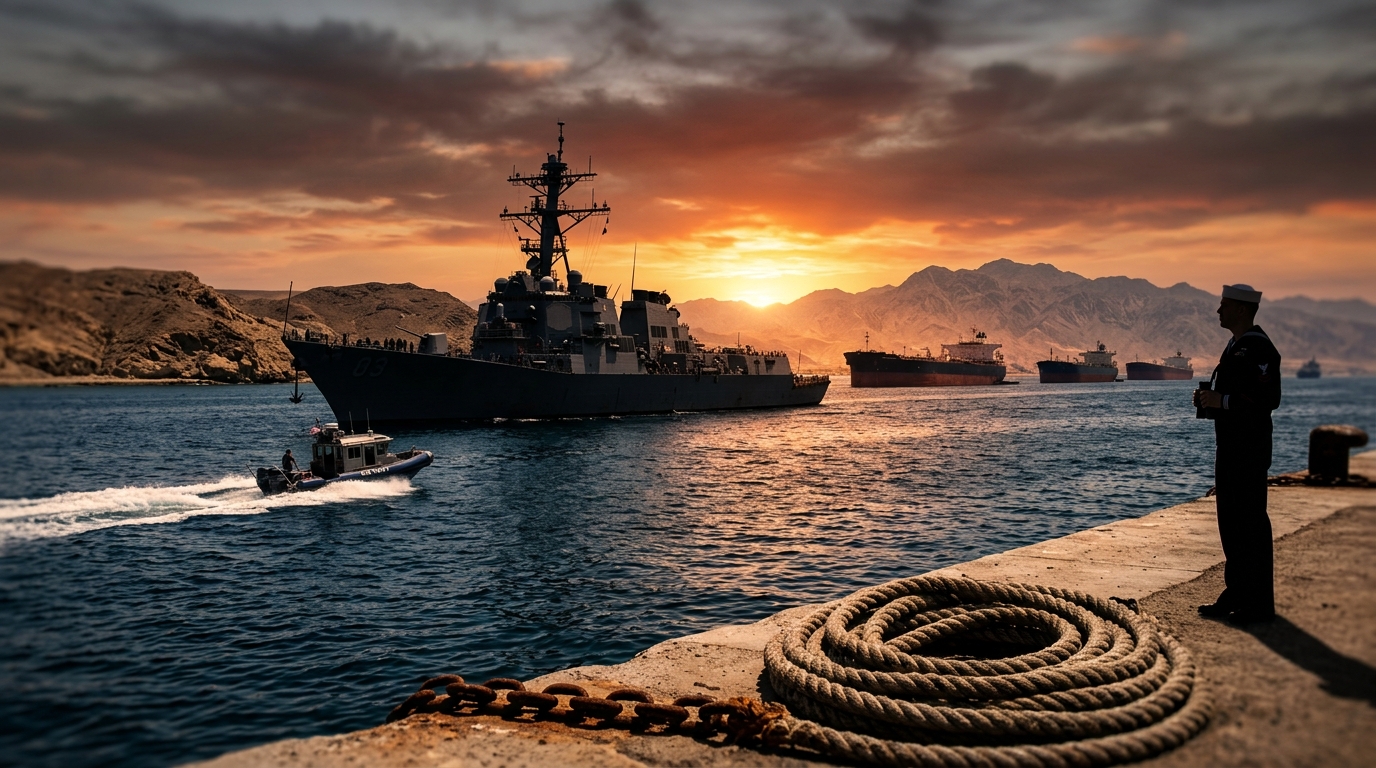
Since late February 2026, the Strait of Hormuz has become the flashpoint of a deepening energy and security crisis. The tension escalated after President Donald Trump ordered a U.S. naval blockade of vessels bound for or from Iran. The move followed U.S. and Israeli strikes on Iranian targets, prompting Tehran to tighten restrictions on the waterway.
Key Developments
- U.S. forces began intercepting and turning back commercial tankers heading to Iranian ports, effectively creating a blockade.
- The International Energy Agency (IEA) warned that the disruption is “more severe than the oil shocks of the 1970s.”
- Daily transits fell dramatically from roughly 130 vessels to only a handful on several days.
- A tentative cease‑fire in April 2026 allowed a limited number of ships to pass, but the threat of renewed hostilities keeps most tankers away.
Important Facts
The blockade has immediate repercussions for global energy flows. Oil prices spiked as markets reacted to the reduced supply route, echoing the price volatility experienced during the 1970s oil shocks. The IEA’s assessment underscores the strategic importance of the strait, which carries about 20 % of the world’s petroleum. Even a short‑term reduction in tanker traffic can ripple through economies dependent on oil imports.
Exam Relevance
Understanding this crisis is vital for several UPSC dimensions:
- Geopolitics (GS2): The incident illustrates how maritime chokepoints influence power dynamics in the Middle East and affect India’s energy security.
- Energy Economics (GS3): The sharp decline in oil transit volumes demonstrates supply‑side shocks and their impact on global price stability.
- International Organisations (GS3): The IEA’s rol