Overview
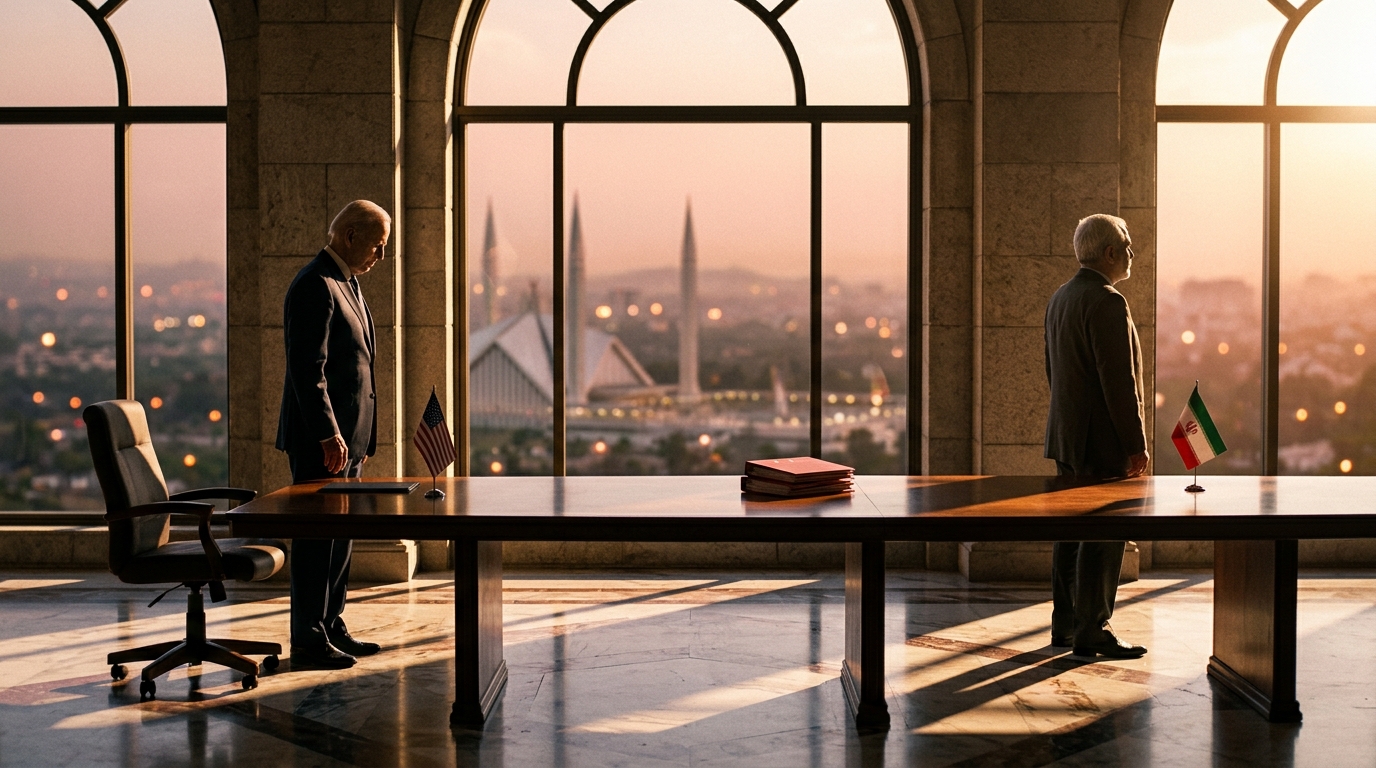
On Monday, 20 April 2026, the much‑anticipated second round of U.S.-Iran peace talks entered a phase of uncertainty. Both sides displayed brinkmanship, and the venue for the next meeting is expected to be Islamabad, where Pakistani authorities have stepped up security measures.
Key Developments
- The ceasefire between the United States and Iran, announced for two weeks, is set to expire on Wednesday, 22 April 2026.
- Iran’s Foreign Ministry Spokesperson Esmaeil Baqaei said Tehran has not yet decided whether to attend the next round of talks.
- Lebanese President Joseph Aoun announced that bilateral talks with Israel will be led by former ambassador Simon Karam.
- Iran’s Legal Medicine Organisation reported a new death toll of 3,375 in the ongoing conflict with Israel and the United States, with only four victims remaining unidentified.
- U.S. President Donald Trump posted on Truth Social that the Iranian vessel Touska was stopped by the guided‑missile destroyer USS Spruance, which allegedly “blowed a hole in the engine room.”
Important Facts
The two‑week ceasefire, initiated on 8 April 2026, was intended to provide a diplomatic window for dialogue. Its imminent expiry raises the risk of renewed hostilities. Pakistan’s heightened security in Islamabad underscores the city’s role as a neutral venue, a pattern seen in past Indo‑Pak and US‑China talks. Iran’s forensic agency, the Legal Medicine Organisation, has been tracking casualties, a figure that influences both domestic opinion and international pressure.
Exam Relevance
These developments touch upon several GS papers: GS2 – International Relations (US‑Iran negotiations, Pakistan’s diplomatic role, Lebanon‑Israel talks), GS3 – Governance & Security (ceasefire mechanisms, casualty reporting), and GS4 – Ethics & Media (use of personal social‑media platforms for official statements). Understanding the dynamics of ceasefires, the choice of neutral venues, and the impact of media narratives is essential for answering essay and case‑study questions.
Way Forward
Analysts suggest three immediate steps: (1) Extend the ceasefire through a mutually‑acceptable mechanism to prevent escalation; (2) Conduct the Islamabad talks with a clear agenda, possibly mediated by a neutral third party; and (3) Strengthen verification mechanisms for casualty figures to ensure transparency. For UPSC aspirants, tracking the outcomes of these talks will provide insight into the evolving security architecture of South Asia and the broader Indo‑Pacific region.