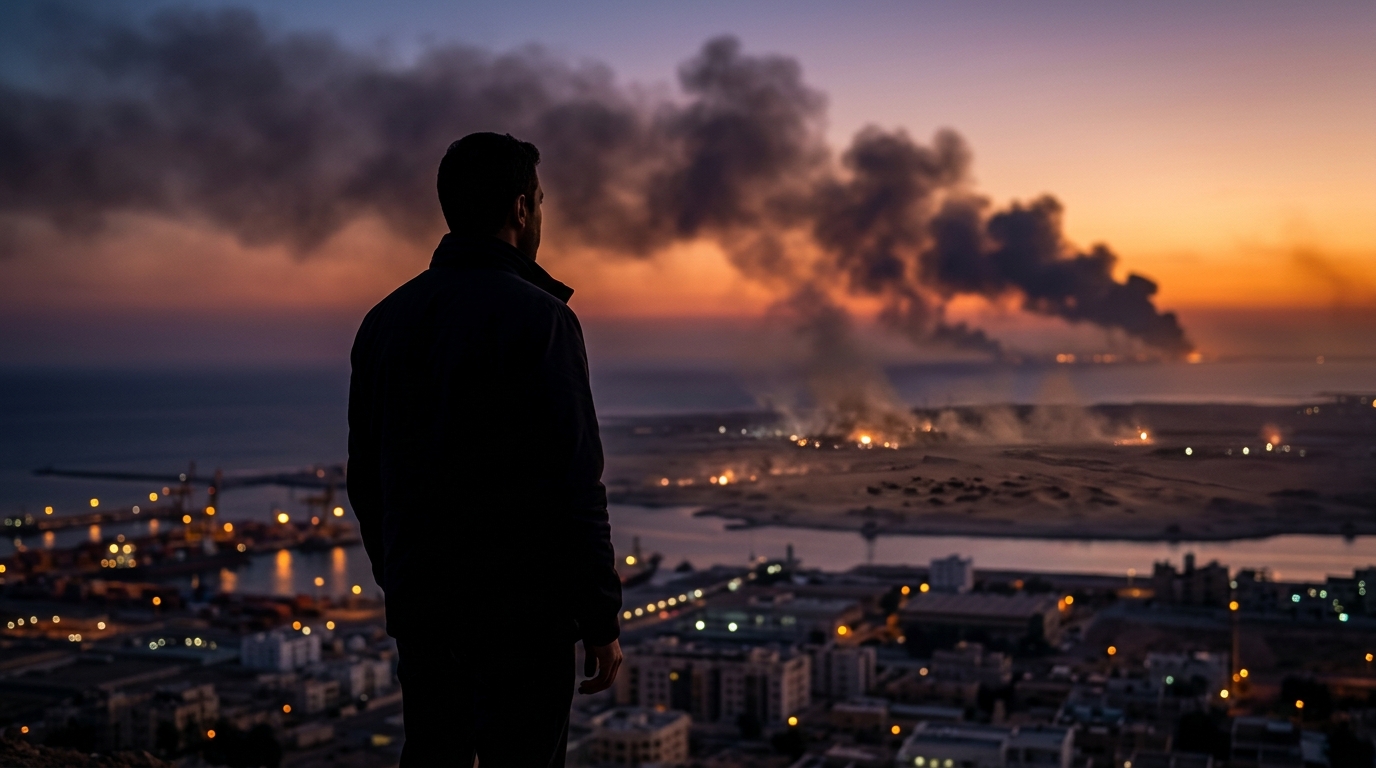
Escalation of the Israel‑Iran Conflict – March 2026
On 2 March 2026 hostilities intensified after coordinated Israel and Hezbollah exchanged fire. The clash follows a series of U.S.‑Israeli air campaign against Iranian targets, which has now spread to Gulf states and a British base in Cyprus.
Key Developments (Day 2 – 1 March 2026)
- U.S. President Donald Trump pledged retaliation for the deaths of American service members, warning that the war with Iran could last several weeks.
- In Kuwait City, fire erupted inside the U.S. Embassy compound; the Kuwaiti defence ministry reported that several American warplanes crashed, with pilots hospitalized in stable condition.
- The Revolutionary Guards claimed missile strikes on the office of Israeli Prime Minister Benjamin Netanyahu and the headquarters of the Israeli air‑force commander.
- The Red Crescent Society reported 555 deaths in Iran and attacks on more than 130 cities. Israeli authorities confirmed 11 fatalities on their side.
Important Facts
• The conflict has already involved multiple theatres: the Levant, the Gulf, and the Eastern Mediterranean.
• Casualties exceed five‑hundred in Iran, highlighting the humanitarian dimension of modern proxy wars.
• The crash of U.S. aircraft on foreign soil raises questions about the safety of American forces operating in volatile regions.
Exam Relevance
1. Geopolitics & International Relations (GS‑2): The episode illustrates the interplay of regional powers (Israel, Iran, Saudi‑Gulf states) and extra‑regional actors (U.S., UK). Understanding the strategic calculus of deterrence, proxy warfare, and alliance dynamics is essential for essay questions on South‑Asian security.
2. Security & Defence (GS‑2): The role of the Revolutionary Guards in missile strikes underscores Iran’s asymmetric capabilities, a topic frequently asked in GS‑2 papers.
3. Humanitarian Impact (GS‑3): The figures from the Red Crescent Society provide data for questions on disaster management and civilian casualties in conflict zones.
Way Forward
• Diplomatic channels: Immediate engagement through the United Nations and regional organisations (GCC, Arab League) to de‑escalate and prevent a broader war.
• Confidence‑building measures: Mutual cessation of air strikes, exchange of prisoners, and third‑party monitoring could reduce the risk of accidental escalation.
• Humanitarian response: International agencies should coordinate with the Red Crescent Society to deliver aid to affected civilians, a key aspect of India’s foreign‑policy commitments.
Understanding these developments equips aspirants to analyse contemporary security challenges, assess policy options, and answer UPSC questions on international relations, defence strategy, and humanitarian law.