Loading page, please wait…
HomeCurrent AffairsEditorialsGovt SchemesLearning ResourcesUPSC SyllabusPricingAboutBest UPSC AIUPSC AI ToolAI for UPSCUPSC ChatGPT

© 2026 Vaidra. All rights reserved.

PrivacyTerms
Vaidra Logo
Vaidra

Top 4 items + smart groups

UPSC GPT
New
Current Affairs
Daily Solutions
Daily Puzzle
Mains Evaluator

Version 2.0.0 • Built with ❤️ for UPSC aspirants

2026 Nepal General Election Triggered by Gen‑Z Protest: Key Parties, Candidates & UPSC Implications — UPSC Current Affairs | March 5, 2026
2026 Nepal General Election Triggered by Gen‑Z Protest: Key Parties, Candidates & UPSC Implications
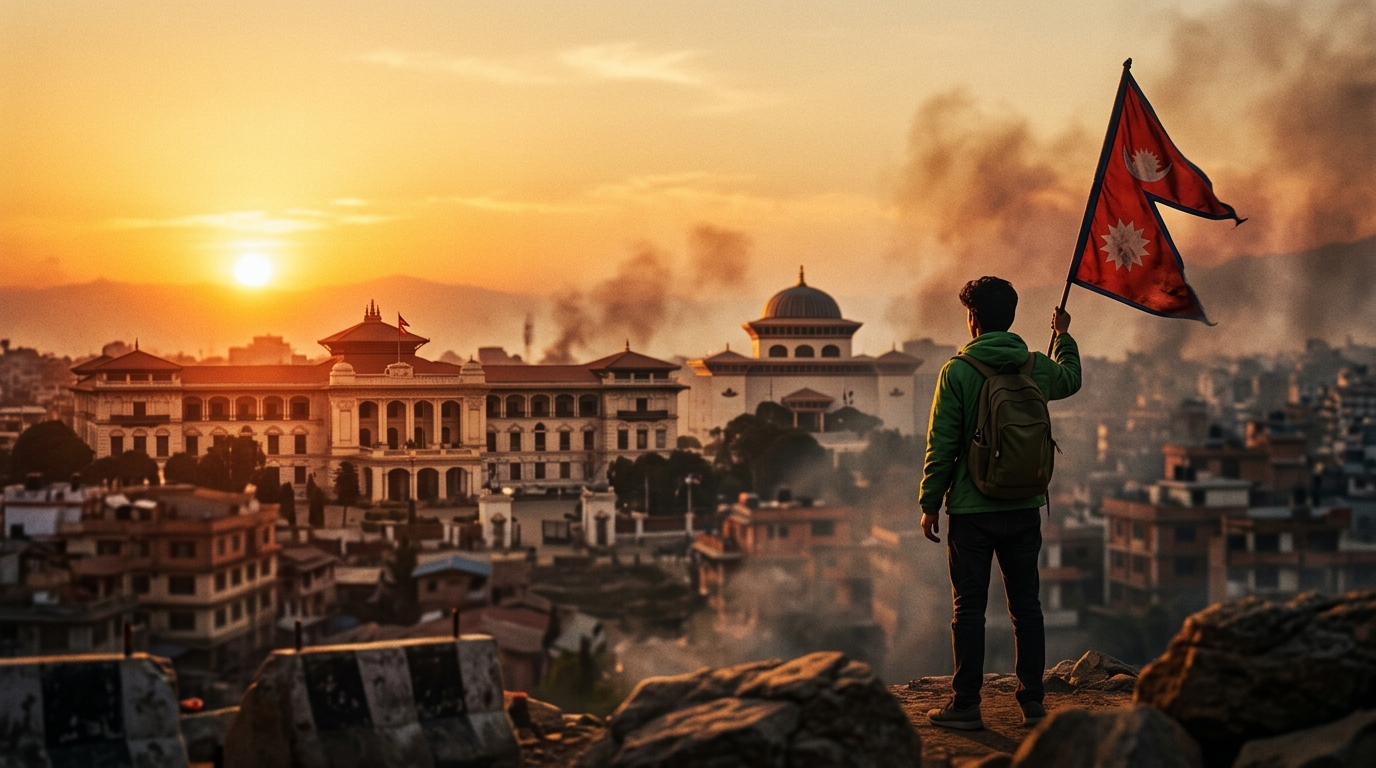
In March 2026, Nepal held a snap general election after a Gen‑Z protest toppled the K.P. Sharma Oli government. Around 65 parties, led by CPN‑UML, NCP, RSP, NC and RPP, contested 275 seats, with key candidates including Oli, Balendra Shah, Gagan Thapa and Prachanda, making the poll a crucial case study of youth‑driven political change for UPSC aspirants.
On 7 March 2026 , Nepal began a snap general election after the K.P. Sharma Oli government fell in 2025 following a massive youth‑led protest . The poll is being held two years early, with voting from 7 a.m. to 5 p.m. and immediate counting once ballot boxes are collected. Key Developments Approximately 65 parties are contesting for the House of Representatives (275 seats). Four major parties dominate the contest: CPN‑UML , Nepali Communist Party (NCP), RSP , RPP , and the Nepali Congress (NC) . Prominent candidates include former PM K.P. Sharma Oli (CPN‑UML, Jhapa‑5), rapper‑turned‑politician Balendra Shah (RSP, Jhapa‑5), youth leader Gagan Thapa (NC, Sarlahi‑4) and former Maoist chief Pushpa Kamal Dahal ‘Prachanda’ (NCP, Eastern Rukum‑1). Important Facts Election timing: Conducted two years ahead of schedule due to the September 2025 protest. Voter sentiment: Strong demand for anti‑corruption measures, generational change, and reduced patronage politics. Party positioning: CPN‑UML seeks a comeback under Oli. RSP promotes clean governance and youth leadership. RPP pushes for monarchy restoration and a Hindu nation. NC attempts to rejuvenate its image under Gagan Thapa. UPSC Relevance The election illustrates the dynamics of political transition driven by youth activism, a recurring theme in GS‑2 (Polity). Understanding the role of House of Representatives and the interplay of ideological spectra—from left‑wing communists to right‑wing monarchists—helps aspirants analyse coalition politics, party fragmentation, and the impact of protest movements on democratic institutions. Way Forward Monitor post‑election coalition formations, especially how traditional parties negotiate with emerging centrist forces like RSP . Assess policy shifts on anti‑corruption, governance reforms, and youth participation, which could influence Nepal’s development trajectory and regional geopolitics. Track whether the protest‑driven demand for generational change translates into substantive legislative action, a key indicator for future political stability.
  1. Home
  2. Prepare
  3. Current Affairs
  4. 2026 Nepal General Election Triggered by Gen‑Z Protest: Key Parties, Candidates & UPSC Implications
Login to bookmark articles
Login to mark articles as complete

Overview

Gen‑Z protest forces snap Nepal election, reshaping South Asian democratic politics

Key Facts

  1. Election held on 7 March 2026 after September 2025 youth‑led protest forced the fall of the K.P. Sharma Oli government.
  2. A total of 65 parties contested for 275 seats in the House of Representatives.
  3. Four major parties dominate: CPN‑UML, Nepali Communist Party (NCP), Rastriya Swotantra Party (RSP) and Nepali Congress (NC); Rastriya Prajatantra Party (RPP) also plays a key role.
  4. Prominent candidates: former PM K.P. Sharma Oli (CPN‑UML), rapper‑politician Balendra Shah (RSP), youth leader Gagan Thapa (NC) and former Maoist chief Pushpa Kamal Dahal ‘Prachanda’ (NCP).
  5. Voting ran from 7 a.m. to 5 p.m. with immediate counting of ballot boxes.
  6. Voter sentiment centred on anti‑corruption, generational change and curbing patronage politics.

Background & Context

The snap election underscores how youth activism can trigger political transitions, a core theme in GS‑2 (Polity). It also highlights the challenges of coalition‑driven governance in a fragmented party system and the demand for clean‑governance reforms, linking to GS‑4 concerns on probity and public service delivery.

UPSC Syllabus Connections

GS4•Work culture, quality of service delivery, utilization of public funds, corruption

Mains Answer Angle

In GS‑2, candidates can analyse the impact of Gen‑Z protests on Nepal’s democratic transition and the ensuing coalition dynamics, framing the answer around youth‑driven demand for anti‑corruption reforms.

Full Article

Read Original on hindu

Analysis

Practice Questions

Prelims
Easy
Prelims MCQ

Timeline and conduct of Nepal’s 2026 general elections

2 marks
4 keywords
GS2
Medium
Mains Short Answer

Impact of youth‑led protests on Nepal’s democratic transition

5 marks
4 keywords
GS2
Hard
Mains Essay

Youth‑driven political change and its implications for governance

250 marks
6 keywords
Related:Daily•Weekly

Loading related articles...

Loading related articles...

Tip: Click articles above to read more from the same date, or use the back button to see all articles.

Explore:Current Affairs·Editorial Analysis·Govt Schemes·Study Materials·Previous Year Questions·UPSC GPT