Loading page, please wait…
HomeCurrent AffairsEditorialsGovt SchemesLearning ResourcesUPSC SyllabusPricingAboutBest UPSC AIUPSC AI ToolAI for UPSCUPSC ChatGPT

© 2026 Vaidra. All rights reserved.

PrivacyTerms
Vaidra Logo
Vaidra

Top 4 items + smart groups

UPSC GPT
New
Current Affairs
Daily Solutions
Daily Puzzle
Mains Evaluator

Version 2.0.0 • Built with ❤️ for UPSC aspirants

सुप्रीम कोर्ट ने डीजीपी नियुक्तियों के लिए राज्य‑स्तरीय कोलेजियम को खारिज किया, यूपीएससी पैनल की भूमिका को बरकरार रखा

सुप्रीम कोर्ट ने डीजीपी नियुक्तियों के लिए राज्य‑स्तरीय कोलेजियम को खारिज किया, यूपीएससी पैनल की भूमिका को बरकरार रखा
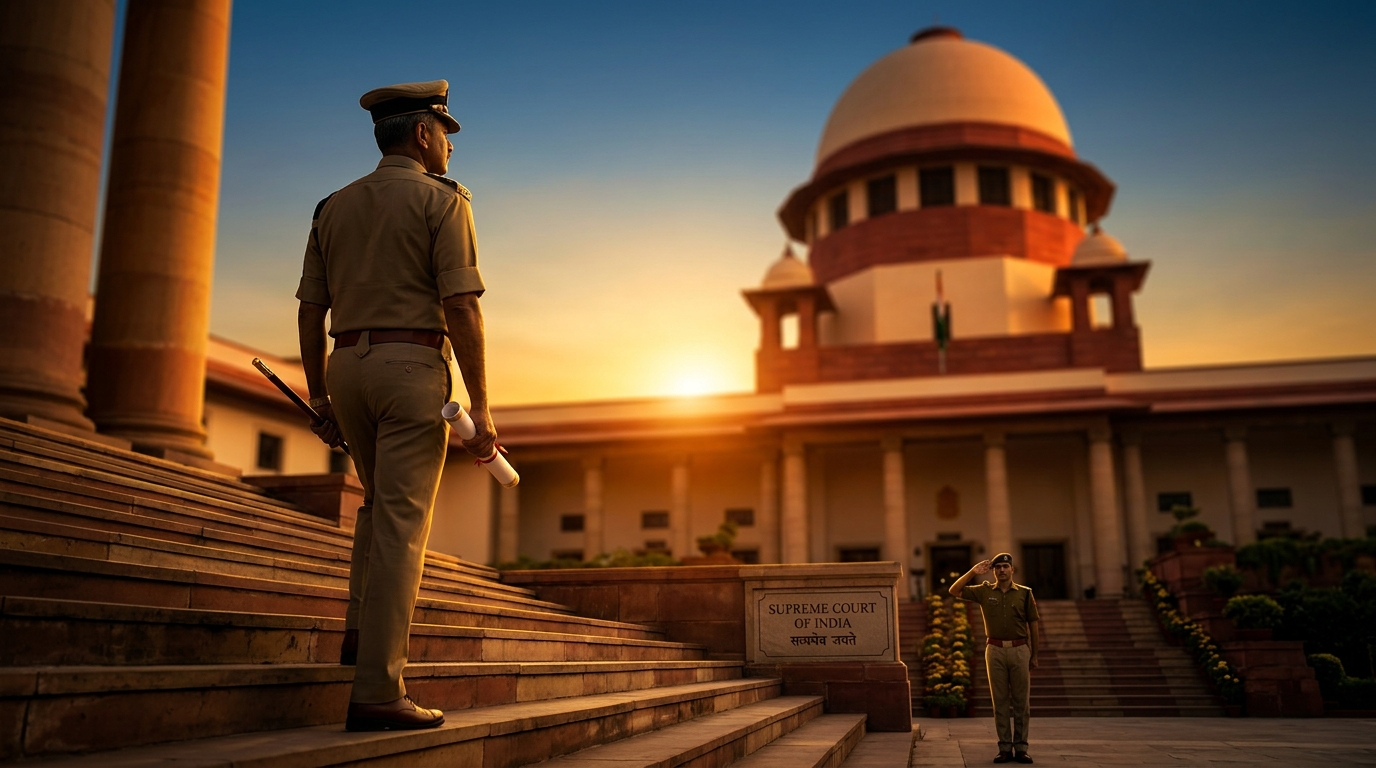
सुप्रीम कोर्ट ने, मुख्य न्यायाधीश <strong>Surya Kant</strong> के नेतृत्व में, यह फैसला सुनाया कि मुख्य मंत्री, विपक्ष नेता और एक मंत्री से मिलकर बना कोलेजियम डीजीपी नियुक्त करने के लिए उपयोग नहीं किया जा सकता। कोर्ट ने <span class="key-term" data-definition="Union Public Service Commission — constitutional body that conducts examinations and empanels officers for central and state services, ensuring merit‑based selections (GS2: Polity)">UPSC</span> की भूमिका को एक वस्तुनिष्ठ पैनल तैयार करने में पुनः स्थापित किया, जबकि अंतिम चयन राज्य सरकार के पास रहेगा।
Overview The Supreme Court on 12 March 2026 observed that forming a collegium of the Chief Minister, Leader of Opposition and a minister to select the DGP is not workable. The observation was made by a bench headed by Chief Justice Surya Kant while hearing a petition to modify the Prakash Singh judgment. Key Developments कोर्ट ने डीजीपी नियुक्तियों के लिए तीन‑सदस्यीय कोलेजियम (मुख्य मंत्री, विपक्ष नेता, मंत्री) के प्रस्ताव को खारिज किया। इसने एक central authority —the UPSC —को योग्य अधिकारियों का वस्तुनिष्ठ पैनल तैयार करने की आवश्यकता पर बल दिया। सीनियर एडवोकेट Ramu Ramachandran ने तर्क दिया कि जबकि UPSC शॉर्टलिस्ट कर सकता है, अंतिम निर्णय राज्य सरकार के पास होना चाहिए क्योंकि डीजीपी "विश्वास का पद" है। कोर्ट ने काउंसल Advocate Prashant Bhushan की अनुपस्थिति के कारण मामले को स्थगित कर दिया। Important Facts from the 2006 Direction According to the 2006 direction in the Prakash Singh case, the DGP of a state shall be selected by the State Government from among the three senior‑most officers who have been empanelled for promotion by the UPSC . UPSC Relevance for UPSC Aspirants Understanding the role of the UPSC in police appointments is crucial for both GS II (Polity) and GS III
  1. Home
  2. Prepare
  3. Current Affairs
  4. सुप्रीम कोर्ट ने डीजीपी नियुक्तियों के लिए राज्य‑स्तरीय कोलेजियम को खारिज किया, यूपीएससी पैनल की भूमिका को बरकरार रखा
Login to bookmark articles
Login to mark articles as complete

Overview

gs.gs278% UPSC Relevance

Supreme Court ने DGP नियुक्तियों में UPSC की भूमिका को पुनः स्थापित किया, राज्य कोलेगियम मॉडल को खारिज किया

Key Facts

  1. Supreme Court ने 12 मार्च 2026 को DGP चयन के लिए तीन‑सदस्यीय राज्य कोलेगियम (Chief Minister, Leader of Opposition, minister) को निरस्त किया।
  2. Court ने निर्देश दिया कि UPSC को DGP नियुक्तियों के लिए योग्य अधिकारियों का एक वस्तुनिष्ठ, मेरिट‑आधारित पैनल तैयार करना होगा।
  3. 2006 के Prakash Singh निर्णय में यह अनिवार्य किया गया है कि राज्य सरकार UPSC द्वारा पैनल में शामिल तीन सबसे वरिष्ठ अधिकारियों में से DGP का चयन करे।
  4. Chief Justice Surya Kant ने Prakash Singh दिशानिर्देशों में संशोधन के याचिका की सुनवाई करने वाली बेंच का नेतृत्व किया।
  5. Senior amicus curiae Ramu Ramachandran ने तर्क दिया कि जबकि UPSC शॉर्टलिस्ट कर सकता है, अंतिम निर्णय राज्य के पास रहता है क्योंकि DGP एक ‘विश्वास का पद’ है।
  6. वकील Advocate Prashant Bhushan की अनुपस्थिति के कारण मामला स्थगित किया गया।

Background & Context

यह निर्णय संवैधानिक निकायों—UPSC और राज्य सरकारों—और Prakash Singh मामले द्वारा शुरू किए गए पुलिस सुधार एजेंडा को छूता है। यह वरिष्ठ पुलिस अधिकारियों की नियुक्ति में केंद्रीय मेरिट‑आधारित चयन तंत्र और राज्य स्वायत्तता के बीच तनाव को उजागर करता है, जो GS‑II (Polity) और शासन में एक प्रमुख विषय है।

UPSC Syllabus Connections

GS2•Constitutional posts, bodies and their powers and functionsPrelims_GS•Constitution and Political System

Mains Answer Angle

GS II (Polity) – Supreme Court के 2026 के निर्णय के प्रभावों पर चर्चा करें कि UPSC और राज्य सरकारों के बीच वरिष्ठ पुलिस नियुक्तियों में शक्ति संतुलन कैसे बदलता है, और इसका पुलिस सुधार पर प्रभाव का मूल्यांकन करें।

Full Article

<h2>Overview</h2> <p>The <span class="key-term" data-definition="Supreme Court — the apex judicial body in India that interprets the Constitution and can modify judicial directions (GS2: Polity)">Supreme Court</span> on 12 March 2026 observed that forming a collegium of the Chief Minister, Leader of Opposition and a minister to select the <span class="key-term" data-definition="Director General of Police — the senior-most police officer in a state, responsible for overall policing and law‑and‑order (GS2: Polity)">DGP</span> is not workable. The observation was made by a bench headed by <strong>Chief Justice Surya Kant</strong> while hearing a petition to modify the <span class="key-term" data-definition="Prakash Singh case — a landmark 2006 Supreme Court judgment that laid down guidelines for police reforms, including the selection of DGPs (GS2: Polity)">Prakash Singh</span> judgment.</p> <h3>Key Developments</h3> <ul> <li>कोर्ट ने डीजीपी नियुक्तियों के लिए तीन‑सदस्यीय कोलेजियम (मुख्य मंत्री, विपक्ष नेता, मंत्री) के प्रस्ताव को खारिज किया।</li> <li>इसने एक <strong>central authority</strong>—the <span class="key-term" data-definition="Union Public Service Commission — constitutional body that conducts examinations and empanels officers for central and state services, ensuring merit‑based selections (GS2: Polity)">UPSC</span>—को योग्य अधिकारियों का वस्तुनिष्ठ पैनल तैयार करने की आवश्यकता पर बल दिया।</li> <li>सीनियर एडवोकेट <span class="key-term" data-definition="Amicus Curiae — a friend of the court who assists by providing expertise or information on a matter (GS2: Polity)">Ramu Ramachandran</span> ने तर्क दिया कि जबकि UPSC शॉर्टलिस्ट कर सकता है, अंतिम निर्णय राज्य सरकार के पास होना चाहिए क्योंकि डीजीपी "विश्वास का पद" है।</li> <li>कोर्ट ने काउंसल <strong>Advocate Prashant Bhushan</strong> की अनुपस्थिति के कारण मामले को स्थगित कर दिया।</li> </ul> <h3>Important Facts from the 2006 Direction</h3> <p>According to the 2006 direction in the <span class="key-term" data-definition="Prakash Singh case — a landmark 2006 Supreme Court judgment that laid down guidelines for police reforms, including the selection of DGPs (GS2: Polity)">Prakash Singh</span> case, the DGP of a state shall be selected by the State Government from among the three senior‑most officers who have been empanelled for promotion by the <span class="key-term" data-definition="Union Public Service Commission — constitutional body that conducts examinations and empanels officers for central and state services, ensuring merit‑based selections (GS2: Polity)">UPSC</span>.</p> <h3>UPSC Relevance for UPSC Aspirants</h3> <p>Understanding the role of the <span class="key-term" data-definition="Union Public Service Commission — constitutional body that conducts examinations and empanels officers for central and state services, ensuring merit‑based selections (GS2: Polity)">UPSC</span> in police appointments is crucial for both <strong>GS II (Polity)</strong> and <strong>GS III
Read Original on livelaw

Analysis

Practice Questions

GS2
Easy
Prelims MCQ

पुलिस सुधार – नियुक्ति प्रक्रिया

2 marks
5 keywords
GS2
Medium
Mains Short Answer

पुलिस सुधार – संवैधानिक और वैधानिक ढांचा

10 marks
5 keywords
GS2
Hard
Mains Essay

शासन – पुलिस प्रशासन में केंद्र‑राज्य संबंध

20 marks
7 keywords
Related:Daily•Weekly

Loading related articles...

Loading related articles...

Tip: Click articles above to read more from the same date, or use the back button to see all articles.

Quick Reference

Key Insight

Supreme Court ने DGP नियुक्तियों में UPSC की भूमिका को पुनः स्थापित किया, राज्य कोलेगियम मॉडल को खारिज किया

Key Facts

  1. Supreme Court ने 12 मार्च 2026 को DGP चयन के लिए तीन‑सदस्यीय राज्य कोलेगियम (Chief Minister, Leader of Opposition, minister) को निरस्त किया।
  2. Court ने निर्देश दिया कि UPSC को DGP नियुक्तियों के लिए योग्य अधिकारियों का एक वस्तुनिष्ठ, मेरिट‑आधारित पैनल तैयार करना होगा।
  3. 2006 के Prakash Singh निर्णय में यह अनिवार्य किया गया है कि राज्य सरकार UPSC द्वारा पैनल में शामिल तीन सबसे वरिष्ठ अधिकारियों में से DGP का चयन करे।
  4. Chief Justice Surya Kant ने Prakash Singh दिशानिर्देशों में संशोधन के याचिका की सुनवाई करने वाली बेंच का नेतृत्व किया।
  5. Senior amicus curiae Ramu Ramachandran ने तर्क दिया कि जबकि UPSC शॉर्टलिस्ट कर सकता है, अंतिम निर्णय राज्य के पास रहता है क्योंकि DGP एक ‘विश्वास का पद’ है।
  6. वकील Advocate Prashant Bhushan की अनुपस्थिति के कारण मामला स्थगित किया गया।

Background

यह निर्णय संवैधानिक निकायों—UPSC और राज्य सरकारों—और Prakash Singh मामले द्वारा शुरू किए गए पुलिस सुधार एजेंडा को छूता है। यह वरिष्ठ पुलिस अधिकारियों की नियुक्ति में केंद्रीय मेरिट‑आधारित चयन तंत्र और राज्य स्वायत्तता के बीच तनाव को उजागर करता है, जो GS‑II (Polity) और शासन में एक प्रमुख विषय है।

UPSC Syllabus

  • GS2 — Constitutional posts, bodies and their powers and functions
  • Prelims_GS — Constitution and Political System

Mains Angle

GS II (Polity) – Supreme Court के 2026 के निर्णय के प्रभावों पर चर्चा करें कि UPSC और राज्य सरकारों के बीच वरिष्ठ पुलिस नियुक्तियों में शक्ति संतुलन कैसे बदलता है, और इसका पुलिस सुधार पर प्रभाव का मूल्यांकन करें।

Explore:Current Affairs·Editorial Analysis·Govt Schemes·Study Materials·Previous Year Questions·UPSC GPT
सुप्रीम कोर्ट ने डीजीपी नियुक्तियों के लिए... | UPSC Current Affairs

Related Topics

  • 📚Subject TopicWhat are the Key Facts of the Case and the Supreme Court’s Ruling?
  • 📚Subject TopicWhat are the Supreme Court’s Rulings and Legal Notifications on the Aravallis?
  • 📚Subject TopicSupreme Court Ruling on the SC and ST Act 1989
  • 📰Current AffairsSupreme Court Senior Advocate Venkatesh Defends Menstrual Temple Restrictions in Sabarimala Case
  • 📰Current AffairsSupreme Court Orders Appellate Tribunals of Former HC Judges for West Bengal SIR Appeals