Overview
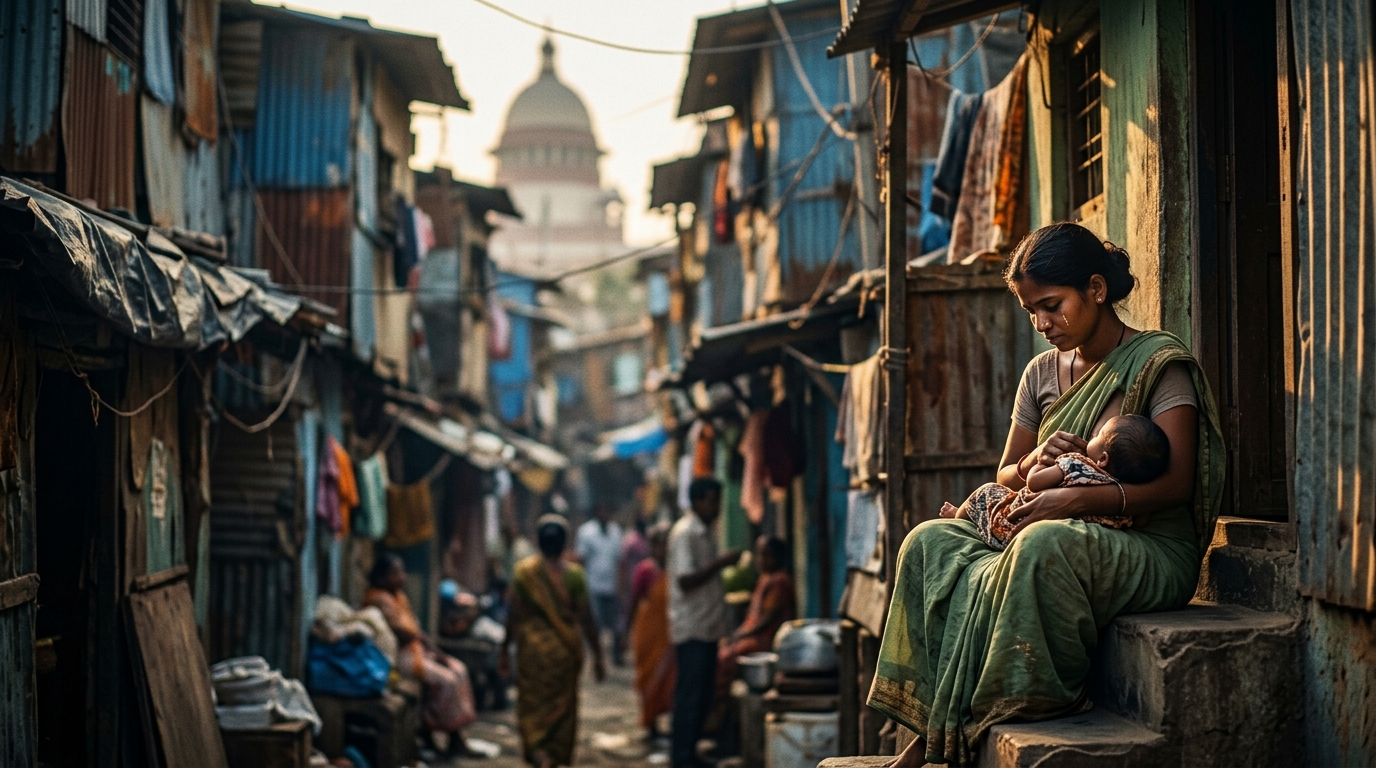
A recent study published in PLOS One highlights a stark disparity in exclusive breastfeeding between India’s urban slums and non‑slum urban areas. While 55.8% of infants in non‑slum neighborhoods receive exclusive breastfeeding, the figure drops to 50.1% in slum settlements, where roughly 65.49 million people reside.
Key Developments
- Urban slums report a 5.7‑percentage‑point lower exclusive‑breastfeeding rate than non‑slum urban areas.
- The study links inadequate breastfeeding to higher risks of diarrhoea, infections, impaired intellectual and motor development, and increased susceptibility to chronic diseases.
- Authors call for urgent, targeted interventions in slum clusters to bridge the gap.
Important Facts
The research underscores that half of all infants in Indian urban slums are not receiving the WHO‑recommended six months of exclusive breastfeeding. This shortfall is significant given the role of early nutrition in reducing child morbidity and mortality. The disparity reflects broader challenges in urban health infrastructure, maternal education, and access to lactation support.
Exam Relevance
Understanding this issue is vital for several UPSC dimensions:
- GS 3 – Health and Family Welfare: Exclusive breastfeeding is a key indicator of maternal‑child health programmes and aligns with the National Health Mission’s objectives.
- GS 4 – Social Justice: The gap between slum and non‑slum areas highlights inequities in service delivery, a core concern for policy‑makers aiming for inclusive development.
- GS 2 – Governance: Implementing effective interventions requires coordination between municipal bodies, health departments, and community organisations.
Way Forward
Policy‑makers should consider a multi‑pronged strategy:
- Strengthen urban slum health infrastructure, including dedicated lactation centres.
- Launch community‑based awareness campaigns targeting mothers, families, and local health workers to promote the benefits of exclusive breastfeeding.
- Integrate breastfeeding support into existing schemes such as the Integrated Child Development Services (ICDS) and the Pradhan Mantri Matru Vandana Yojana (PMMVY).
- Monitor progress through regular surveys and incorporate findings into the National Family Health Survey (NFHS) metrics.
Addressing the breastfeeding gap can substantially improve child health outcomes, reduce disease burden, and contribute to the nation’s broader goals of health security and equitable development.