<h3>Overview</h3>
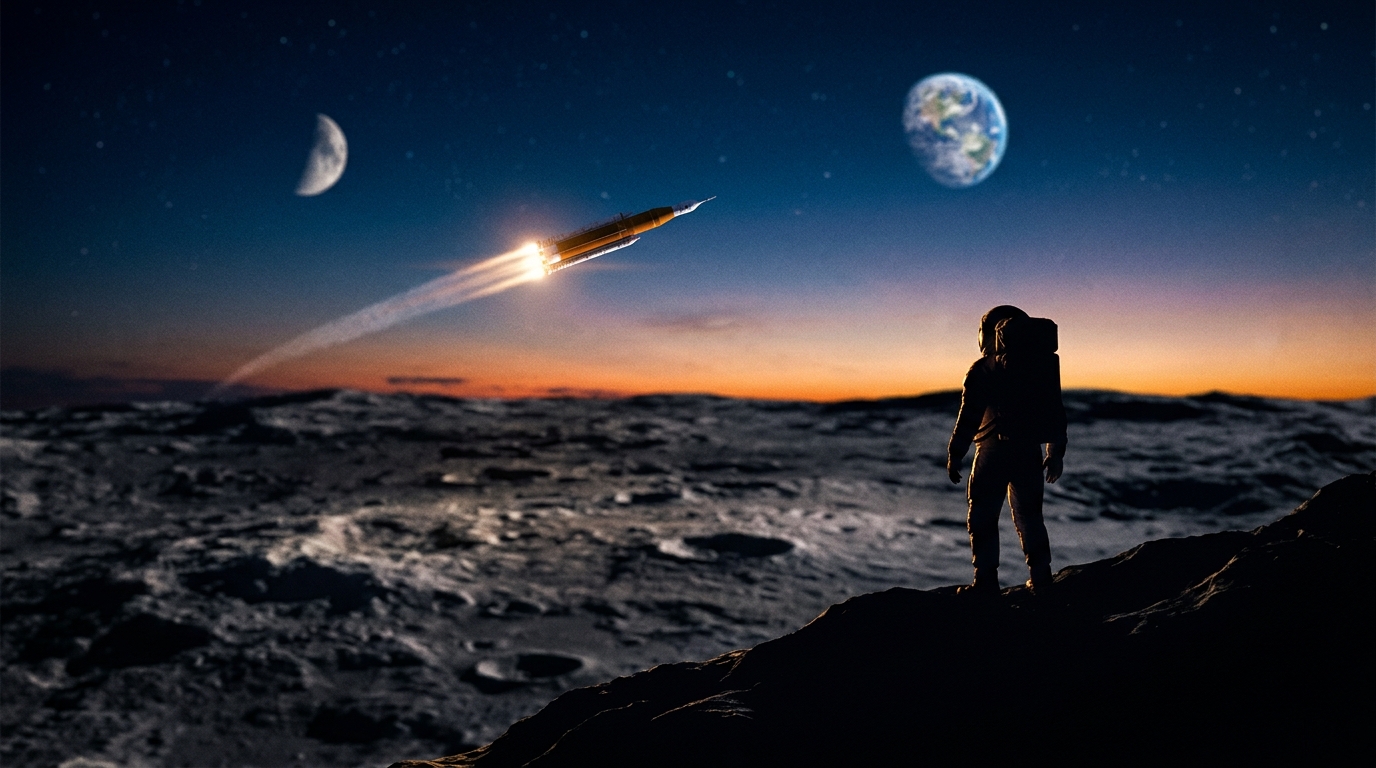
<p>तीन अमेरिकियों और एक कनाडाई के <span class="key-term" data-definition="Artemis II – NASA’s second crewed lunar‑orbit mission, part of the Artemis programme aimed at returning humans to the Moon and establishing a sustainable presence (GS3: Science & Technology)">Artemis II</span> क्रू ने <strong>6 April 2026</strong> को 10‑दिन का परीक्षण उड़ान पूरा किया। निकट चंद्र फ्लाइ‑बाय के बाद, <span class="key-term" data-definition="Orion capsule – NASA’s crewed spacecraft that carries astronauts from Earth to lunar orbit and back, equipped with life‑support and re‑entry systems (GS3: Science & Technology)">Orion capsule</span> ने चंद्रमा के चारों ओर घूमते हुए पृथ्वी की ओर वापसी शुरू की, जिससे नया दूरी रिकॉर्ड स्थापित हुआ।</p>
<h3>Key Developments</h3>
<ul>
<li>पृथ्वी से अधिकतम दूरी: <strong>252,756 miles (406,771 km)</strong>, जो <span class="key-term" data-definition="Apollo 13 – 1970 mission that performed a free‑return trajectory after an in‑flight emergency, holding the previous distance record (GS1: History)">Apollo 13</span> रिकॉर्ड से 4,101 miles अधिक है।</li>
<li>पहली बार क्रू द्वारा <span class="key-term" data-definition="total solar eclipse – alignment of Sun, Moon and Earth where the Moon completely blocks sunlight, offering unique scientific opportunities (GS3: Science & Technology)">total solar eclipse</span> का चंद्रमा के पीछे से अवलोकन।</li>
<li><span class="key-term" data-definition="free‑return lunar trajectory – a flight path that uses the Earth‑Moon gravity system to loop around the Moon and return without major propulsion, reducing fuel needs (GS3: Science & Technology)">free‑return lunar trajectory</span> का सफल कार्यान्वयन, वही मैन्युवर जो Apollo 13 ने उपयोग किया था।</li>
<li>दो दर्जन से अधिक चंद्र विशेषताओं की हाई‑रेज़ोल्यूशन इमेजिंग, जिसमें <strong>Orientale Basin</strong> और Apollo 12 और 14 के ऐतिहासिक लैंडिंग साइट शामिल हैं।</li>
<li>भावनात्मक क्षण: क्रू ने दो नए क्रेटर को “Integrity” और “Carroll” नाम दिया, और Apollo 13 कमांडर <strong>Jim Lovell</strong> का रिकॉर्डेड संदेश प्राप्त किया।</li>
</ul>
<h3>Important Facts</h3>
<p>अंतरिक्ष यान ने चंद्रमा के सतह से केवल <strong>4,067 miles (6,545 km)</strong> की दूरी तक पहुँचकर, सबसे नज़दीकी बिंदु पर <strong>3,139 mph (5,052 kph)</strong> की गति से यात्रा की। अंतरिक्ष यात्रियों ने Nikon कैमरों और iPhones का उपयोग करके छवियां लीं, और चंद्र परिदृश्य को देखते समय “अत्यधिक भावनात्मक अनुभूति” की रिपोर्ट की। संचार ब्लैकआउट से बाहर निकलते समय एशिया, अफ्रीका और ओशिनिया को दिखाते हुए एक अर्थराइज़ कैप्चर किया गया।</p>
<p>मिशन उद्देश्यों में आगामी <span class="key-term" data-definition="lunar south pole – region of the Moon’s permanent shadow where water‑ice deposits are expected, targeted for future crewed landings (GS3: Science & Technology)">lunar south‑pole</span> लैंडिंग के लिए अवलोकनों का अभ्यास भी शामिल था, जो <strong>Artemis IV (2028)</strong> में नियोजित है।</p>
<h3>UPSC Relevance</h3>
<p>अंतरिक्ष मिशन भारत की अपनी <span class="key-"></span></p>