Loading page, please wait…
HomeCurrent AffairsEditorialsGovt SchemesLearning ResourcesUPSC SyllabusPricingAboutBest UPSC AIUPSC AI ToolAI for UPSCUPSC ChatGPT

© 2026 Vaidra. All rights reserved.

PrivacyTerms
Vaidra Logo
Vaidra

Top 4 items + smart groups

UPSC GPT
New
Current Affairs
Daily Solutions
Daily Puzzle
Mains Evaluator

Version 2.0.0 • Built with ❤️ for UPSC aspirants

No One Can Denigrate Any Community By Speeches Or Art; Ministers Must Not Target Any Community: Supreme Court — UPSC Current Affairs | February 25, 2026
No One Can Denigrate Any Community By Speeches Or Art; Ministers Must Not Target Any Community: Supreme Court
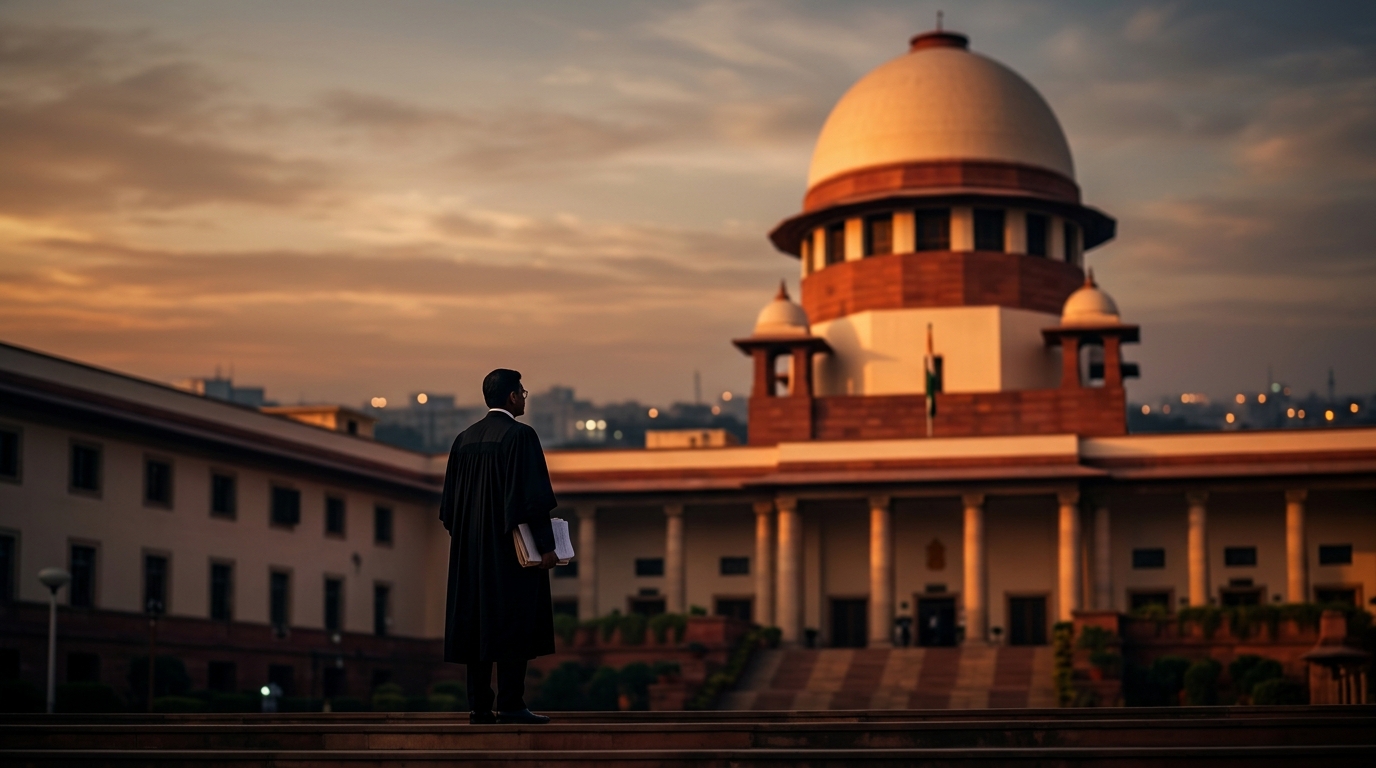
The Supreme Court has observed that it is constitutionally impermissible for anyone, including State and non-State actors, to vilify or denigrate any community through speeches, memes, cartoons or visual art. The Court stressed that public figures holding high constitutional offices, such as ministers, must not target any community on the basis of religion, caste, language or region, as it would violate the Constitution. The remarks assume relevance particularly in the context of recent controversy regarding the speeches made by the Assam Chief Minister. Recently, a bench led by the Chief Justice of India had refused to entertain Article 32 pleas seeking hate speech FIR against the Assam CM, and relegated the parties to the High Court. Justice Ujjal Bhuyan made the observations in his separate judgment in the case petition challenging the Netflix film's title “Ghooskhor Pandat.” A bench comprising Justice BV Nagarathna and Justice Bhuyan closed the case after the makers agreed to change the title. Justice Bhuyan stated that although no adjudication was strictly required after the title was withdrawn, it was necessary to restate the constitutional principles governing fraternity and freedom of expression to avoid any misunderstanding. Fraternity As Constitutional Value The Court emphasized that fraternity is one of the foundational objectives of the Constitution and forms part of the guiding philosophy of the Preamble. Referring to Article 51A(e), the Court noted that every citizen has a fundamental duty to promote harmony and brotherhood transcending religious, linguistic and regional diversities. Dr. Ambedkar highlighted the concept of fraternity and bracketed it with liberty and equality "It is essentially an attitude of respect and reverence towards fellow human beings. Thus, cultivating a sense of brotherhood and respecting fellow citizens irrespective of caste, religion or language is a constitutional dharma each one of us must follow," Justice Bhuyan wrote. Reference was made to the Supreme Court's judgment in the case concerning Section 6A of the Citizenship Act which emphasised that fraternity "was conceived as a concept intended to cultivate a sense of brotherhood amongst all individuals within society." Against this backdrop, the Court stated: "It is constitutionally impermissible for anybody, be it the State or non-State actors, through any medium, such as speeches, memes, cartoons or visual arts, to vilify and denigrate any community." The Court underscored that this principle assumes greater significance when public figures holding high constitutional offices engage in such conduct. "It will be violative of the Constitution to target any particular community on the basis of religion, language, caste or region by whosoever he or she may be. This is particularly true for public figures occupying high constitutional office who have taken the solemn oath to uphold the Constitution." The Court said the concerns expressed earlier by the Bench regarding the film title were therefore "well-founded and valid." During the hearing, the Court had questioned the film's title - which translates as corrupt Pandat - for denigrating a particular section of society. Free Speech And Films At the same time, the Court highlighted that filmmakers enjoy the protection of freedom of speech and expression under Article 19(1)(a) of the Constitution. Justice Bhuyan noted that artistic expression, including films and satire, plays an important role in democratic discourse and cannot be suppressed merely because certain groups object to it. Relying on earlier precedents including S. Rangarajan v. P. Jagjivan Ram, Shreya Singhal v. Union of India and Imran Pratapgadhi v. State of Gujarat, Viacom 18(Padmavat case), the Court reiterated that freedom of expression cannot be held hostage to threats of protest or public disorder. The Court emphasized that films must be judged from the perspective of a reasonable viewer and not that of hypersensitive individuals. It also reiterated that once a film has been certified by the Central Board of Film Certification, courts should ordinarily be slow to interfere with its exhibition. Justice Bhuyan particularly highlighted the caution expressed in Imran Pratapgadhi that courts must not be seen to regulate or stifle the freedom of speech and expression. The observations in Imran Pratapgadhi that a 75-year old Republic should not be so shaky as to feel threatened by a poem or comic show were also extracted. "This would equally apply to the title of a movie as well. I say this and no more," Justice Bhuyan said. Case : Atul Mishra v Union of India Citation : 2026 LiveLaw (SC) 193 Click here to read the judgment
  1. Home
  2. Prepare
  3. Current Affairs
  4. No One Can Denigrate Any Community By Speeches Or Art; Ministers Must Not Target Any Community: Supreme Court
Login to bookmark articles
Login to mark articles as complete

Overview

Supreme Court bars ministers from denigrating any community – a constitutional check on hate speech

Key Facts

  1. In the 2026 judgment (Atul Mishra v Union of India, LiveLaw SC 193), the Supreme Court held that State and non‑State actors cannot vilify any community through speeches, memes, cartoons or visual art.
  2. Ministers and other high constitutional office‑holders are prohibited from targeting any community on the basis of religion, caste, language or region.
  3. The case originated from a petition challenging the Netflix film title “Ghooskhor Pandat”, which was changed after the Court’s observations.
  4. The Court reiterated that while Article 19(1)(a) guarantees freedom of speech, it does not protect hate speech that undermines the constitutional duty of fraternity under Article 51A(e).
  5. A bench led by the Chief Justice of India and Justice Ujjal Bhuyan declined to entertain Article 32 pleas for an FIR against the Assam Chief Minister, directing the matter to the High Court.
  6. The judgment cited earlier precedents such as S. Rangarajan v. P. Jagjivan Ram, Shreya Singhal v. Union of India, Imran Pratapgadhi v. State of Gujarat and the Viacom 18 (Padmavat) case.
  7. Fraternity is affirmed as a foundational constitutional value in the Preamble and under Part IV (Directive Principles) of the Constitution.

Background & Context

The ruling links the constitutional values of secularism, fraternity (Art. 51A(e)) and freedom of expression (Art. 19(1)(a)), underscoring the limits on hate speech by public officials. It is directly relevant to UPSC topics on constitutional morality, governance, and the balance between individual rights and collective harmony.

UPSC Syllabus Connections

Essay•Philosophy, Ethics and Human ValuesPrelims_GS•Constitution and Political SystemGS4•Dimensions of ethics - private and public relationshipsEssay•Society, Gender and Social JusticeEssay•Education, Knowledge and CultureGS2•Executive and Judiciary - structure, organization and functioningGS3•Role of external state and non-state actors in security challengesGS2•Comparison with other countries constitutional schemesGS4•Content, structure, function of attitude and its influence on behaviorGS3•Environmental Impact Assessment

Mains Answer Angle

GS 2 – Discuss how the Supreme Court balances freedom of speech with the constitutional duty of fraternity, especially concerning ministerial conduct in a secular democracy.

Full Article

The Supreme Court has observed that it is constitutionally impermissible for anyone, including State and non-State actors, to vilify or denigrate any community through speeches, memes, cartoons or visual art. The Court stressed that public figures holding high constitutional offices, such as ministers, must not target any community on the basis of religion, caste, language or region, as it would violate the Constitution. The remarks assume relevance particularly in the context of recent controversy regarding the speeches made by the Assam Chief Minister. Recently, a bench led by the Chief Justice of India had refused to entertain Article 32 pleas seeking hate speech FIR against the Assam CM, and relegated the parties to the High Court. Justice Ujjal Bhuyan made the observations in his separate judgment in the case petition challenging the Netflix film's title “Ghooskhor Pandat.” A bench comprising Justice BV Nagarathna and Justice Bhuyan closed the case after the makers agreed to change the title. Justice Bhuyan stated that although no adjudication was strictly required after the title was withdrawn, it was necessary to restate the constitutional principles governing fraternity and freedom of expression to avoid any misunderstanding. Fraternity As Constitutional Value The Court emphasized that fraternity is one of the foundational objectives of the Constitution and forms part of the guiding philosophy of the Preamble. Referring to Article 51A(e), the Court noted that every citizen has a fundamental duty to promote harmony and brotherhood transcending religious, linguistic and regional diversities. Dr. Ambedkar highlighted the concept of fraternity and bracketed it with liberty and equality "It is essentially an attitude of respect and reverence towards fellow human beings. Thus, cultivating a sense of brotherhood and respecting fellow citizens irrespective of caste, religion or language is a constitutional dharma each one of us must follow," Justice Bhuyan wrote. Reference was made to the Supreme Court's judgment in the case concerning Section 6A of the Citizenship Act which emphasised that fraternity "was conceived as a concept intended to cultivate a sense of brotherhood amongst all individuals within society." Against this backdrop, the Court stated: "It is constitutionally impermissible for anybody, be it the State or non-State actors, through any medium, such as speeches, memes, cartoons or visual arts, to vilify and denigrate any community." The Court underscored that this principle assumes greater significance when public figures holding high constitutional offices engage in such conduct. "It will be violative of the Constitution to target any particular community on the basis of religion, language, caste or region by whosoever he or she may be. This is particularly true for public figures occupying high constitutional office who have taken the solemn oath to uphold the Constitution." The Court said the concerns expressed earlier by the Bench regarding the film title were therefore "well-founded and valid." During the hearing, the Court had questioned the film's title - which translates as corrupt Pandat - for denigrating a particular section of society. Free Speech And Films At the same time, the Court highlighted that filmmakers enjoy the protection of freedom of speech and expression under Article 19(1)(a) of the Constitution. Justice Bhuyan noted that artistic expression, including films and satire, plays an important role in democratic discourse and cannot be suppressed merely because certain groups object to it. Relying on earlier precedents including S. Rangarajan v. P. Jagjivan Ram, Shreya Singhal v. Union of India and Imran Pratapgadhi v. State of Gujarat, Viacom 18(Padmavat case), the Court reiterated that freedom of expression cannot be held hostage to threats of protest or public disorder. The Court emphasized that films must be judged from the perspective of a reasonable viewer and not that of hypersensitive individuals. It also reiterated that once a film has been certified by the Central Board of Film Certification, courts should ordinarily be slow to interfere with its exhibition. Justice Bhuyan particularly highlighted the caution expressed in Imran Pratapgadhi that courts must not be seen to regulate or stifle the freedom of speech and expression. The observations in Imran Pratapgadhi that a 75-year old Republic should not be so shaky as to feel threatened by a poem or comic show were also extracted. "This would equally apply to the title of a movie as well. I say this and no more," Justice Bhuyan said. Case : Atul Mishra v Union of India Citation : 2026 LiveLaw (SC) 193 Click here to read the judgment
Read Original on livelaw

Analysis

Practice Questions

Prelims
Medium
Prelims MCQ

Indian Polity and Governance

1 marks
5 keywords
GS2
Medium
Mains Short Answer

Constitutional Law

10 marks
6 keywords
GS2
Hard
Mains Essay

Freedom of Speech vs Fraternity

250 marks
7 keywords
Related:Daily•Weekly

Loading related articles...

Loading related articles...

Tip: Click articles above to read more from the same date, or use the back button to see all articles.

Explore:Current Affairs·Editorial Analysis·Govt Schemes·Study Materials·Previous Year Questions·UPSC GPT