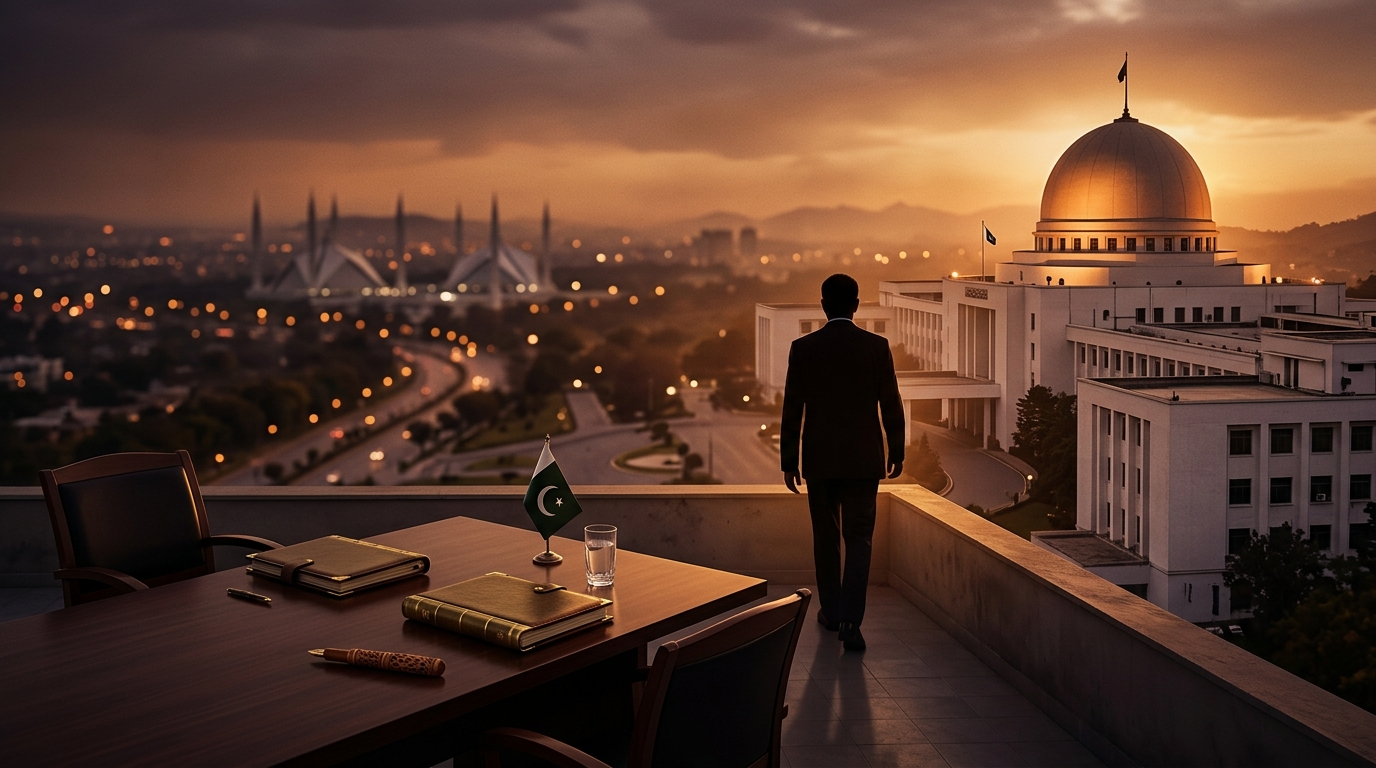
<h2>Pakistan’s Diplomatic Push to Revive US‑Iran Talks</h2>
<p>In a bid to restart stalled <span class="key-term" data-definition="high‑level contacts — Direct discussions between senior officials or diplomats to address critical issues; GS2: Polity">high-level contacts</span> between the <span class="key-term" data-definition="United States (U.S.) — Global superpower whose diplomatic engagement with Iran impacts regional security; GS3: International Relations">U.S.</span> and <span class="key-term" data-definition="Iran — Middle‑Eastern country involved in nuclear negotiations with the United States; central to GS3: International Relations">Iran</span>, <span class="key-term" data-definition="Pakistan — South Asian nation playing a diplomatic role in facilitating US‑Iran talks; relevant to GS2: Polity and GS3: International Relations">Pakistan</span> is reportedly arranging a second round of talks in its capital. The move comes as the two‑week <span class="key-term" data-definition="Ceasefire — A temporary suspension of hostilities agreed by conflicting parties, often used to create a conducive environment for negotiations; GS3: International Relations">ceasefire</span> set to end on <strong>April 21, 2026</strong> approaches.</p>
<h3>Key Developments</h3>
<ul>
<li>Pakistan is conducting <span class="key-term" data-definition="high‑level contacts — Direct discussions between senior officials or diplomats to address critical issues; GS2: Polity">high-level contacts</span> to bring the warring parties back to the negotiating table.</li>
<li>A second round of talks may be convened in <span class="key-term" data-definition="Islamabad — Capital city of Pakistan, frequently used as a venue for diplomatic talks; GS2: Polity">Islamabad</span> by next week, according to a media report dated <strong>April 14, 2026</strong>.</li>
<li>The talks are expected to occur before the <span class="key-term" data-definition="Ceasefire — A temporary suspension of hostilities agreed by conflicting parties, often used to create a conducive environment for negotiations; GS3: International Relations">ceasefire</span> concludes on <strong>April 21, 2026</strong>, providing a narrow window for diplomatic progress.</li>
</ul>
<h3>Important Facts</h3>
<p>The information is sourced from <em>The Express Tribune</em>, which cited “highly placed sources” familiar with the diplomatic track. No official statements from the governments of the <span class="key-term" data-definition="United States (U.S.) — Global superpower whose diplomatic engagement with Iran impacts regional security; GS3: International Relations">U.S.</span> or <span class="key-term" data-definition="Iran — Middle‑Eastern country involved in nuclear negotiations with the United States; central to GS3: International Relations">Iran</span> have been released yet.</p>
<h3>UPSC Relevance</h3>
<p>Understanding Pakistan’s role underscores the importance of <strong>regional diplomacy</strong> (GS2: Polity) and the dynamics of <strong>US‑Iran relations</strong> (GS3: International Relations). The episode illustrates how a third‑party state can act as a mediator, a concept frequently examined in questions on conflict resolution and foreign policy. Moreover, the timing of the talks vis‑à‑vis a <span class="key-term" data-definition="Ceasefire — A temporary suspension of hostilities agreed by conflicting parties, often used to create a conducive environment for negotiations; GS3: International Relations">ceasefire</span> highlights the strategic use of temporary peace periods to facilitate dialogue, a pattern observed in various international negotiations.</p>
<h3>Way Forward</h3>
<p>Analysts suggest that if the second round of talks proceeds as planned, Pakistan could cement its reputation as a constructive mediator in South Asian and broader Middle‑Eastern geopolitics. Successful revival of the talks may lead to a formal framework for renewed negotiations, potentially easing tensions in the region. Aspirants should monitor official communiqués post‑<strong>April 21, 2026</strong> for any breakthroughs or setbacks, as these will shape future policy directions and diplomatic strategies.</p>