Key Insight
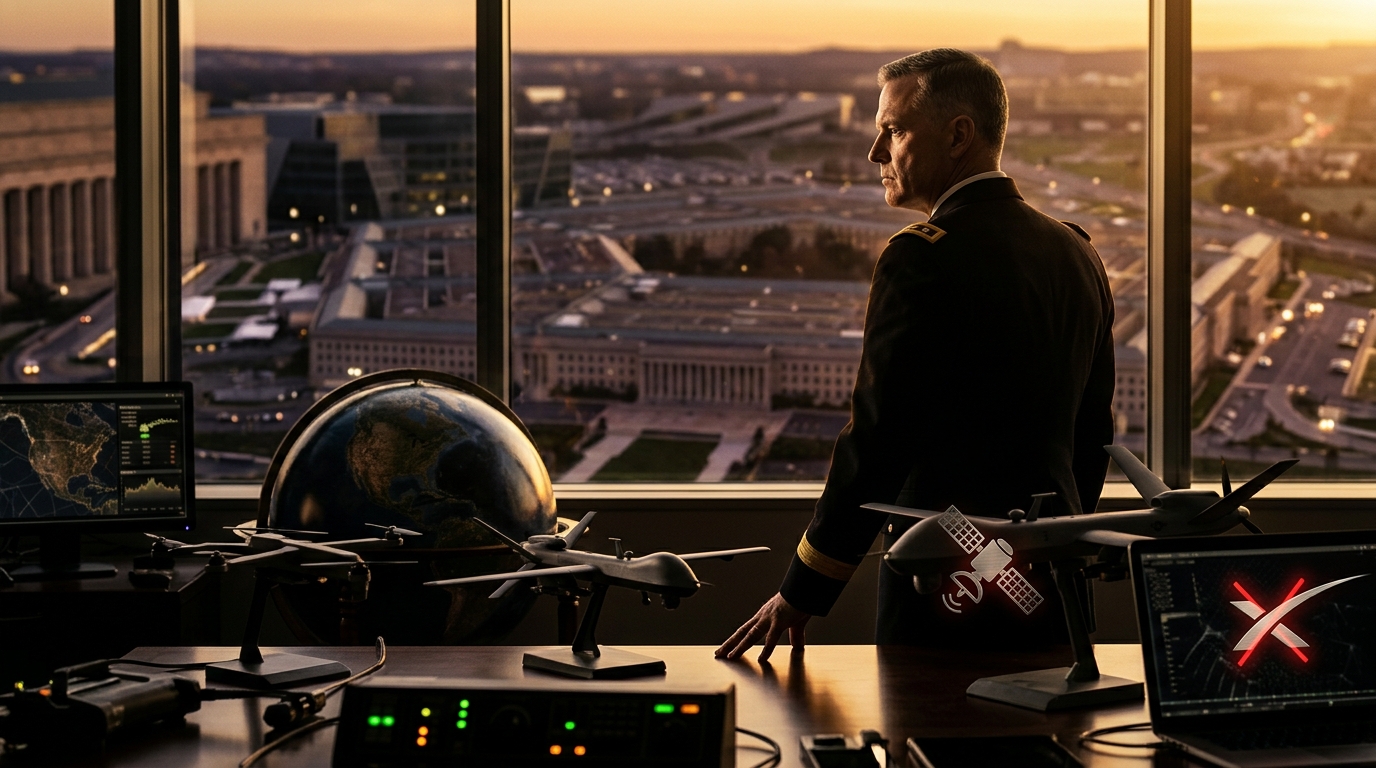
Starlink outage exposes Pentagon’s single‑point‑of‑failure in defence communications.
Key Facts
- In August 2025, a global outage of SpaceX's Starlink network disrupted US Navy unmanned surface vessel (USV) tests off the California coast.
- Approximately 24 autonomous boats lost connectivity for nearly one hour, halting operations.
- The USVs were part of trials to expand US military options in a potential maritime conflict with China.
- The incident exposed Starlink as a single point of failure for critical defence communications.
- Pentagon’s growing reliance on SpaceX’s commercial satellite constellation raises concerns over strategic autonomy and redundancy.
- No indigenous US military satellite communication system currently matches Starlink’s low‑latency, global coverage, prompting policy debates on domestic alternatives.
- Similar Starlink‑related disruptions have been recorded in other Navy tests, as per internal documents reviewed by Reuters.
Background
The US defence establishment’s dependence on commercial satellite constellations reflects a broader trend of outsourcing strategic capabilities to private firms. In the backdrop of the US‑China maritime contest, such reliance creates vulnerabilities that can affect operational readiness and national security, prompting calls for indigenous, resilient communication infrastructure.
Mains Angle
GS2 – Security and International Relations: Discuss the implications of reliance on commercial satellite networks for defence communications and the need for strategic autonomy, especially in the context of US‑China rivalry.