Overview
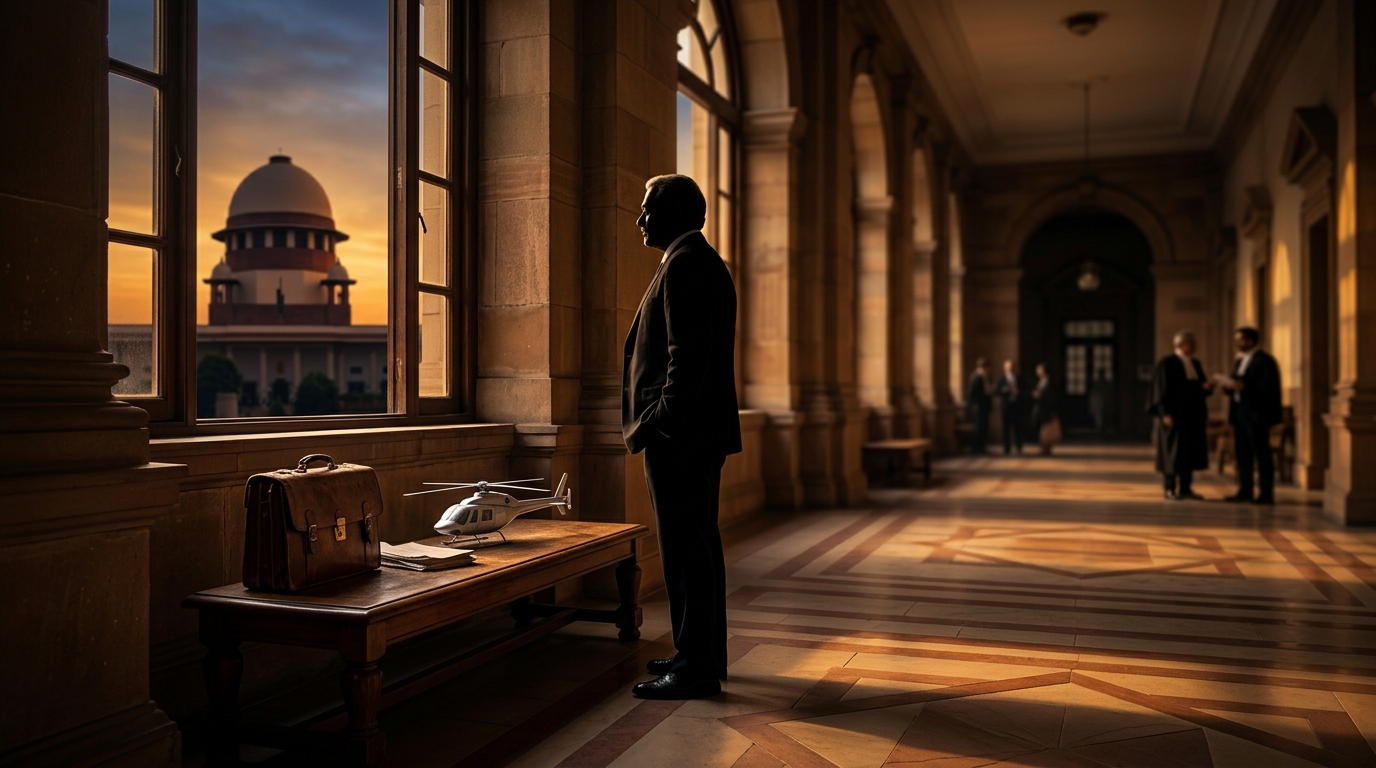
The Supreme Court on 24 April 2026 referred the bail plea of alleged middleman Christian Michel James to another bench. The plea is part of the ongoing AgustaWestland VVIP chopper scam, one of the largest defence procurement scandals in recent history.
Key Developments
- The Delhi High Court on 8 April 2026 dismissed James’ petition, finding no merit.
- James, a British national, was extradited from Dubai in December 2018 and has been in custody since.
- The Supreme Court’s order to refer the matter to a different bench keeps the litigation alive and may lead to a fresh hearing on his bail.
Important Facts
The scam involves the purchase of four VVIP helicopters from Italy’s AgustaWestland at an inflated price of about ₹3,600 crore. Investigations have implicated senior officials, defence contractors, and intermediaries, including James, who allegedly acted as a middleman receiving kickbacks.
Exam Relevance
The case illustrates several themes relevant to the UPSC syllabus: (i) the role of the Supreme Court and high courts in safeguarding constitutional governance; (ii) mechanisms of extradition and international cooperation in combating corruption; (iii) defence procurement procedures, public‑private partnerships, and the risks of corruption in large‑scale contracts (GS3: Economy); and (iv) the importance of judicial oversight in high‑profile corruption cases.
Way Forward
Legal experts suggest that the Supreme Court may either grant bail with strict conditions or uphold the High Court’s dismissal. A thorough examination of the evidence against James could set a precedent for handling foreign intermediaries in corruption probes. For policymakers, the episode underscores the need for stricter vetting, transparent bidding, and robust anti‑kickback mechanisms in defence acquisitions.